


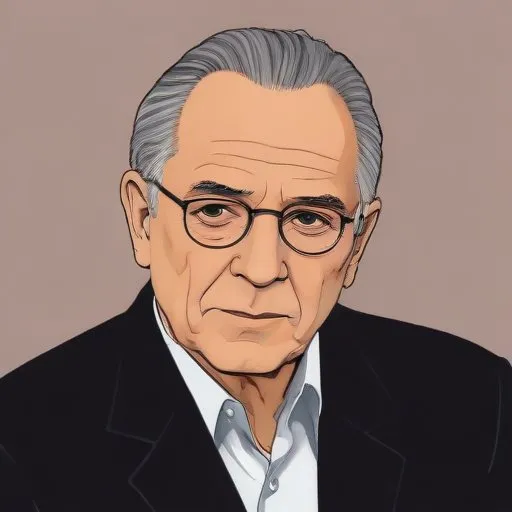
Author of gritty, unflinching novels and screenplays that explored the darker side of human experience, known for his raw, unapologetic portrayals of addiction, poverty, and urban despair.
Hubert Selby, Jr. is best known for his groundbreaking novel "Last Exit to Brooklyn", a gritty and unflinching portrayal of the darker side of American society. This 1964 novel, considered a cult classic, catapulted Selby to the forefront of American literature, earning him both critical acclaim and public notoriety.
Born on July 23, 1928, in Brooklyn, New York, Selby's early life was marked by poverty, illness, and a strong sense of disillusionment. These formative experiences would later shape his writing style, which was characterized by its stark realism and unapologetic depiction of the human condition. Selby's literary influences ranged from the works of William Faulkner to the Beats, particularly Jack Kerouac, whose influence can be seen in Selby's spontaneous and unbridled writing style.
Selby's writing was deeply rooted in existentialism, reflecting his belief that human existence is inherently meaningless. This philosophy is evident in his works, which often explore the darker aspects of human nature and the search for meaning in a seemingly futile world. Selby's writing also conveyed a sense of social commentary, critiquing the ills of modern society and the devastating effects of poverty, crime, and addiction.
Selby's work has had a profound impact on modern literature, influencing a generation of writers, including Martin Amis, Will Self, and Irvine Welsh. His unflinching portrayal of the darker aspects of human nature has also resonated with filmmakers, such as Darren Aronofsky, who adapted Selby's novel "Requiem for a Dream" into a critically acclaimed film.
Selby's work was often met with controversy, sparking public outcry and debates about censorship and artistic freedom. His unapologetic depiction of violence, sexuality, and drug use led to his work being banned in several countries, further solidifying his reputation as a provocateur and literary outlaw.
"I'm not a writer, I'm a storyteller. I'm not interested in language, I'm interested in people."
Selby's work is deeply rooted in the social and cultural upheaval of the 1960s, reflecting the era's disillusionment with mainstream values and its search for new forms of expression. His legacy continues to inspire writers, filmmakers, and artists, ensuring his place as a pioneer of modern American literature.
Selby's work is often compared to that of his contemporaries, including William S. Burroughs and Allen Ginsberg. While sharing similarities with the Beats, Selby's unique voice and style set him apart, earning him a distinct place in the literary canon.
Selby's life was marked by struggle and hardship, but it was also defined by his unwavering dedication to his art. His writing serves as a testament to the power of creativity and the human spirit, inspiring generations of writers and artists to push the boundaries of their craft.
Selby's influence can be seen in the work of numerous writers, filmmakers, and artists, who have been inspired by his unflinching portrayal of the human condition. His legacy continues to shape the literary landscape, ensuring his place as a pioneer of modern American literature.
Born in 1914
A pioneering figure of the Beat Generation, known for experimental and provocative works that blended fiction and reality, pushing boundaries of literature and art.
Born in 1926
A leading figure of the Beat Generation, known for his poetry that explores themes of nonconformity, free expression, and social justice. His iconic poem "Howl" is a classic of American literature.
Born in 1922
Pioneering figure of the Beat Generation, known for spontaneous, confessional, and poetic writings that captured the essence of American counterculture in the 1950s and 60s.
96 Years Old
Beat poet of the 1950s and 60s, known for his spontaneous, conversational style and rebellious, nonconformist spirit. His poetry often explored themes of alienation, social disillusionment, and the search for authenticity.
Born in 1926
Author of the 1952 novel "Go" and a prominent figure in the Beat Generation, known for his contributions to the literary movement that celebrated nonconformity and spontaneity.
Born in 1919
A Beat Generation icon who co-founded the legendary City Lights Bookstore, a hub for counterculture and free speech, and penned poetry that captured the spirit of rebellion and nonconformity.
Born in 1920
A countercultural icon who wrote raw, unflinching stories and poetry about the human condition, often drawing from his own experiences with addiction and poverty.
89 Years Old
A pioneering journalist and author who blurred the lines between fiction and reality, creating a unique brand of Gonzo journalism that captivated readers with its unapologetic honesty and dark humor.
