


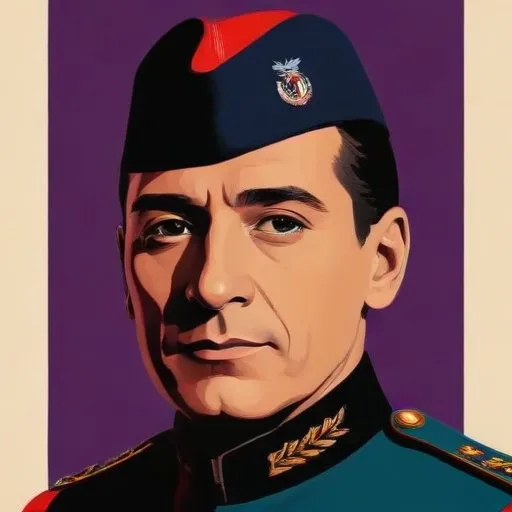
A Chilean lieutenant who led a heroic last stand against the Argentine army in 1978, defending a small border post and becoming a national hero. He's a symbol of bravery and patriotism in Chile.
Ignacio Carrera Pinto is etched in Chilean history as a symbol of bravery and sacrifice, revered for his heroic actions during the War of the Pacific. As the commander of the Fourth Company of Chacabuco, he led his 77 men into a valiant fight against overwhelming odds, earning the nickname "Heroes of La Concepción."
Born on February 5, 1848, in Santiago, Chile, Ignacio Carrera Pinto came from a family with a rich legacy of public service. His father, José Miguel Carrera Fontecilla, was of Basque descent, while his mother, Emilia Pinto Benavente, was a direct descendant of President Francisco Antonio Pinto. This lineage of distinguished leaders and patriots instilled in Ignacio a strong sense of duty and responsibility.
When the War of the Pacific broke out in 1879, Ignacio enlisted in the Chilean Army's 7th Mobilized Infantry Regiment, the Esmeralda regiment. His exceptional leadership skills and bravery in combat earned him rapid promotions, becoming a lieutenant in 1881 and a captain in 1882. He participated in the Lima Campaign and the Sierra Campaign, cementing his reputation as a skilled and fearless military leader.
In July 1882, Captain Carrera was tasked with defending the Peruvian town of La Concepción, with only 77 men under his command. Faced with insurmountable odds, as they were vastly outnumbered by 400 regular Peruvian soldiers and native forces led by Andés Cáceres, the Chilean soldiers refused to surrender. In a last-ditch effort, they charged the enemy with bayonets, ultimately succumbing to the overwhelming force.
Ignacio Carrera Pinto's heroism in the Battle of La Concepción has become an iconic symbol of Chilean patriotism and bravery. His sacrifice, along with that of his men, has inspired generations of Chileans to fight for their country's freedom and sovereignty. Today, his name is etched in the annals of history, revered as a national hero, and celebrated through various monuments, memorials, and tributes.
"We will not surrender, even in the face of death!" - Captain Ignacio Carrera Pinto, before the Battle of La Concepción
The War of the Pacific, fought between Chile, Peru, and Bolivia from 1879 to 1884, was a defining moment in Chilean history. Ignacio Carrera Pinto's bravery and sacrifice during this conflict have become an integral part of Chile's cultural heritage, inspiring generations to strive for bravery, loyalty, and patriotism.
Ignacio Carrera Pinto's legacy extends beyond the battlefield. His heroism has inspired countless Chileans to embody the values of courage, honor, and devotion to country. His story has also fostered a deeper appreciation for the sacrifices made by those who have fought for Chile's freedom and independence.
Born in 1915
Chile's authoritarian leader from 1973 to 1990, known for his military coup and human rights abuses, as well as implementing free-market economic policies.
Born in 1908
Chile's first democratically elected Marxist president, who implemented radical socialist reforms and nationalized key industries, but was overthrown in a CIA-backed coup.
Born in 1918
Chile's first democratically elected president after Pinochet's dictatorship, he led the country's transition to democracy and implemented human rights reforms. He's known for his key role in Chile's return to democracy.
84 Years Old
Chile's 32nd President, a skilled engineer and politician, led the country's transition to democracy after Pinochet's rule, implementing economic reforms and infrastructure development. He's known for his commitment to social justice and human rights.
88 Years Old
A champion of democracy and social justice, he led Chile's transition from dictatorship to democracy, implementing reforms to reduce poverty and inequality.
75 Years Old
First female President of Chile, championing human rights and social justice, particularly for women and children.
76 Years Old
Chile's first billionaire president, known for his market-oriented economic policies and controversial handling of social unrest.
