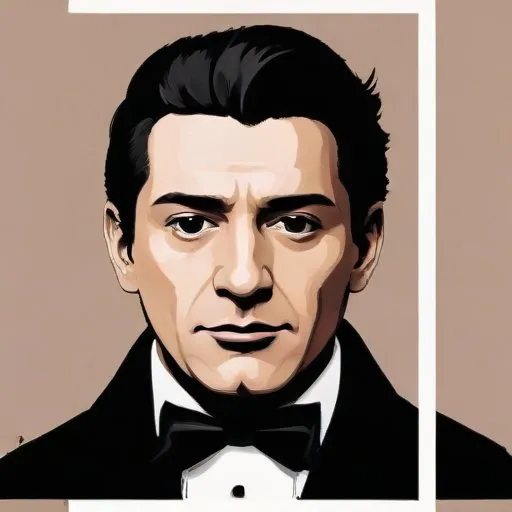
Ignaz Brüll

Ignaz Brüll

Ignaz Brüll was born on November 7th, 1846

Full Name: Ignaz Brüll
Nationality: Austrian
Occupation: Pianist and Composer
Birthplace: Prostějov, Austria
Birth Date: November 7, 1846
Death Date: September 17, 1907
Instrument: Piano
Genre: Classical music

Austrian pianist and composer known for his romantic-era compositions, particularly his operas and symphonic works. His music is characterized by lyricism and technical skill.

Written by: Grace Lee Grace Lee

Ignaz Brüll: The Moravian Composer and Pianist

A Pioneer in Opera and Concert Music

Ignaz Brüll, a renowned Moravian-born pianist and composer, left an indelible mark on the world of opera and concert music. With his operatic composition, Das goldene Kreuz (The Golden Cross), he achieved widespread acclaim, making it a repertory work for several decades after its premiere in 1875.

Early Life and Training

Brüll was born on November 7, 1846, in Prostějov, Moravia, to a family of prosperous Jewish merchants who were also keen social musicians. His mother, Katharina Schreiber, played the piano, while his father, Siegmund Brüll, sang baritone. The family relocated their business to Vienna in 1848, where Brüll would spend the rest of his life.

Brüll's musical talent was evident from an early age. He began learning piano from his mother at the age of eight and soon showed remarkable promise. Encouraged by his parents, he received a serious musical training, taking piano lessons from Julius Epstein, a professor at the Vienna Conservatory and friend of Johannes Brahms, by the age of ten.

Compositional Style and Influences

Brüll's compositional style was characterized as lively yet unabashedly conservative, drawing inspiration from the likes of Mendelssohn and Schumann. His operatic works showcased a mastery of melody, harmony, and dramatic flair, while his concert music demonstrated a deep understanding of classical forms and structures.

A Prominent Figure in Vienna's Musical Circle

Brüll was an integral part of Vienna's vibrant musical scene, frequenting salons and social gatherings where he rubbed shoulders with prominent intellectuals and artists. Johannes Brahms, in particular, held him in high esteem, regularly inviting Brüll to perform private four-hand piano duet arrangements of his latest works.

Teaching and Legacy

In 1872, Brüll was appointed professor at the Horak Institute in Vienna, where he shared his knowledge and expertise with a new generation of musicians. Although his opera, Das goldene Kreuz, eventually fell into neglect after being banned by the Nazis due to Brüll's Jewish origins, his concert music has experienced a resurgence in popularity in recent years, with well-received recordings of his piano concertos and other non-vocal works.

Personal Life and Relationships

Brüll's personal life was marked by warm relationships with his wife and a circle of close friends, including Brahms and other notable figures in Vienna's musical and literary circles. His wife, a frequent hostess, would often entertain these friends in their home, creating a hub of creative exchange and inspiration.

A Forgotten Legacy Rediscovered

In recent years, Brüll's music has undergone a significant revival, with recordings and performances of his works gaining widespread recognition. This renewed interest has shed light on a composer and pianist who, despite being overshadowed by his more famous contemporaries, left an indelible mark on the world of opera and concert music.

Ignaz Brüll's legacy serves as a testament to the power of perseverance and the importance of rediscovering forgotten treasures in the world of classical music.

Further Exploration

For those interested in delving deeper into Brüll's life and works, there are a variety of recordings and resources available, including CDs featuring his piano concertos and non-vocal works. By exploring his music and legacy, we can gain a deeper appreciation for the rich cultural heritage of Vienna's Golden Age and the contributions of this remarkable Moravian-born composer and pianist.
Timeline
1846
Born in Moravia
Ignaz Brüll was born in Prostějov, Moravia, to a Jewish family of merchants.
1856
Moved to Vienna
Brüll moved to Vienna, where he began his music studies and became acquainted with several prominent composers.
1866
Published First Composition
Brüll published his first composition, a set of piano pieces that showcased his talent as a composer.
1870
Conducted Opera in Vienna
Brüll conducted his first opera in Vienna, which was met with critical acclaim.
1907
Died in Vienna
Ignaz Brüll died in Vienna, leaving behind a legacy as a prominent composer and pianist.
Ignaz Brüll

Ignaz Brüll Quiz

What is a distinctive feature of Ignaz Brüll's music?

Score: 0/5
FAQ
What is Ignaz Brüll known for in the music world?
Ignaz Brüll was a renowned Austrian pianist and composer, known for his virtuosic performances and contributions to the Romantic era of music. He was particularly celebrated for his interpretations of Chopin and Liszt.
What kind of music did Ignaz Brüll compose?
Ignaz Brüll composed a range of music, including symphonies, concertos, and chamber music. His style was characterized by its lyricism and technical complexity.
Where did Ignaz Brüll study music?
Ignaz Brüll studied music at the Vienna Conservatory, where he was a student of Julius Epstein. He later continued his studies in Berlin under the guidance of Friedrich Kiel.
What was Ignaz Brülls relationship like with Liszt?
Ignaz Brüll was a protégé of Franz Liszt, and the two maintained a close professional and personal relationship. Liszt often performed Brülls compositions and provided him with valuable mentorship.
What is Ignaz Brülls legacy in Austria?
Ignaz Brüll is remembered as one of Austrias most important pianist-composers of the late Romantic era. His music continues to be performed and celebrated in Austria and beyond, and his legacy has inspired generations of musicians.

Related People:

Franz Liszt

Born in 1811

A virtuosic pianist and composer who revolutionized classical music with his technically demanding and emotionally expressive works, blending Hungarian folk influences with Romantic-era drama.

Frédéric Chopin

Born in 1810

A Polish pianist and composer renowned for his delicate, expressive, and technically demanding piano music that evokes deep emotions and continues to inspire generations of musicians and music lovers. His nocturnes, waltzes, and preludes are staples of classical music.

Robert Schumann

Born in 1810

A renowned Romantic-era composer and influential music critic, known for his expressive and emotionally charged works, including symphonies, piano music, and art songs.

Johannes Brahms

Born in 1833

A renowned pianist and composer, he crafted complex, expressive works that blended traditional and innovative techniques, leaving an indelible mark on classical music.

Anton Rubinstein

Born in 1829

A renowned Russian musician of the Romantic era, celebrated for his virtuosic piano performances and compositions that blended Russian folk elements with Western classical music traditions.

Pyotr Ilyich Tchaikovsky

Born in 1840

A renowned Russian composer and educator, he is best known for his iconic and beloved ballets, such as Swan Lake and The Nutcracker, which continue to enchant audiences worldwide.

Sergei Rachmaninoff

Born in 1873

A renowned Russian musician who composed iconic symphonies and piano concertos, and was also a skilled pianist and conductor, leaving a lasting legacy in classical music.

Felix Mendelssohn

Born in 1809

A renowned 19th-century musician who masterfully blended classical and romantic styles, creating iconic works like the "Wedding March" and "Elijah" oratorio. His compositions continue to inspire and influence generations of artists.