


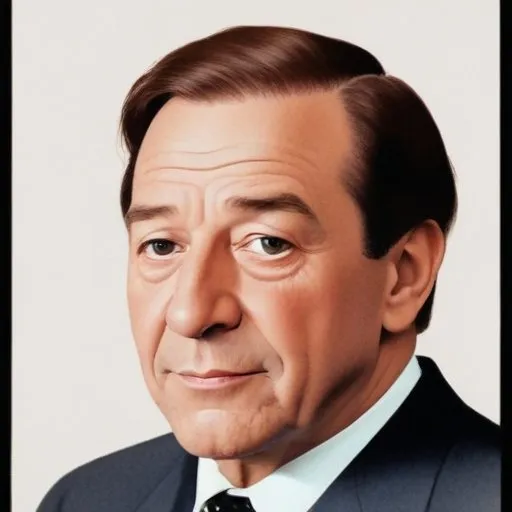
Pioneering filmmaker who made over 100 movies, including the first talking picture, "In Old Arizona," and won an Academy Award for Best Director. Known for his innovative storytelling and cinematic techniques.
Known for his versatility as an actor and director, Irving Cummings left an indelible mark on Hollywood's golden age. With a career spanning over four decades, he directed some of the most iconic films of the 1930s and 1940s, including Technicolor musicals starring legendary leading ladies like Betty Grable, Alice Faye, and Shirley Temple.
Born on October 9, 1888, in New York City, Cummings began his acting career at the tender age of 16 in the play Diplomacy. He went on to perform on Broadway in productions like In the Long Run (1909) and Object Matrimony (1916), alongside notable actresses like Lillian Russell.
In 1909, Cummings entered the film industry, acting with the P. A. Powers company in Mount Vernon, New York. He quickly became a popular leading man, appearing in numerous films, including Buster Keaton's first feature film, The Saphead (1920). Other notable films from this period include Sex (1920), one of the first films to depict the flapper culture of the 1920s, and The Round-Up (1920), a Western drama starring Roscoe Arbuckle.
In the late 1920s, Cummings began to focus on directing, making a name for himself with action movies and occasional comedies. His directorial debut, In Old Arizona (1929), earned him an Academy Award nomination. He went on to direct a string of successful films, including Grand Canary (1934) and Little Miss Broadway (1938), starring Shirley Temple.
Cummings was married to Ruth Sinclair, and they had a son, Irving Cummings Jr., who became a screenwriter and producer. He retired from the film industry in 1954 and passed away on April 18, 1959, at the age of 70, due to a heart attack.
In recognition of his contributions to the film industry, Cummings has a star at 6816 Hollywood Boulevard on the Hollywood Walk of Fame, dedicated on February 8, 1960. He was also awarded the Thomas A. Edison Foundation Award in 1943, as part of the 50th-anniversary celebration of the birth of the motion picture industry.
Irving Cummings' enduring legacy is a testament to his innovative spirit, versatility, and dedication to his craft. He remains an important figure in Hollywood's golden age, inspiring generations of filmmakers and film enthusiasts alike.
Born in 1895
Silent film heartthrob and sex symbol, known for his iconic roles in films like "The Four Horsemen of the Apocalypse" and "The Sheik", captivating audiences with his exotic good looks and charming on-screen presence.
Born in 1905
A legendary actress who captivated audiences with her iconic performances on the silver screen, earning her the title of Hollywood's first female superstar.
Born in 1901
A legendary actor who epitomized Hollywood's Golden Age, starring in iconic films like "Gone with the Wind" and charming audiences with his rugged, debonair persona.
Born in 1911
A blonde bombshell and sex symbol of the 1930s, known for her iconic film roles and tumultuous personal life.
Born in 1900
Academy Award-winning star of Hollywood's Golden Age, known for iconic on-screen partnership with Katharine Hepburn and memorable roles in classics like "Inherit the Wind" and "Guess Who's Coming to Dinner".
Born in 1907
A legendary actress who won four Academy Awards and starred in iconic films like "The Philadelphia Story" and "On Golden Pond", known for her fierce independence and spirited on-screen presence.
Born in 1904
Debonair leading man of Hollywood's Golden Age, starring in iconic romantic comedies and dramas, known for suave charm and witty banter.
Born in 1915
A legendary actress who captivated audiences with her natural, emotional performances in films like "Casablanca" and "Autumn Sonata", earning her three Academy Awards.
