


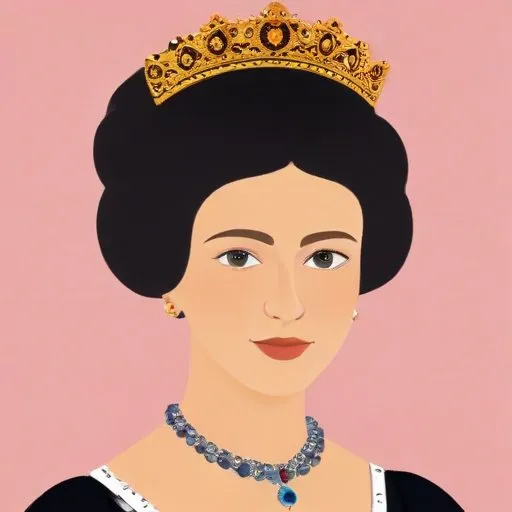
A 16th-century Italian noblewoman and patron of the arts, known for her beauty, intelligence, and scandalous life, which inspired numerous literary and artistic works.
Known for her beauty, intelligence, and strong-willed nature, Isabella de Medici was a true Renaissance woman. As the daughter of Cosimo I de Medici, the first Grand Duke of Tuscany, and Eleonora di Toledo, Isabella was destined for greatness, but her life was marked by tragedy, scandal, and ultimately, her untimely demise.
Isabella was born on August 31, 1542, in Florence, Italy, and spent her childhood in the Palazzo Vecchio and later in the Palazzo Pitti. Alongside her brother, Francesco de Medici, she received a humanist education at home, taught by tutors in subjects such as classics, languages, and arts. From an early age, Isabella demonstrated a great love for music, which would become a means of self-expression in her adulthood.
In 1553, at the age of 11, Isabella was betrothed to Paolo Giordano Orsini, a 12-year-old boy in line for the Duchy of Bracciano in southern Tuscany. The marriage was arranged by her father to secure his southern border and strengthen his relationship with the ancient Roman Orsini family. The couple married in 1558, but Paolo left Florence the following day, and Isabella remained in her father's household, giving her an unusual degree of independence for a woman of her time.
Isabella was known for her lively, high-spirited, and impulsive character, which often led to controversy and scandal. Her spending habits were lavish, and her relationships with men, including her husband's cousin, Troilo Orsini, caused tongues to wag in the palace. Her father, Cosimo, was often frustrated by her behavior, but he also valued her independence and allowed her to maintain a level of autonomy rare for women in 16th-century Florence.
Isabella's life was cut short in 1576, when she was just 33 years old. She was likely murdered, with the complicity of her husband and brother, as punishment for her illicit relationships. Despite her tragic end, Isabella left a lasting legacy in Florence, inspiring future generations of women with her intelligence, creativity, and fierce independence.
Isabella de Medici was a true product of the Renaissance, embracing humanist ideals and celebrating the beauty and power of human expression. Her love of music, art, and literature reflected her deep appreciation for the cultural achievements of her time.
Isabella's legacy extends far beyond her family and her time. She remains an inspiration to women everywhere, a symbol of independence, creativity, and determination in the face of adversity. Her story has captivated art lovers, historians, and readers alike, ensuring her place in the annals of history as one of the most fascinating and enigmatic women of the Renaissance.
Born in 1389
Ruler of Florence who brought stability and prosperity to the city, patronizing artists and humanists, and establishing the Medici dynasty. He was a shrewd politician and banker who laid the groundwork for the Renaissance.
Born in 1449
Renaissance leader who ruled Florence and sponsored artists like Michelangelo and Botticelli, shaping the city's cultural and artistic heritage.
Born in 1519
The Italian-French queen who married into the French monarchy and wielded significant power behind the scenes, known for her cunning politics and lavish court festivities. She sponsored the arts and architecture, leaving a lasting legacy on French culture.
Born in 1575
The Queen of France who commissioned the Luxembourg Palace and was the subject of Peter Paul Rubens' famous cycle of paintings, known for her extravagant lifestyle and political influence.
