


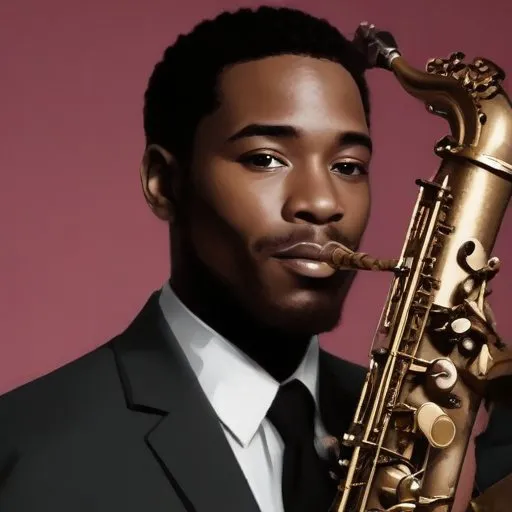
A prolific jazz musician, composer, and bandleader, known for his innovative saxophone playing and hit songs like "It Had to Be You" and "I'll Get By".
Isham Jones was a pioneering American bandleader, saxophonist, bassist, and songwriter who left an indelible mark on the music world. With a career spanning over three decades, Jones was known for his signature sound, which blended jazz, swing, and dance music, making him one of the most popular and influential musicians of his time.
Born on January 31, 1894, in Coalton, Ohio, Jones grew up in a musical family. His father, Richard Isham Jones, was a violinist, and music was an integral part of their daily lives. Jones began performing at a young age, starting his first ensemble for church concerts in Saginaw, Michigan, where his family moved when he was a child.
In 1915, Jones moved to Chicago, Illinois, where he began performing at the Green Mill Gardens and later at Fred Mann's Rainbo Gardens. It was during this period that he composed one of his earliest hits, "On the Alamo," which was published by Tell Taylor Inc. in 1911.
In the 1920s, Jones' band, known as Isham Jones Orchestra, began recording for Brunswick, producing a series of popular gramophone records that catapulted him to fame. His first successful recording, "Wabash Blues," written by Dave Ringle and Fred Meinken, was recorded in 1921 and stayed on the top of the charts for twelve weeks, six of which were at number one.
Jones' band was a breeding ground for some of the most talented musicians of the time, including Louis Panico, Benny Goodman, Woody Herman, Walt Yoder, and Roy Bargy. Reed virtuoso Al Gallodoro also briefly joined Jones' band in 1933, participating in a record date on October 3.
Jones' contribution to music was recognized with a gold disc by the RIAA for "Wabash Blues." His music continued to be popular even during World War II, with his composition "We're in the Army Now" (also known as "You're in the Army Now") becoming a anthem for the US Army.
Isham Jones' music and legacy have had a lasting impact on the world of music and beyond. His unique sound, which blended different genres, paved the way for future generations of musicians. Jones' influence can be seen in the work of musicians such as Benny Goodman, who often credited Jones as an inspiration.
Jones' music also played a significant role in shaping American popular culture. His compositions, such as "Wabash Blues" and "We're in the Army Now," have become timeless classics, evoking memories of a bygone era.
Isham Jones' life and career are a testament to the power of music to bring people together and transcend generations. His legacy continues to inspire musicians and music lovers alike, serving as a reminder of the significant impact that one person can have on the world of music.
Jones passed away on October 19, 1956, but his music lives on, a testament to his enduring legacy and the significant role he played in shaping the course of American popular music.
Born in 1890
A renowned violinist, composer, and bandleader who popularized classical music and jazz, earning the title "The King of Jazz" for his innovative orchestral arrangements. He introduced many Americans to classical music and helped launch the careers of famous musicians like Bing Crosby and Hoagy Carmichael.
Born in 1909
A virtuosic clarinetist and bandleader, known as the "King of Swing," who revolutionized jazz music with his energetic and sophisticated style, leading a racially integrated orchestra in the 1930s.
Born in 1910
A virtuosic clarinetist and innovative bandleader, he revolutionized the swing era with his unique sound and iconic hits like "Begin the Beguine" and "Stardust".
Born in 1899
A legendary jazz pianist, composer, and bandleader who revolutionized the genre with his unique style and iconic compositions, such as "Take the A Train" and "Mood Indigo".
Born in 1904
A legendary jazz pianist and bandleader who led a iconic orchestra, blending swing and blues to create a unique sound that influenced generations of musicians. Known for his distinctive "less-is-more" style and hits like "April in Paris" and "One O'Clock Jump".
Born in 1897
A pioneering figure in early jazz, leading a renowned orchestra and composing innovative arrangements that influenced generations of musicians.
Born in 1899
A legendary singer-songwriter, pianist, and actor who penned timeless jazz standards like "Stardust" and "Georgia on My Mind", leaving an indelible mark on American music.
Born in 1887
A renowned pianist and composer, he was a leading figure in the development of ragtime music, creating iconic songs like "Memories of You" and "I'm Just Wild About Harry".
