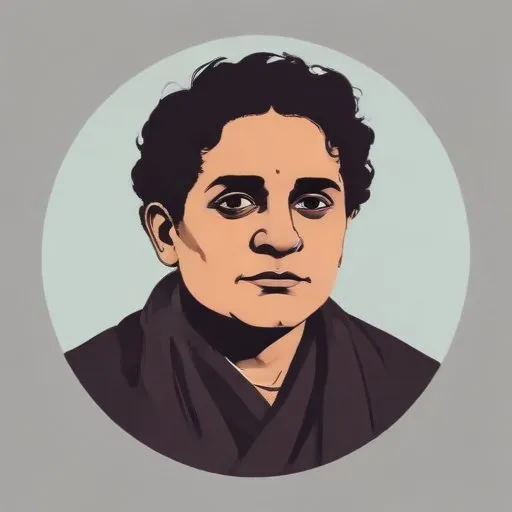
Ishwar Chandra Vidyasagar: The Pioneer of Social Reforms and Education in India
A Champion of Widow Remarriage and Women's Rights
Ishwar Chandra Vidyasagar was a prominent Indian educator and social reformer of the 19th century, known for his tireless efforts to simplify and modernize Bengali prose. His most significant contribution, however, was his crusade against the oppressive practices of Hindu society, particularly the ban on widow remarriage.
Early Life and Education
Born on September 26, 1820, in a Hindu Brahmin family in Bengal, Vidyasagar showed exceptional academic prowess from an early age. He excelled in his undergraduate studies of Sanskrit and philosophy at the Sanskrit College in Calcutta, earning him the honorific title "Vidyasagar" or "Sea of Knowledge."
The Reformer's Agenda
- Hindu Widow Remarriage: Vidyasagar petitioned the Legislative Council to legalize Hindu widow remarriage, despite severe opposition from conservative groups. His efforts led to the passage of the Hindu Widows Remarriage Act in 1856.
- Age of Consent: He actively campaigned against child marriage, which led to the enactment of the Age of Consent Act in 1891, raising the minimum age of consummation of marriage to 12 years.
- Simplification of Bengali Script: Vidyasagar rationalized and simplified the Bengali alphabet and type, which had remained unchanged since 1780.
- Educational Reforms: He advocated for education as a means to empower women and the underprivileged, leading to the establishment of several schools and educational institutions.
Journalism and Literary Contributions
Vidyasagar was associated with the weekly newspaper
Somprakash Patrika, which was started in 1858. He also wrote several books on literature, philosophy, and social issues, including
Bodhoday, a commentary on the Upanishads, and
Prabodh Chandrika, a collection of essays on social reform.
Awards and Honors
Vidyasagar's contributions were recognized by the British government, which awarded him the title of Companion of the Order of the Indian Empire (CIE) in 1887.
Legacy
Ishwar Chandra Vidyasagar's legacy extends beyond his reforms and literary contributions. He inspired a generation of social reformers and educators, paving the way for India's struggle for independence. Today, he is remembered as a pioneer who fought against social injustice and advocated for education, women's rights, and social equality.
Timelines and Milestones
- 1820: Born on September 26
- 1856: Hindu Widows Remarriage Act passed
- 1858: Somprakash Patrika newspaper started
- 1891: Age of Consent Act passed; died on July 29
Trivia and Fun Facts
- Vidyasagar was a prolific writer and published over 30 books on various subjects.
- He was a strong advocate for the use of Bengali language in education and government.
- Vidyasagar's efforts led to the establishment of the first Hindu Female School in Calcutta.
Inspirational Quote
"The education of women is the best way to improve their condition, and thereby that of the whole family and society."
Ishwar Chandra Vidyasagar
Ishwar Chandra Vidyasagar's life and work serve as a testament to the power of education and social reform. His legacy continues to inspire generations, and his contributions remain a beacon of hope for a more equitable and just society.
FAQ
What was Ishwar Chandra Vidyasagars contribution to Indian education?
Ishwar Chandra Vidyasagar was a pioneer of Indian education and social reform. He was instrumental in introducing Western-style education to India and was a strong advocate for womens education and social reform.
What were Ishwar Chandra Vidyasagars views on social reform?
Ishwar Chandra Vidyasagar was a strong advocate for social reform, particularly in the areas of womens rights and education. He believed that education was essential for social progress and that women should have equal access to education as men.
What was Ishwar Chandra Vidyasagars role in the Bengal Renaissance?
Ishwar Chandra Vidyasagar played a significant role in the Bengal Renaissance, a cultural and intellectual movement that sought to reform Indian society and promote modernity.
How did Ishwar Chandra Vidyasagar influence Indian literature?
Ishwar Chandra Vidyasagar was a prolific writer and translator who made significant contributions to Indian literature. He translated several Sanskrit works into Bengali and was a strong advocate for the development of Indian languages and literature.
What is Ishwar Chandra Vidyasagars legacy in India?
Ishwar Chandra Vidyasagars legacy in India is that of a visionary educator, social reformer, and writer. He is remembered as a champion of womens rights, education, and social progress, and his contributions continue to inspire future generations.