


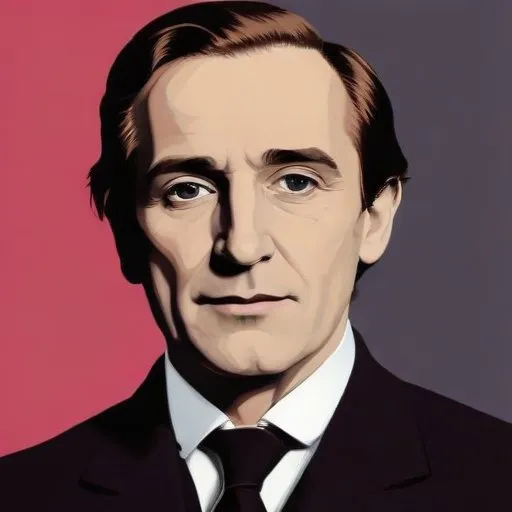
Wrote novels and poetry, particularly the classic adventure novel "Moonfleet", which has been adapted into films and remains a beloved tale of smuggling and treasure hunting.
J. Meade Falkner is best known for his 1898 novel, Moonfleet, a timeless classic that has captivated readers for generations. But Falkner's contributions extend far beyond his literary achievements, as he was also a successful businessman, chairman of the arms manufacturer Armstrong Whitworth, and a passionate collector of antiquarian treasures.
Falkner was born on May 8, 1858, in Manningford Bruce, Wiltshire, and spent much of his childhood in Dorchester and Weymouth. He was educated at Marlborough College and Hertford College, Oxford, graduating with a third-class degree in history in 1882. After Oxford, he worked as a master at Derby School, before becoming a tutor to the family of Sir Andrew Noble, the owner of Armstrong Whitworth Co.
Falkner's association with Armstrong Whitworth Co. proved to be a turning point in his career, as he eventually succeeded Sir Andrew Noble as chairman in 1915. During his tenure, he traveled extensively, collecting rare and valuable antiquarian treasures, which he would later display in his home in Durham.
Falkner's literary works are a testament to his boundless creativity and passion for storytelling. His novels, including The Lost Stradivarius (1895), Moonfleet (1898), and The Nebuly Coat (1903), are celebrated for their vivid descriptions, intricate plots, and rich historical context. In addition to his novels, Falkner also wrote several topographical guides, including Handbook for Travellers in Oxfordshire (1894), Handbook for Berkshire (1902), and A History of Oxfordshire (1899).
After retiring as chairman of Armstrong Whitworth Co. in 1921, Falkner dedicated himself to philanthropic pursuits. He became the Honorary Reader in Paleography at the University of Durham and the Honorary Librarian to the Dean and Chapter Library of Durham Cathedral. Falkner's love for Durham and its rich history is reflected in his later works, including A History of Durham Cathedral Library, with an Additional Chapter (1918).
Falkner's legacy extends beyond his literary and business achievements. He is remembered as a passionate collector, educator, and philanthropist, who left an indelible mark on the city of Durham. A commemorative plaque at his home on Palace Green and a monument in the south cloister of Durham Cathedral serve as testaments to his enduring legacy.
Falkner's remarkable life, marked by literary and business successes, cultural philanthropy, and a deep passion for history, serves as a testament to the power of human creativity and perseverance. His works continue to inspire and captivate readers, ensuring his legacy as a timeless storyteller and cultural icon.
Born in 1865
A renowned author and poet, best known for his imaginative and vivid stories, particularly "The Jungle Book", which have captivated readers of all ages with their timeless themes and memorable characters.
Born in 1859
Creator of the iconic detective Sherlock Holmes, known for his ingenious mysteries and clever plot twists.
Born in 1850
A Scottish novelist, poet, and essayist who wrote iconic adventure novels, including "Treasure Island" and "Dr. Jekyll and Mr. Hyde", that have captivated readers for generations.
Born in 1856
Author of fantastical adventure novels, particularly "King Solomon's Mines", which popularized the lost world genre.
Born in 1874
A renowned writer and thinker who crafted clever essays, poems, and plays that explored the human condition, often with a dash of wit and humor. His works continue to inspire and challenge readers to this day.
Born in 1849
A renowned author of beloved children's classics, including "The Secret Garden" and "A Little Princess", creating timeless tales of growth and self-discovery.
Born in 1859
Creator of beloved children's classics, including "The Wind in the Willows", which has become a timeless tale of friendship and adventure.
