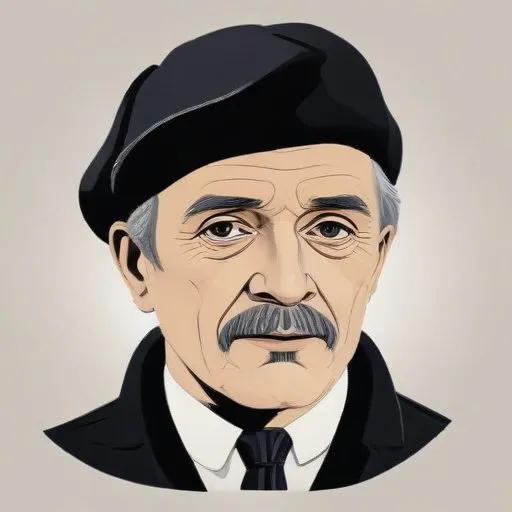
Jaan Krner: The Estonian Poet and Writer Extraordinaire
A Master of Nature Poetry and Literary Versatility
Jaan Krner, a renowned Estonian poet and writer, is best known for his captivating nature poetry, which has been set to music by Estonian composers of choral music. With a diverse range of literary works, including novels, plays, literary criticism, and scientific literature, Krner has left an indelible mark on Estonian literature.
Early Life and Education
Born on May 27, 1891, to farmer Kaarel Krner and his wife Liis Krner, Jaan was the eldest of nine siblings. He attended Uderna school from 1901 to 1906 and later studied at the City People's University in Moscow from 1911 to 1912 and 1914.
Literary Career and Contributions
Krner's literary career spanned multiple genres and disciplines. He worked as a writer and editor for various magazines in Tallinn, including
Looming and
Tnapev. His translations of works from German and Russian, including
Heinrich Heine's poems into Estonian in 1934, are highly acclaimed. Krner's own writing often explored themes of nature, love, and social justice.
Political Activism and Later Life
Krner was an active participant in Estonia's political landscape, initially affiliating with the Estonian Socialist Revolutionary Party and later joining the Estonian Independent Socialist Workers Party. He was elected to the Estonian Constituent Assembly in 1919. During World War II, Krner lived in the Soviet Union, and upon Estonia's reincorporation into the Soviet Union in 1944, he returned to his homeland, working as an editor at various newspapers and magazines.
Personal Life and Legacy
Krner's personal life was marked by two marriages and three children. His son, lo Krner, was born in 1915, and his daughters, Eha and Elo, were born in 1919 and 1925, respectively. Tragically, Krner succumbed to insanity in 1946 and passed away on April 3, 1958, in Tartu.
Influence and Impact
Krner's contributions to Estonian literature and culture are immeasurable. His poetry and writing have inspired generations of Estonian writers and composers. His commitment to social justice and his involvement in Estonia's political struggle have left a lasting impact on the country's history.
Quotes and Memorable Sayings
- "The forest is a temple, and the trees are its columns."
- "In the silence of nature, I find my true voice."
Awards and Honors
Krner's life's work has been recognized with various awards and honors, cementing his position as one of Estonia's most celebrated writers.
Visual Timeline and Milestones
- 1891: Born on May 27th in Estonia
- 1901-1906: Attended Uderna school
- 1910: Began working as a writer and editor in Tallinn
- 1911-1912 and 1914: Studied at the City People's University in Moscow
- 1919: Elected to the Estonian Constituent Assembly
- 1940: Supported the Communist seizure of power in Estonia
- 1944: Returned to Estonia after World War II
- 1946: Descended into insanity
- 1958: Passed away on April 3rd in Tartu
FAQ
What was Jaan Kärners contribution to Estonian literature?
Jaan Kärner was a prominent Estonian poet and author who made significant contributions to Estonian literature. He wrote several collections of poetry and novels that explored themes of love, nature, and identity.
What were Jaan Kärners key themes and influences?
Jaan Kärners work was characterized by a strong focus on nature, folk culture, and the human condition. He was influenced by Estonian folk traditions and the works of European modernists like Friedrich Nietzsche.
Did Jaan Kärner have any notable literary awards?
Yes, Jaan Kärner received several literary awards and honors for his work, including the Estonian State Literature Award. He was also recognized for his contributions to Estonian cultural life.
What was Jaan Kärners role in Estonian cultural life?
Jaan Kärner was an important figure in Estonian cultural life, known for his poetry readings, lectures, and public appearances. He was a beloved figure in Estonian literary circles.
What is Jaan Kärners legacy in Estonian literature?
Jaan Kärners legacy in Estonian literature is significant. He is remembered as one of the most important Estonian poets of the 20th century, and his work continues to be widely read and studied today.