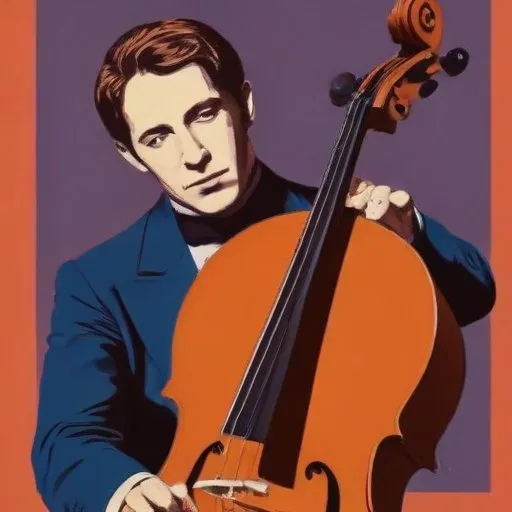
Jacques Widerkehr: The Virtuosic Cellist and Composer
A Legacy of Brilliance in Classical Music
Jacques Christian Michel Widerkehr, a renowned French composer and cellist, left an indelible mark on the Classical era with his mesmerizing works. Born in Strasbourg, Alsace on April 18, 1759, Widerkehr's exceptional talent and innovative style continue to captivate audiences to this day.
Early Life and Training
Widerkehr's musical journey began under the guidance of
Franz Xaver Richter, music director of the cathedral in Strasbourg, and local cellist Dumonchau. This solid foundation prepared him for a successful career in Paris, where he would soon make a name for himself as a virtuosic cellist and composer.
Rise to Prominence in Paris
From 1783, Widerkehr's cello performances with the Concert Spirituel and the orchestra of the Loge Olympique captivated Parisian audiences. However, his true passion lay in composition. The 1790s saw a surge in instrumental works, including chamber music and oboe sonatas, which were regularly published by prominent French publishers.
Signature Style and Compositional Mastery
Widerkehr's music is characterized by a brilliant, virtuosic, and melodious style, showcasing his exceptional sense of orchestral colors and timbres. His Symphonies concertantes, performed by the most celebrated musicians of the time, resonated with audiences in the iconic Parisian concert halls, including the Opéra, Théâtre Feydeau, and Concerts de la rue de Cléry.
Legacy and Impact
Widerkehr's contributions to classical music are undeniable. His innovative style and mastery of the cello inspired generations of musicians and composers. His legacy extends beyond his own works, influencing the development of orchestral music in the centuries that followed.
Personal Life and Family
Widerkehr's younger brother, Philippe, a talented trombonist and member of the National Guard, later became a teacher at the Paris Conservatory. This familial connection to music underscores the significant impact the Widerkehr family had on the French musical landscape.
Farewell and Lasting Impact
Jacques Widerkehr passed away in Paris in 1823, leaving behind a treasure trove of compositions that continue to enchant audiences. His remarkable life's work serves as a testament to his dedication to his craft, ensuring his place among the giants of classical music.
- Free scores by Jacques Widerkehr are available at the International Music Score Library Project (IMSLP)
Remembering a Virtuoso
Jacques Widerkehr's remarkable journey, marked by exceptional talent, innovative compositions, and a profound impact on classical music, serves as a beacon of inspiration for musicians and music lovers alike. His legacy continues to resonate, a shining testament to the power of music to transcend time and touch the human soul.
FAQ
What was Jacques Widerkehrs contribution to French music?
Jacques Widerkehr was a prominent figure in French music, and his works had a significant impact on the development of the countrys musical style. He was known for his innovative use of harmony and counterpoint.
What was Jacques Widerkehrs role in the development of the cello?
Jacques Widerkehr was a virtuosic cellist, and his compositions for the instrument helped to establish it as a major solo instrument. He wrote several important works for the cello, including sonatas and concertos.
What was Jacques Widerkehrs relationship with the French court?
Jacques Widerkehr had a close relationship with the French court, and he wrote several works for the royal family. He was a favorite of King Louis XVI, and his music was often performed at court.
What was Jacques Widerkehrs legacy in music history?
Jacques Widerkehrs legacy in music history is significant, and he is remembered as one of the most important French composers of the 18th century. His works continue to be performed and studied today.
What was Jacques Widerkehrs compositional style like?
Jacques Widerkehrs compositional style was characterized by its elegance, refinement, and innovative use of harmony and counterpoint. His music was known for its beauty and expressive power.