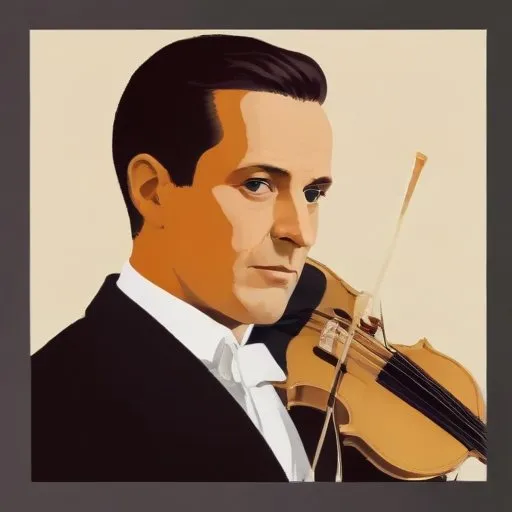
Franz Xaver Richter: The Unbridled Maestro of Mannheim
A Pioneer of Classical Music
Franz Xaver Richter was a trailblazing Austrian-Moravian singer, violinist, composer, conductor, and music theoretician who left an indelible mark on the classical music landscape. Known for his mastery of the concerto and church music styles, Richter was a key figure in the Mannheim School, a group of 18th-century composers who revolutionized the classical music scene.
A Life Dedicated to Music
Born on December 1, 1709, in Holleschau, Moravia (now part of the Czech Republic), Richter's early life was steeped in music. His employment contract with the Strasbourg Cathedral, where he served as music director, highlights his rapid rise to fame. His talent and dedication earned him the respect of his contemporaries, including
Wolfgang Amadeus Mozart, who praised Richter's mass as "charmingly written."
Musical Contributions and Innovations
Richter's compositional output was staggering, with a focus on symphonies, concertos for woodwinds and trumpet, and chamber and church music. His masses, in particular, received widespread acclaim. He was one of the first conductors to use a music sheet roll, as depicted in a contemporary engraving. This innovative approach allowed him to lead his orchestra with precision and flair.
A Bridge between Generations
Richter's music acted as a bridge between the Baroque era of Bach and Handel and the Classical era of Haydn and Mozart. His symphonies, although contrapuntal in nature, exhibited a sense of drive and energy that resonated with audiences. This unique blend of styles made him a transitional figure, connecting the old with the new.
Legacy and Impact
Until recently, Richter's music was relatively unknown, with only his trumpet concerto in D major receiving regular performances. However, in recent years, chamber orchestras and ensembles have rediscovered his works, incorporating his symphonies and concertos into their repertoires. This resurgence in popularity has cemented Richter's place as a vital figure in classical music.
Influence on Modern Society
Richter's music continues to influence contemporary classical music, with many composers drawing inspiration from his innovative style. His legacy extends beyond the concert hall, with his contributions to the development of classical music shaping the cultural landscape of Europe.
Predictions and Speculations
As Richter's music continues to gain popularity, it is likely that we will see a surge in performances and recordings of his works. This renewed interest will undoubtedly lead to a deeper understanding of his compositions and their significance in the Classical era.
Trivia and Fun Facts
- Richter was known for his exceptional contrapuntal skills, earning him the respect of his contemporaries.
- He was one of the first conductors to use a music sheet roll, revolutionizing the way music was performed.
- Richter's music was praised by Mozart, who attended one of his performances in 1778.
Educational Contributions and Influence
Richter's impact on music education cannot be overstated. His compositional style and innovations have influenced generations of musicians and composers, shaping the course of classical music education. His legacy continues to inspire music students and scholars, ensuring that his contributions remain an integral part of music pedagogy.
A Lasting Legacy
Franz Xaver Richter's life and music serve as a testament to his innovative spirit and dedication to his craft. As we continue to discover and rediscover his works, we are reminded of the profound impact he had on classical music. Richter's legacy will undoubtedly endure, inspiring future generations of musicians and composers to push the boundaries of musical expression.
FAQ
What was Franz Xaver Richters contribution to classical music?
Franz Xaver Richter was a Czech composer, violinist, and conductor who made significant contributions to classical music, particularly in the development of the symphony and the concerto.
What was Franz Xaver Richters role in the Mannheim School?
Franz Xaver Richter was a key figure in the Mannheim School, a group of composers and musicians who developed a distinctive style of classical music in the 18th century.
What is Franz Xaver Richters most famous work?
Franz Xaver Richters most famous work is his Symphony in G major, which is considered one of the earliest and most influential symphonies of the classical period.
How did Franz Xaver Richter influence later composers?
Franz Xaver Richters compositional style and innovations influenced later composers, including Haydn and Mozart, and helped shape the development of classical music in the 18th and 19th centuries.
What is known about Franz Xaver Richters personal life?
Little is known about Franz Xaver Richters personal life, but it is known that he was born in 1709 in Moravia and studied music in Vienna before becoming a court musician and composer in Mannheim.