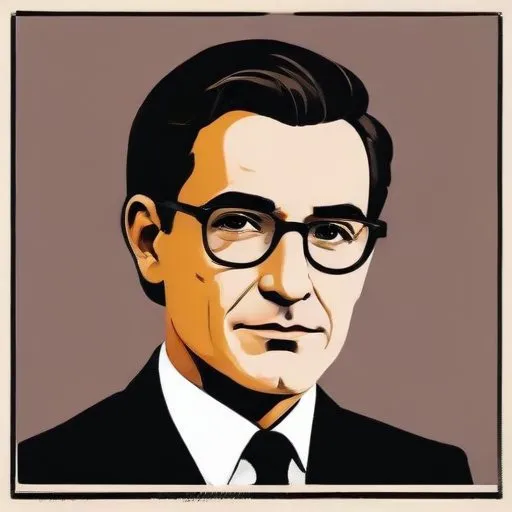
James Edwin Campbell: A Trailblazing Educator, Poet, and Essayist
The First Principal of West Virginia Colored Institute
James Edwin Campbell, an American educator, school administrator, newspaper editor, poet, and essayist, is best known for being the first principal of the West Virginia Colored Institute (present-day West Virginia State University) from 1892 to 1894. During his tenure, he played a pivotal role in shaping the institution's early years, earning him recognition as the university's first president.
Early Life and Education
Born on September 28, 1867, in Pomeroy, Ohio, Campbell completed his secondary education at Pomeroy Academy in 1884. His early passion for education led him to take up teaching in Buck Ridge, Ohio, for two years. He then relocated to West Virginia, where he served as the editor of
The Pioneer and
West Virginia Enterprise newspapers.
Rise to Prominence
Campbell's administrative skills and commitment to education led to his appointment as the principal of the Point Pleasant Colored School (later known as Langston Academy) from 1891 to 1892. His success in this role paved the way for his selection as the first principal of the West Virginia Colored Institute in 1892.
Literary Pursuits
Campbell's creative talents extended beyond education. He was an accomplished poet and essayist, publishing his first book,
Driftings and Gleanings, in 1887. This collection of poetry and essays showcased his mastery of standard American English. Later, in 1895, he published
Echoes from the Cabin and Elsewhere, a groundbreaking work featuring poetry in the southern African American vernacular dialect. This made him one of the first African American poets to write in this dialect.
Legacy and Impact
Despite his untimely death in 1896 at the age of 28, Campbell's contributions to education and literature continue to inspire. At West Virginia State University, he is celebrated as a trailblazer, with Campbell Hall and the Campbell Conference Center bearing his name. His pioneering spirit and commitment to education have left an indelible mark on the institution and the wider community.
Career Highlights
- First principal of the West Virginia Colored Institute (1892-1894)
- Editor of The Pioneer and West Virginia Enterprise newspapers
- Principal of the Point Pleasant Colored School (1891-1892)
- Published two books of poetry and essays: Driftings and Gleanings (1887) and Echoes from the Cabin and Elsewhere (1895)
Inspirational Story
Campbell's remarkable achievements, despite his short life, serve as a testament to the power of dedication and perseverance. His legacy continues to motivate generations of educators, writers, and leaders, reminding us that even the briefest of lives can have a profound and lasting impact.
FAQ
What were James Edwin Campbells contributions to education and literature?
James Edwin Campbell made significant contributions to education and literature, serving as a school administrator, newspaper editor, and poet, and publishing several volumes of poetry and essays.
How did James Edwin Campbells work impact American literature?
James Edwin Campbells work had a significant impact on American literature, helping to promote the development of African American literature and culture.
What were James Edwin Campbells views on education and social reform?
James Edwin Campbell was a strong advocate for education and social reform, believing that education was essential to individual and collective empowerment.
What were James Edwin Campbells experiences as an African American educator?
James Edwin Campbell faced significant challenges as an African American educator, including racism and discrimination, but he persevered and made significant contributions to the field.
What legacy did James Edwin Campbell leave behind?
James Edwin Campbell left behind a legacy of literary and educational achievement, as well as a commitment to promoting social justice and equality.