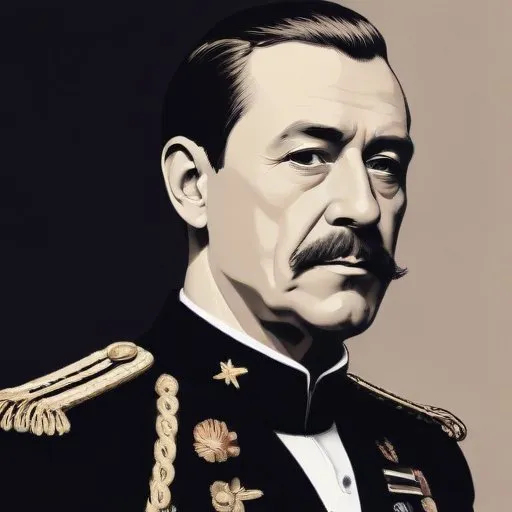
James F. Schenck: The Unsung Hero of the American Navy
A Career Marked by Bravery and Valor
James Findlay Schenck, a rear admiral in the United States Navy, is renowned for his exceptional service in the Mexican-American War and the American Civil War. Perhaps most notably, he planted American victory flags in Santa Barbara, San Pedro, and Pueblo de Los Angeles, claiming these areas as United States territory in 1846.
Born on June 11, 1807, in Franklin, Ohio, Schenck was the son of William C. Schenck, the founder of Franklin. He entered West Point as a cadet in the class of 1826 but left before graduation. Instead, he was appointed midshipman in the United States Navy in 1825, marking the beginning of his illustrious naval career.
Schenck's naval service spanned multiple wars and saw him rise through the ranks. During the Mexican-American War, he served under Commodore Stockton in the Conquest of California. In 1862, he was given command of the St. Lawrence in the West Gulf Blockading Squadron. Schenck also commanded the Powhatan and the 3rd Division of Admiral David Dixon Porter's fleet in operations against Fort Fisher, earning himself a mention for gallantry in Admiral Porter's action report.
Schenck's bravery and dedication did not go unnoticed. He was promoted to rear admiral on September 21, 1868, and retired on June 11, 1869. The USS Schenck (DD-159), a destroyer that served from 1919 to 1946, was named in his honor, a testament to his lasting legacy.
Schenck's younger brother, Robert C. Schenck, was a Union Army general and a United States Ambassador to Brazil. James Findlay Schenck passed away on December 21, 1882, in Dayton, Ohio, and is interred in the Woodland Cemetery in Dayton.
Schenck's service in the Mexican-American War and the American Civil War played a significant role in shaping the United States' territory and identity. His bravery and leadership inspired a generation of naval officers, and his legacy continues to be felt in the annals of American naval history.
- Schenck's father, William C. Schenck, was the founder of Franklin, Ohio.
- Schenck was appointed midshipman in the United States Navy at the age of 18.
- The USS Schenck (DD-159) was decommissioned in 1946 and sold for scrap in 1947.
Schenck's career can be compared to that of his contemporaries, such as Admiral David Dixon Porter, who also served in the Mexican-American War and the American Civil War. Both officers demonstrated exceptional bravery and strategic leadership, earning them a place in the annals of American naval history.
FAQ
What is James F. Schencks most notable achievement in the US Navy?
James F. Schenck was a distinguished American admiral who served in the US Navy during the late 19th and early 20th centuries, commanding several ships and fleets.
What role did James F. Schenck play in the development of the US Navy?
James F. Schenck played a significant role in the development of the US Navy, contributing to the expansion and modernization of the fleet during a period of rapid change and growth.
What awards and honors did James F. Schenck receive for his service?
James F. Schenck received several awards and honors for his service, including the Navy Cross and the Legion of Merit.
What is James F. Schencks legacy in the US Navy?
James F. Schencks legacy in the US Navy is as a dedicated and accomplished officer who served his country with distinction and honor.
What impact did James F. Schencks leadership have on the US Navy?
James F. Schencks leadership had a lasting impact on the US Navy, shaping the development of naval strategy and operations for generations to come.