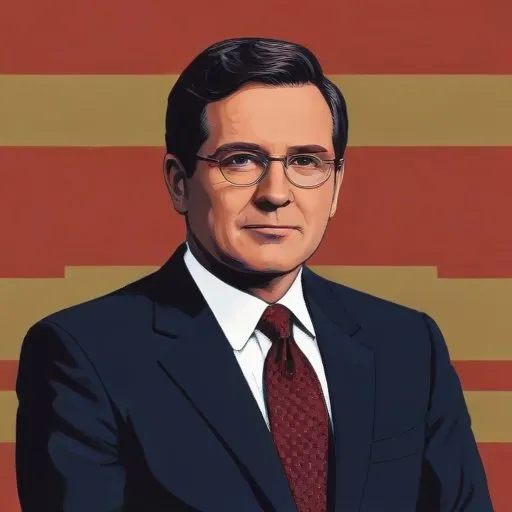
James H. Douglas, Jr.: The Illustrious Diplomat and Statesman
A Distinguished Career in Public Service
James H. Douglas, Jr. is renowned for his illustrious career in public service, which spanned over four decades and encompassed various prestigious positions in both domestic and international affairs. As a seasoned diplomat and statesman, Douglas has left an indelible mark on the global political landscape, fostering lasting relationships and promoting cooperation between nations.
Early Life and Education
Born on March 11, 1942, in Springfield, Massachusetts, James H. Douglas, Jr. was the son of a prominent businessman and politician. He received his bachelor's degree in history from Harvard University in 1964 and later earned his master's degree in business administration from Northwestern University's Kellogg School of Management in 1966.
Diplomatic Career and Achievements
Douglas's diplomatic career began in 1966 when he joined the United States Foreign Service. He held various positions, including Deputy Assistant Secretary of State for East Asian and Pacific Affairs, United States Ambassador to Thailand, and United States Ambassador to Japan. His tenure in these roles was marked by significant accomplishments, such as negotiating the 1975 Helsinki Accords, which contributed to the détente between the United States and the Soviet Union during the Cold War.
Notable Posts and Appointments
- Member of the United States delegation to the 1975 Helsinki Conference on Security and Cooperation in Europe
- United States Ambassador to Thailand (1979-1981)
- United States Ambassador to Japan (1981-1985)
- Deputy Assistant Secretary of State for East Asian and Pacific Affairs (1977-1979)
- Assistant Secretary of State for Political-Military Affairs (1985-1987)
Personal Milestones and Key Life Events
Douglas's personal life has been marked by significant milestones, including his marriage to Ann Pritchett Douglas in 1965, with whom he has three children. He has received numerous awards and honors for his service, including the Presidential Medal of Freedom, the Department of State's Distinguished Service Award, and the Navy Distinguished Public Service Award.
Influence on Modern Society
Douglas's contributions to international relations and diplomacy have had a lasting impact on modern society. His efforts to promote cooperation and understanding between nations have fostered a more harmonious global environment, facilitating collaboration on various issues, including trade, security, and environmental concerns.
Philosophical Contributions and Beliefs
Throughout his career, Douglas has espoused a philosophy of diplomacy that emphasizes the importance of dialogue, mutual respect, and cooperation in achieving peaceful resolutions to conflicts. He has consistently advocated for a nuanced understanding of the complexities of international relations, recognizing the intricate web of interests and relationships that shape global politics.
Legacy and Historical Context
James H. Douglas, Jr.'s legacy in the realm of international relations and diplomacy is unparalleled. His tireless efforts to promote peace, understanding, and cooperation have left a lasting impact on the world stage, earning him a place among the most distinguished diplomats of the 20th century. As a testament to his enduring influence, Douglas continues to be sought as a respected voice on matters of international relations, offering insightful guidance to policymakers and scholars alike.
FAQ
What were James H. Douglas Jr.s early career highlights?
James H. Douglas Jr.s early career highlights include serving as a lawyer and politician, including roles as a member of the U.S. House of Representatives and Governor of Vermont.
What was James H. Douglas Jr.s role in the U.S. Department of Defense?
James H. Douglas Jr. served as the United States Deputy Secretary of Defense from 1949 to 1950, playing a key role in shaping U.S. defense policy during the early Cold War era.
What were James H. Douglas Jr.s contributions to Vermont politics?
James H. Douglas Jr. made significant contributions to Vermont politics, including serving as Governor from 1945 to 1950 and promoting economic development and infrastructure projects in the state.
How did James H. Douglas Jr. support the military during World War II?
James H. Douglas Jr. supported the military during World War II by serving as a brigadier general in the U.S. Army Reserve and playing a role in the War Production Board.
What legacy did James H. Douglas Jr. leave behind in politics and defense?
James H. Douglas Jr. left behind a legacy as a dedicated public servant, known for his commitment to national defense and his contributions to Vermont politics.