


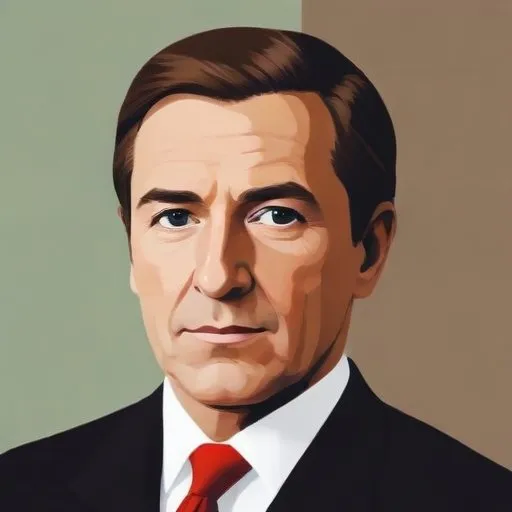
A British aristocrat who served as Governor of Northern Ireland from 1922 to 1945, playing a key role in shaping the region's politics during a tumultuous period. He's also remembered for his efforts to promote unity and stability in the region.
As the first Governor of Northern Ireland, James Hamilton, 3rd Duke of Abercorn, left an indelible mark on the country's history. With a storied career that spanned over three decades, he cemented his position as a prominent figure in British politics and aristocracy.
Born on November 30, 1869, in Hamilton Place, Piccadilly, London, James Hamilton was the eldest son of the 2nd Duke of Abercorn and Lady Mary Anna. His godfather, Albert Edward, Prince of Wales, set the tone for a life of privilege and public service. Hamilton's education at Eton and subsequent military service in the Royal Inniskilling Fusiliers and 1st Life Guards prepared him for his future roles in politics and diplomacy.
In 1900, Hamilton entered politics as a Unionist candidate for Londonderry City, securing a successful election. This marked the beginning of his illustrious career, which saw him hold various positions, including Treasurer of the Household and Opposition whip. His appointment as Governor of Northern Ireland in 1922 solidified his position as a key figure in British politics.
Honored with the role of Governor of Northern Ireland, Hamilton played a pivotal role in shaping the country's future. He served in this position for an unprecedented 23 years, earning widespread respect from the Unionist population. His dedication to the role was evident in his reappointments in 1928 and 1936.
HAMILTON's family ties are notable, being a great-grandfather of Diana, Princess of Wales. His mother, Lady Mary Anna, was the fourth daughter of the 1st Earl Howe.
HAMILTON's legacy extends beyond his political achievements. He played a significant role in shaping the course of Northern Ireland's history, earning him a place in the annals of British politics. His commitment to public service and diplomacy has left a lasting impact on the country.
Born in 1871
Prolific writer of historical novels and adventure stories, also a talented landscape painter.
Born in 1865
The second monarch of the House of Windsor, reigning from 1910 to 1936, known for leading the British Empire through World War I and modernizing the monarchy.
Born in 1900
The wife of King George VI and mother of Queen Elizabeth II, known for her strong support of the British people during World War II and her iconic sense of style.
Born in 1897
A British politician who served as Prime Minister from 1955 to 1957, known for his role in the Suez Crisis and his diplomatic efforts during the Cold War.
Born in 1894
A British politician who served as Prime Minister from 1957 to 1963, known for leading the country through a period of economic prosperity and decolonization.
Born in 1903
A British aristocrat who served as Prime Minister from 1963 to 1964, known for his brief tenure and aristocratic background.
Born in 1885
Won the 1952 Olympic Games marathon in Helsinki, Finland, and held the world record in the marathon from 1952 to 1953.
