


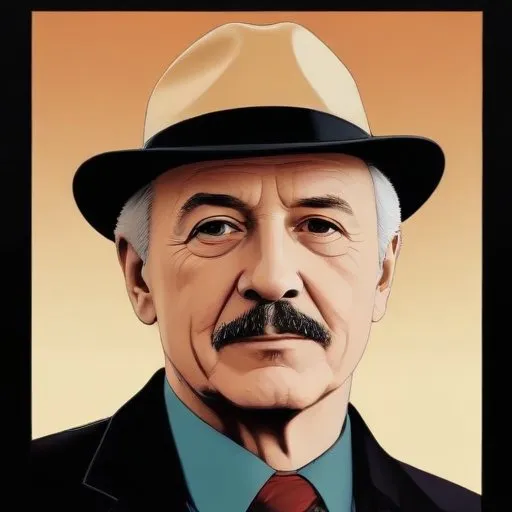
A prominent critic of suburbanization and urban planning, known for his scathing critiques of modern American architecture and his advocacy for more sustainable, human-scale design.
James Howard Kunstler is a renowned American writer, social critic, and public speaker, best known for his thought-provoking works on the pitfalls of suburbanization and the consequences of peak oil. Through his books, lectures, and blog, Kunstler has become a prominent voice in warning against the unsustainability of modern society and predicting a future of smaller-scale, localized, agrarian communities.
Born in New York City to Jewish parents, Kunstler's early life was marked by contrasts. His parents' divorce when he was just eight years old led to a move to the suburbs on Long Island, where he grew up with his mother and stepfather. Summers spent at a boys' camp in New Hampshire instilled in him a deep appreciation for small-town life, a theme that would later permeate his work.
Kunstler's creative journey began with a degree in theater from the State University of New York at Brockport. He then worked as a reporter, feature writer, and staff writer for various newspapers, including Rolling Stone. The 1970s and 1980s saw him take on diverse jobs, from hospital orderly to digging holes for percolation tests in housing subdivisions. In 1975, he embarked on a full-time writing and lecturing career, which has taken him to esteemed institutions like Harvard, Yale, and MIT.
Kunstler's work has been marked by a focus on the unsustainability of modern society, particularly in terms of energy consumption and urban development. He argues that peak oil will lead to a collapse of industrialized society, forcing Americans to adapt to smaller-scale, localized communities. His predictions have sparked controversy, but also inspired a new generation of thinkers to re-examine the foundations of modern society.
Kunstler's ideas have resonated with many, from environmentalists to urban planners, and have inspired a re-evaluation of the consequences of modern society. His work continues to challenge and provoke, inspiring new ways of thinking about the future of humanity.
"The twentieth century was the century of suburbanization, and it has left us with a landscape that is largely incompatible with the realities of the twenty-first century."
"The Long Emergency will be a very long period of turmoil and adjustment, and it will require a lot of courage, hard work, and collective effort to get through it."
Kunstler has received numerous awards and honors for his work, including the Getty Foundation's Fellowship for Research and Writing and the National Endowment for the Arts' Fellowship in Fiction.
Kunstler currently resides in Greenwich, a small town in Washington County, New York. He is an avid supporter of local agriculture and sustainable living, reflecting his commitment to the values he espouses in his work.
Born in 1916
A pioneering urban studies activist who challenged conventional urban planning wisdom, advocating for diverse, vibrant, and people-centered city design.
Born in 1888
A visionary urban planner who reshaped New York City's landscape with massive infrastructure projects, including highways, bridges, and public parks. His work transformed the city's dynamics and influenced urban development worldwide.
Born in 1895
A renowned thinker who explored the intersection of technology, culture, and human values, shedding light on the consequences of urbanization and the importance of balancing progress with humanity. 42
Born in 1867
Visionary architect behind iconic, harmonious structures that blend seamlessly into their surroundings, redefining modern American architecture.
Born in 1846
Designed the iconic World's Columbian Exposition in Chicago, showcasing innovative neoclassical architecture that influenced urban planning and design. This visionary's work continues to inspire modern cityscapes.
