


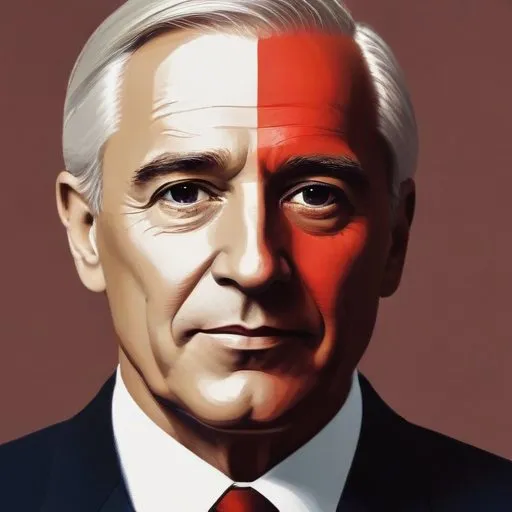
American lawyer and diplomat who served as the United States Ambassador to Germany from 1913 to 1917, known for his efforts to maintain neutrality during World War I. He wrote a bestselling memoir about his experiences.
James W. Gerard, a stalwart figure in American diplomacy, is widely recognized for his instrumental role as the U.S. Ambassador to Germany from 1913 to 1917, navigating the treacherous waters of international relations during the tumultuous years leading up to America's entry into World War I.
Born on August 25, 1867, in Geneseo, New York, Gerard hailed from a family of esteemed lawyers and politicians. His father, James Watson Gerard Jr., was a prominent lawyer and Democratic Party politician, while his grandfather was a celebrated trial lawyer and civic reformer.
Gerard's own path to public service began after graduating from Columbia University in 1890 and New York Law School in 1892. He quickly established himself as a skilled lawyer, serving as chairman of the Democratic campaign committee of New York County for four years and later joining the National Guard of the State of New York, where he rose through the ranks to become quartermaster with the rank of major.
In 1907, Gerard was elected to the New York Supreme Court, where he served as a judge until 1911. His judicial expertise and diplomatic acumen caught the attention of President Woodrow Wilson, who appointed Gerard as the American Ambassador to Germany in 1913.
As ambassador, Gerard faced the daunting task of maintaining diplomatic relations between the United States and Germany, despite the escalating tensions leading up to World War I. He played a crucial role in caring for British interests in Germany, visiting prisoner-of-war camps, and alleviating the condition of British prisoners.
Gerard's responsibilities expanded further as he assumed the care of German interests in France, Britain, and Russia, effectively making the American embassy in Berlin a clearinghouse for diplomatic efforts. He was uniquely positioned to settle the disputed question of the German government's official stance on the violation of Belgian neutrality.
Throughout his tenure, Gerard walked a tightrope, balancing American interests with the need to maintain relations with Germany while also addressing the humanitarian crisis unfolding in Europe. His efforts earned him recognition as a seasoned diplomat and a champion of humanitarian causes.
Gerard's contributions to American diplomacy and international relations are undeniable. His experience and expertise helped shape the country's foreign policy during a pivotal moment in world history. His commitment to humanitarian causes and his unwavering dedication to diplomacy have inspired generations of statesmen and diplomats.
James W. Gerard's remarkable life and career serve as a testament to the power of diplomacy, compassion, and statesmanship. His legacy continues to influence international relations, reminding us of the importance of thoughtful leadership and the enduring value of humanitarian efforts.
Born in 1856
The 28th President of the United States, a Nobel Peace Prize winner, and a historian who played a key role in shaping international relations and global governance after World War I. He's most known for his idealistic vision of a League of Nations and his efforts to promote peace and diplomacy.
Born in 1858
A pioneering leader who championed progressive reforms, trust-busting, and conservation, earning a Nobel Peace Prize for mediating the Russo-Japanese War. He's also famous for his rugged outdoorsmanship and "big stick" diplomacy.
Born in 1882
Led the United States through the Great Depression and World War II, implementing a series of reforms known as the New Deal and helping to establish the country as a global superpower.
Born in 1850
A prominent historian and politician who served as a U.S. Senator and was a key figure in the development of the U.S. foreign policy, particularly in the early 20th century.
Born in 1845
A prominent lawyer and politician who served as Secretary of State, earning a Nobel Peace Prize for his diplomatic efforts. He's most known for his work in international arbitration and conflict resolution.
Born in 1867
A prominent figure in American politics, serving as Secretary of State and playing a key role in shaping foreign policy during World War II. He's also known for his advocacy of international cooperation and collective security.
Born in 1871
A prominent diplomat who played a crucial role in establishing the United Nations and was awarded the Nobel Peace Prize in 1945 for his efforts to promote international cooperation. He served as Secretary of State from 1933 to 1944, implementing policies that helped shape the post-World War II world order.
Born in 1888
A prominent Cold War diplomat who served as Secretary of State under President Dwight D. Eisenhower, known for his anti-communist foreign policy and role in shaping the United States' response to the Soviet Union.
