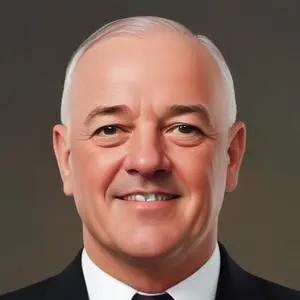
John Foster Dulles: The Unyielding Cold War Diplomat
A Champion of Anti-Communism
John Foster Dulles, the 52nd United States Secretary of State, is known for his unwavering stance against communism during the Cold War era. As a key figure in the Eisenhower administration, Dulles played a crucial role in shaping the country's foreign policy, advocating for an aggressive approach to contain the spread of communism worldwide.
Early Life and Career
Born on February 25, 1888, in Washington, D.C., Dulles came from a family with a rich diplomatic heritage. His grandfather, John W. Foster, and uncle,
Robert Lansing, both served as U.S. Secretaries of State. After graduating from
George Washington University Law School, Dulles joined the prestigious law firm Sullivan & Cromwell, where he honed his skills as a lawyer and diplomat.
The Making of a Cold Warrior
Dulles' experience during World War I and the 1919 Paris Peace Conference, where he served as a U.S. legal counsel, shaped his views on international relations. He became a member of the League of Free Nations Association, advocating for American participation in the League of Nations. His involvement in post-war planning and the design of the Dawes Plan, which aimed to stabilize Europe by reducing German war reparations, further solidified his credentials as a foreign policy expert.
Rise to Prominence
Dulles' rise to prominence began during World War II, when he served as a consultant to the Federal Council of Churches Commission on a Just and Durable Peace. His work on post-war planning and the drafting of the United Nations Charter's preamble earned him recognition as a leading authority on international relations. In 1949, Dulles was appointed a U.S. Senator from New York by Governor
Thomas E. Dewey, although he served for only four months before losing a special election.
Secretary of State and Cold War Architect
In 1953, President
Dwight D. Eisenhower appointed Dulles as Secretary of State, a position he held until his resignation in 1959. During his tenure, Dulles played a crucial role in shaping the country's Cold War strategy, advocating for a policy of containment and rollback of communist expansion. His aggressive stance was reflected in his "brinksmanship" policy, which aimed to push the Soviet Union to the edge of war without engaging in direct conflict.
Major Accomplishments and Controversies
- Played a key role in the formation of the Southeast Asia Treaty Organization (SEATO) to counter communist influence in Asia.
- Brokered the Treaty of San Francisco, which ended World War II in Asia and paved the way for Japan's reintegration into the international community.
- Was a vocal critic of the Soviet Union, often clashing with Soviet leaders Nikita Khrushchev and Vyacheslav Molotov.
- Faced criticism for his role in the overthrow of democratically elected governments in Iran and Guatemala.
Personal Life and Legacy
Dulles' personal life was marked by his deep commitment to his work and his Christian faith. He was a member of the Federal Council of Churches and played a key role in the ecumenical movement. Dulles' legacy is complex, with some viewing him as a dedicated public servant who helped shape the course of the Cold War, while others criticize his aggressive stance and its consequences.
Quotes and Memorable Sayings
- "The ability to get to the verge without getting to the brink is the necessary art of politics."
- "The United States is not a banana republic, and we will not be bullied by the Soviet Union."
Historical Context and Legacy
John Foster Dulles' legacy is inextricably linked to the Cold War, a period of intense ideological rivalry between the United States and the Soviet Union. While his aggressive stance against communism remains controversial, Dulles' commitment to American leadership and his role in shaping the country's foreign policy during a critical period in world history are undeniable.
FAQ
What was John Foster Dulles role in American politics?
John Foster Dulles was an American politician who served as the 52nd United States Secretary of State from 1953 to 1959. He played a key role in shaping American foreign policy during the Cold War era.
How did John Foster Dulles views on communism impact American foreign policy?
Dulles was a vocal anti-communist and believed that the spread of communism posed a significant threat to American national security. He advocated for a policy of containment and rollback, which shaped American foreign policy during the 1950s.
What were John Foster Dulles contributions to international relations?
Dulles was a key figure in shaping international relations during the 1950s. He played a leading role in the formation of the Southeast Asia Treaty Organization (SEATO) and was a strong supporter of the North Atlantic Treaty Organization (NATO).
How did John Foster Dulles personal life impact his politics?
Dulles personal life was marked by a strong sense of morality and a commitment to Christian values. His faith influenced his political views and shaped his approach to international relations.
What is John Foster Dulles legacy in American politics?
Dulles legacy in American politics is that of a dedicated public servant who played a key role in shaping American foreign policy during the Cold War era. His views on communism and international relations continue to influence American politics today.