


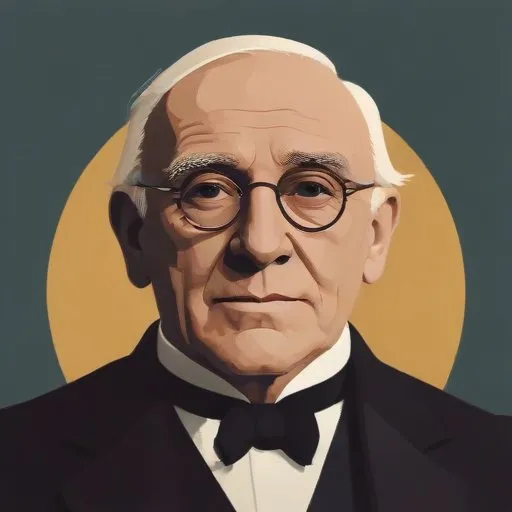
Wrote nostalgic and sentimental poetry and stories that celebrated childhood and rural life, capturing the hearts of many Americans. Known as the "Children's Poet" and "Hoosier Poet" for his contributions to American literature.
James Whitcomb Riley, affectionately known as the "Hoosier Poet" and "Children's Poet," left an indelible mark on American literature with his humorous, sentimental, and dialect-based poetry. With over 1,000 poems to his name, Riley's work remains a testament to his wit, creativity, and dedication to his craft.
Born on October 7, 1849, in Greenfield, Indiana, Riley's early life was marked by a love for words and storytelling. He began his career as a sign maker, often submitting poetry to local newspapers in his spare time. It wasn't until he received an endorsement from renowned poet Henry Wadsworth Longfellow that Riley's talent gained widespread recognition, leading to a succession of jobs at Indiana newspaper publishers in the late 1870s.
The 1880s saw Riley's popularity soar as he embarked on a series of poetry reading tours across the Midwest and eventually, the nation. His performances, often alongside other celebrated talents, captivated audiences and earned him a reputation as a masterful orator. Despite struggling with addiction and poor financial management, Riley eventually broke free from restrictive contracts and began to accumulate wealth, becoming a financial success by the 1890s.
Riley's children's poems, compiled in the book Rhymes of Childhood, illustrated by Howard Chandler Christy, became a phenomenal success, selling millions of copies and cementing his status as a bestselling author. As a poet, Riley achieved an unprecedented level of fame during his lifetime, with annual Riley Day celebrations and regular performances at national civic events.
Riley's work played a significant role in shaping the cultural identity of the Midwest, contributing to the region's Golden Age of Literature. Alongside his contemporaries, he helped create a caricature of Midwestern life, imbuing his poetry with the humor, warmth, and authenticity of the region.
Riley's personal life was marked by struggles with addiction and personal milestones, including his long-term marriage to actress and writer, Elizabeth Dorchert. In 1910, a stroke left him paralyzed, forcing him to abandon his performances and poetry readings. Riley passed away on July 22, 1916, leaving behind a legacy that continues to inspire generations of writers, poets, and readers alike.
Riley's poetry is peppered with wit, wisdom, and humor. Some of his most famous quotes include:
Riley's poetry and legacy continue to influence modern literature, with his emphasis on dialect, humor, and regional identity paving the way for future generations of writers. His work remains a testament to the power of poetry to shape cultural identity, inspire creativity, and bring people together.
As we celebrate the life and work of James Whitcomb Riley, we are reminded of the profound impact one person can have on the world of literature and beyond. His legacy serves as a beacon, inspiring us to cherish the beauty of language, the humor of everyday life, and the importance of preserving our cultural heritage.
Born in 1850
Wrote whimsical children's poetry and humorous essays that captured the American heart, earning a spot as the "Children's Poet" of his era.
Born in 1835
Witty writer of classics like "The Adventures of Tom Sawyer" and "The Adventures of Huckleberry Finn", known for humor and social commentary.
Born in 1819
A celebrated poet, essayist, and journalist who revolutionized American literature with his collection "Leaves of Grass", known for his free verse style and celebration of the human spirit.
Born in 1807
A celebrated poet and educator, known for his lyrical and narrative poems that often explored American history and culture, including the iconic "Paul Revere's Ride".
Born in 1803
A leading figure in the Transcendentalist movement, he advocated for individualism, self-reliance, and nature-inspired spirituality through his essays and poetry. His ideas continue to influence American thought and culture.
Born in 1807
A prominent abolitionist and poet, known for his powerful writings that advocated for social justice and equality, leaving a lasting impact on American literature and history.
Born in 1794
A prominent 19th-century poet and journalist, known for his romantic and nature-inspired poetry, as well as his influential editorship of the New York Evening Post.
Born in 1809
A master of dark and atmospheric storytelling, crafting haunting tales of mystery and horror that continue to captivate readers to this day.
