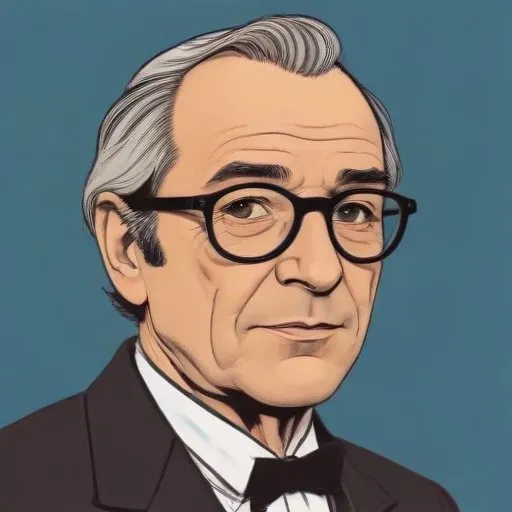
JeanFranois de Bourgoing: A Diplomat, Writer, and Translator of Distinction
A Life of Diplomatic Service and Literary Pursuits
JeanFranois de Bourgoing, born on November 20, 1748, in Nevers, France, was a French diplomat, writer, and translator who left an indelible mark on the world of diplomacy, literature, and science. He is best known for his diplomatic service to the French monarchy, his literary works, and his translations of significant scientific and literary texts.
Early Life and Education
Born into a noble family, Bourgoing received a thorough education in languages, literature, and diplomacy. He was well-versed in several languages, including French, Spanish, and English, which served him well in his future diplomatic career.
Diplomatic Career
Bourgoing's diplomatic career spanned several decades, during which he served as ambassador to Spain, secretary to Louis XVI's legation in Spain, and minister plenipotentiary to the court of Madrid. He played a crucial role in negotiations at the camp of Figueres and was a trusted advisor to the French monarchy.
Literary Career
Apart from his diplomatic career, Bourgoing was a prolific writer and translator. He translated several significant works, including scientific texts and literary masterpieces. His own literary works include studies on Spain, which were widely acclaimed for their accuracy and insight.
Awards and Honors
Bourgoing's contributions to diplomacy, literature, and science were recognized with several awards and honors. He was a commander of the Legion of Honour, a corresponding member of the French Academy of Sciences, and a member of the Copenhagen Academy of Sciences, the Royal Swedish Academy of Arts, and the Royal Swedish Academy of Sciences.
Personal Life and Legacy
Bourgoing's personal life was marked by his dedication to his work and his country. He remained loyal to the French monarchy throughout his life, even during the tumultuous period of the French Revolution. He died on July 20, 1811, in Karlovy Vary, leaving behind a legacy of diplomatic service, literary works, and scientific contributions.
Interesting Facts and Anecdotes
- Bourgoing's study on Spain was praised by Leon Trotsky, who wrote about it in a letter to Alfred Rosmer in 1916.
- He was a knight of the Swedish Order of the Polar Star, a prestigious honor bestowed upon him by the Swedish monarchy.
Impact on Modern Society
Bourgoing's contributions to diplomacy, literature, and science have had a lasting impact on modern society. His translations of scientific texts helped spread knowledge across borders, while his literary works provided valuable insights into the culture and politics of Spain and France during the 18th and 19th centuries. His diplomatic service set the stage for future diplomatic relations between France and Spain.
Conclusion
JeanFranois de Bourgoing was a remarkable individual who excelled in multiple fields. His dedication to diplomacy, literature, and science has left an indelible mark on history, and his contributions continue to inspire and educate people to this day.
FAQ
What was Jean-François de Bourgoings role in French diplomacy?
As a French diplomat, writer, and translator, Bourgoing played a key role in shaping French foreign policy and promoting cultural exchange between France and other European nations.
How did Jean-François de Bourgoings translations influence French literature?
Bourgoings translations of foreign works helped to introduce French readers to new ideas and perspectives, broadening the scope of French literature and promoting cross-cultural understanding.
What was Jean-François de Bourgoings relationship with the French royal court?
Bourgoing maintained close ties with the French royal court, serving as a diplomat and advisor to the monarchy and helping to shape French foreign policy.
How did Jean-François de Bourgoings views on diplomacy influence later diplomats?
Bourgoings views on diplomacy, which emphasized the importance of flexibility and cultural understanding, helped to shape the development of French diplomacy and inform later diplomats and statesmen.
What is Jean-François de Bourgoings legacy in modern French diplomacy?
Today, Bourgoing is remembered as a skilled diplomat and cultural ambassador, whose contributions to French diplomacy and literature continue to inspire and inform modern diplomats and policymakers.