


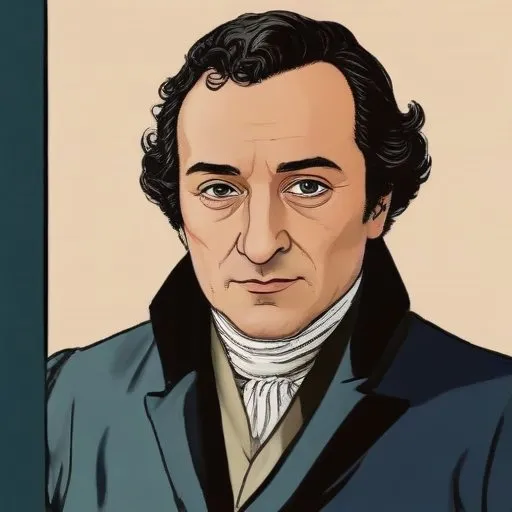
A 17th-century French author and poet, known for his romantic and fantastical works, including the first French novel, "Ariane", which influenced the development of the modern novel.
Jean Regnault de Segrais, a distinguished French poet and novelist, is famously recognized for his captivating literary works that resonated with the hearts of many during the 17th century. His remarkable talent and influential writings earned him a prominent position as a member of the prestigious Académie française in 1662.
Born on August 22, 1624, in Caen, France, Jean Regnault de Segrais came from a family with a rich cultural heritage. Growing up in an environment that fostered intellectual curiosity, he developed a strong affinity for literature and poetry from a young age.
De Segrais' literary career was marked by the publication of numerous novels, poems, and essays that showcased his mastery of language and creativity. Some of his notable works include:
De Segrais' literary works often reflected his philosophical views on morality, ethics, and the human condition. He believed in the power of literature to shape societal values and promote positive change. Through his writing, he encouraged readers to reflect on their own values and moral principles.
Jean Regnault de Segrais' literary legacy extends beyond his own time, influencing generations of French writers and intellectuals. His work has inspired notable authors such as Molière and Madame de La Fayette, shaping the course of French literature in the 17th and 18th centuries.
Throughout his life, de Segrais was recognized for his literary achievements. He was awarded the title of "poète du roi" (poet of the king) in 1673, a testament to his exceptional talent. In 1694, he was appointed as the official historiographer of France, solidifying his position as a respected historian and writer.
Jean Regnault de Segrais' contributions to French literature have left an indelible mark on the country's cultural heritage. His work continues to be studied and appreciated by scholars and literature enthusiasts alike, providing insight into the social, cultural, and philosophical landscape of 17th-century France.
De Segrais' remarkable life and literary achievements serve as a testament to the power of creativity, perseverance, and dedication. His legacy inspires future generations to pursue their passions and strive for excellence, ensuring that his impact will be felt for centuries to come.
"The pen is mightier than the sword, for it can pierce the heart and soul of humanity."
Through his words, Jean Regnault de Segrais continues to inspire and motivate, leaving behind a lasting legacy that will forever be etched in the annals of French literature.
Born in 1639
A 17th-century master of French tragedy, crafting intricate, psychologically complex dramas that probed the human condition, influencing the development of Western theatre.
Born in 1622
A 17th-century master of comedy, he penned witty plays that satirized the French aristocracy, leaving a lasting impact on Western theater. His works remain widely performed and adapted today.
Born in 1606
A 17th-century French mastermind behind iconic plays like "Le Cid" and "Horace", known for pioneering the classical French tragedy genre.
Born in 1621
A 17th-century master of fables, crafting witty, moral tales that entertain and educate, still widely read and adapted today.
Born in 1636
A 17th-century French poet and critic who advocated for reason and morality in literature, and is known for his influential writings on poetry and aesthetics.
Born in 1628
A 17th-century French author and academic who wrote beloved fairy tales, including "Cinderella" and "Sleeping Beauty", that have become timeless classics.
Born in 1613
A 17th-century French lawyer, philologist, and scholar who made significant contributions to the fields of linguistics, history, and literature, particularly in the study of ancient Greek and Roman texts.
