


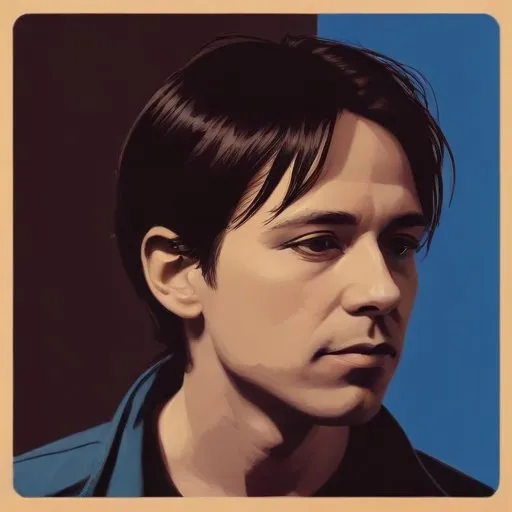
A renowned British jazz bassist, known for his work with iconic bands like Nucleus and Tubby Hayes Quartet, and his influential fusion of jazz and rock.
Jeff Clyne, a British jazz bassist extraordinaire, is renowned for his dexterity on both the bass guitar and double bass, leaving an indelible mark on the jazz scene. With a career spanning over four decades, Clyne's versatility and finesse earned him a coveted spot among the crème de la crème of British jazz musicians.
Clyne's journey in jazz commenced in the late 1950s, when he joined forces with Tubby Hayes and Ronnie Scott to form the Jazz Couriers. This collaboration not only catapulted Clyne to fame but also led to the establishment of Ronnie Scott's Jazz Club in November 1959, a legendary venue that would become a hub for British jazz.
Clyne's impressive discography boasts an array of iconic collaborations with luminaries such as Blossom Dearie, Stan Tracey, Ian Carr, Gordon Beck, John McLaughlin, Dudley Moore, Zoot Sims, Norma Winstone, John Burch, and Marion Montgomery. His work with drummer Trevor Tomkins was particularly fruitful, yielding numerous critically acclaimed albums.
As a leader, Clyne released two notable albums: Springboard (1969) with Ian Carr and Twice Upon a Time (1988) with Phil Lee. His work as a sideman is equally impressive, with notable contributions to albums such as Greek Variations and A Symphony of Amaranths with Neil Ardley, and Conversation Piece with Gordon Beck.
Clyne was an integral member of several influential jazz ensembles, including Nucleus, Isotope, Gilgamesh, Giles Farnaby's Dream Band, and Turning Point. These groups not only showcased Clyne's exceptional talent but also played a significant role in shaping the British jazz landscape of the 1970s.
Although Clyne's remarkable career was cut short by his untimely passing on November 16, 2009, his impact on British jazz remains profound. His discography continues to inspire new generations of jazz enthusiasts, and his contributions to the genre have cemented his place among the all-time greats.
Jeff Clyne's remarkable life and legacy serve as a testament to his dedication to the art of jazz. As a master of his craft, he left an indelible mark on the genre, and his music continues to captivate audiences to this day.
84 Years Old
A pioneering jazz-fusion guitarist and composer, known for his virtuosic playing style and influential work with the Mahavishnu Orchestra.
78 Years Old
A Czech pianist, composer, and producer who created iconic synthesizer-heavy soundtracks for TV and film, including the legendary theme for "Miami Vice".
82 Years Old
A highly influential jazz fusion drummer and composer, known for his technically impressive and innovative playing style, which has inspired countless musicians across multiple genres.
98 Years Old
A pioneering R&B and soul singer, known for his smooth, velvety voice and hit songs like "Baby Baby" and "The Woman I Need".
87 Years Old
A legendary drummer and songwriter, best known for his innovative and influential work with the rock band Cream, pushing the boundaries of jazz and rock fusion.
80 Years Old
The drummer and wild child of The Who, known for his explosive stage presence, destructive antics, and innovative drumming style that helped shape the sound of rock music.
78 Years Old
Legendary drummer and songwriter behind iconic rock band Led Zeppelin, known for powerful beats and epic songs like "Stairway to Heaven".
85 Years Old
The drummer and backbone of The Rolling Stones, known for his understated yet iconic style and subtle, jazz-infused beats that helped shape the band's sound.
