


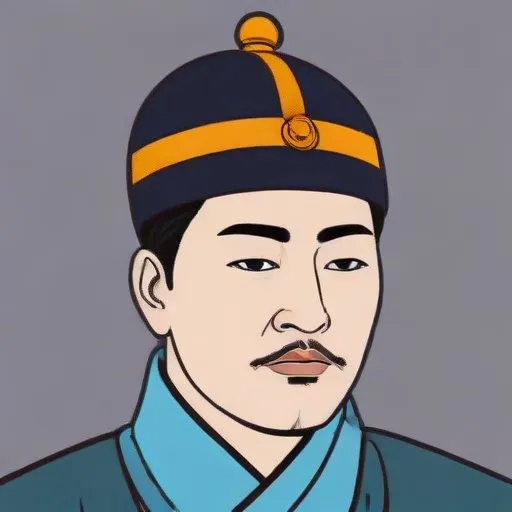
Ruler of the Goryeo dynasty in Korea from 1014 to 1034, known for his military campaigns and territorial expansions, as well as his cultural and economic reforms.
Jeongjong II, the 11th ruler of the Goryeo dynasty, is renowned for his remarkable economic reforms, which propelled Korea into an era of unprecedented prosperity. During his reign from 945 to 948, Jeongjong II implemented a series of innovative policies that boosted trade, agriculture, and industry, earning him the reputation as one of the most successful economic reformers in Korean history.
Born in 923, Jeongjong II was the son of King Taejo, the founder of the Goryeo dynasty. From an early age, he demonstrated a keen sense of ambition and vision, which would later define his tenure as king.
Jeongjong II's most significant contributions were his economic reforms, which transformed Korea's stagnant economy into a thriving powerhouse. He introduced the joseon system, a series of regional administrations that promoted trade and commerce. He also established the gwanhunseo, a central bank that stabilized the currency and provided loans to merchants and farmers.
Jeongjong II's economic reforms had a profound impact on Korean society. The economy flourished, and the standard of living improved significantly. The king's policies also fostered a cultural renaissance, as artisans, scholars, and merchants prospered.
In 945, Jeongjong II ascended to the throne after the death of his brother, King Hyejong. During his reign, he faced numerous challenges, including conflicts with the Khitan Empire and internal power struggles.
Jeongjong II was deeply influenced by Buddhism and Confucianism, which shaped his worldview and informed his policies. He believed in the importance of social welfare and the need to promote economic development to ensure the prosperity of his people.
Jeongjong II's economic reforms continue to inspire Korean policymakers and business leaders today. His legacy serves as a testament to the power of innovative thinking and visionary leadership.
Jeongjong II's reign marked a significant turning point in Korean history, as the country transitioned from a period of instability to one of economic growth and cultural flourishing. His legacy has endured for centuries, inspiring generations of Koreans to strive for prosperity and greatness.
Jeongjong II's remarkable story serves as a testament to the power of visionary leadership and the importance of economic innovation. His legacy continues to inspire and influence Koreans today, making him one of the most beloved and revered figures in Korean history.
Born in 1397
Creator of the Korean alphabet, Hangul, and a visionary leader who promoted education, science, and the arts, transforming Korea into a cultural and economic powerhouse.
Born in 1367
The third king of the Joseon Dynasty, he's known for establishing a strong and efficient government, reforming the tax system, and creating a professional military. He's also infamous for his ruthless purge of officials who opposed him.
Born in 1330
The 14th-century Korean monarch who oversaw the creation of the Jikji, the world's oldest surviving movable metal print book, and implemented significant reforms to stabilize the kingdom.
