


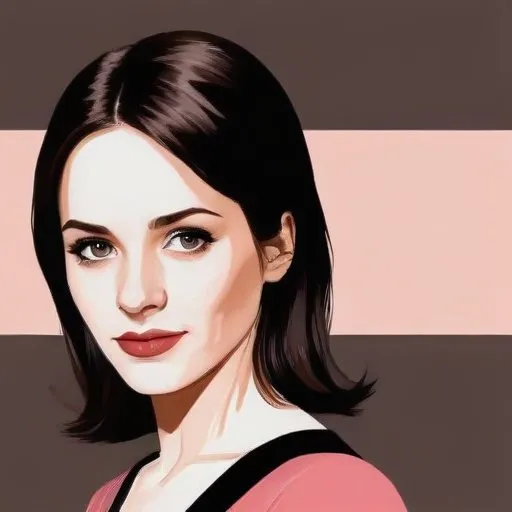
Early 20th-century stage and film actress, known for being the first wife of Laurence Olivier and her roles in British cinema during the 1930s.
Jill Esmond was a renowned English stage and screen actress who made a lasting impact on the entertainment industry with her remarkable talent and captivating performances. Born on January 26, 1908, in London, Esmond's early life was surrounded by the world of theatre, paving the way for her future success.
As the daughter of stage actors Henry V. Esmond and Eva Moore, Esmond's childhood was marked by frequent touring with her parents' theatre companies. Despite the unconventional upbringing, she was enrolled in boarding schools, where she developed a passion for acting. Esmond made her stage debut at the tender age of 14, playing Wendy in a production of Peter Pan, alongside Gladys Cooper.
Tragedy struck in 1922 when her father passed away suddenly in Paris, due to pneumonia. This life-altering event prompted Esmond to reassess her ambitions, but she eventually returned to the stage, determined to pursue her dreams. She studied at the prestigious Royal Academy of Dramatic Art in London, refining her craft and preparing herself for the competitive world of theatre.
Esmond's big break came in 1925 when she starred alongside her mother in the play Mary, Mary Quite Contrary. Her performances impressed critics and audiences alike, leading to a string of successful roles, including her critically acclaimed portrayal of a young suicide in Outward Bound.
In 1928, Esmond met her future husband, Laurence Olivier, during the production of Bird in the Hand. Although Olivier was smitten with Esmond, she remained indifferent to his advances, which only fueled his determination to win her heart. Esmond's talent soon took her to Broadway, where she earned rave reviews for her performances.
Olivier's persistence paid off, and the couple married on July 25, 1930, at All Saints, Margaret Street, London. Esmond's career continued to flourish, with her husband often playing supporting roles to her leading ladies.
Some of Esmond's notable works include Private Lives, The Roof, and The Tyrant, showcasing her versatility and talent on both stage and screen. Her marriage to Olivier, one of the most celebrated actors of his time, cemented her status as a leading lady in the entertainment industry.
Jill Esmond's contributions to the world of theatre and film are a testament to her dedication, perseverance, and passion for her craft. Her trailblazing career paved the way for future generations of actresses, inspiring many with her remarkable talent and captivating performances.
A true icon of her time, Esmond's legacy continues to inspire and influence aspiring performers, ensuring that her impact on the entertainment industry will be remembered for years to come.
Born in 1907
A renowned thespian who dominated the British stage and screen, bringing Shakespearean characters to life with his commanding presence and rich voice.
Born in 1913
A talented actress who won two Academy Awards for her iconic portrayals of Southern belles in "Gone with the Wind" and "A Streetcar Named Desire".
Born in 1902
A renowned stage and screen actor, celebrated for his distinctive voice and authoritative presence, starring in iconic films like "David Copperfield" and "Doctor Zhivago".
Born in 1904
A renowned thespian, celebrated for his commanding stage presence and iconic performances in Shakespearean plays and films, earning him a knighthood.
Born in 1899
A renowned English actor, playwright, and composer, known for his witty humor, sophisticated style, and iconic works like "Private Lives" and "Blithe Spirit".
Born in 1911
A renowned playwright and screenwriter of the 20th century, known for crafting intricate, emotionally charged dramas that probed the British upper class, often exploring themes of love, morality, and social convention.
Born in 1893
A renowned stage and screen actor, he brought iconic characters to life in film adaptations of classic literature, including David Copperfield and The Hunchback of Notre Dame.
Born in 1856
A renowned Irish playwright and critic, known for his witty, thought-provoking plays that often challenged social norms and conventions. His works include Pygmalion and My Fair Lady.
