


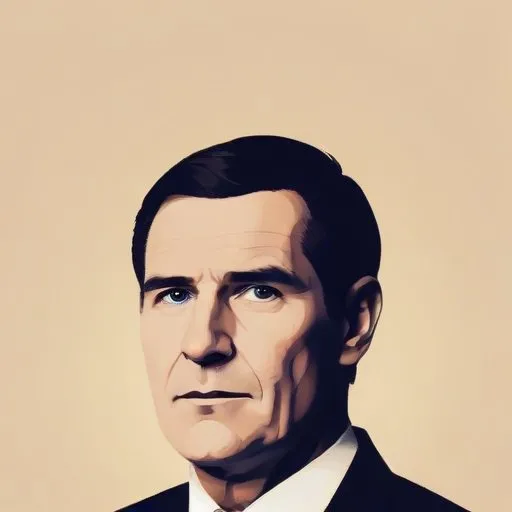
The 41st Premier of Tasmania, serving from 1998 to 2004, known for his economic reforms and infrastructure development. He played a crucial role in shaping Tasmania's economy and infrastructure.
Jim Bacon, a stalwart of Australian politics, is remembered for his remarkable tenure as the Premier of Tasmania from 1998 to 2004. During this period, he orchestrated a remarkable turnaround of the state's economy, transforming it into a thriving hub of tourism and commerce.
Born on May 15, 1950, in Melbourne, Victoria, Bacon's childhood was marked by the untimely death of his father, Frank, a doctor, when he was just 12 years old. His mother, Joan, played a significant role in raising him. Bacon pursued his education at Scotch College and later enrolled in politics at Monash University, although he did not graduate.
At Monash, Bacon was an active Maoist student leader, shaping his early political ideology. He later moved to Western Australia, where he worked as a laborer and eventually became an official of the Builders Labourers Federation. In this capacity, he was sent to Tasmania as an organizer, eventually rising to become the leader of the trade union movement as Secretary of the Tasmanian Trades and Labor Council.
Bacon joined the Tasmanian branch of the Labor Party and was elected to the House of Assembly in 1996, representing the Hobart-based seat of Denison. He quickly gained prominence, becoming the leader of the Tasmanian Labor Party in 1997. Bacon's charisma and vision earned him a narrow victory in the 1998 state election, defeating the incumbent Liberal Party government under Tony Rundle. This marked the first Labor majority since 1982.
Bacon's government accomplished a plethora of remarkable feats during his tenure. Some of the most notable achievements include:
Bacon's appointment of Richard Butler as Governor of Tasmania in 2003 sparked controversy, with some critics questioning Butler's fitness for the role. Despite this, Bacon's legacy as a visionary leader and reformer remains untarnished. His government's impressive achievements and his commitment to social justice have left an indelible mark on Tasmania's history.
Had Bacon's untimely passing in 2004 not occurred, one wonders what further reforms and initiatives he might have pursued. His dedication to Tasmania's growth and development would have likely continued to inspire progress and innovation.
Judge for yourself the significance of Bacon's contributions: he was posthumously appointed a Companion of the Order of Australia (AC) in 2005, a testament to his enduring impact on Australian politics and society.
"The key to Tasmania's future lies in embracing our unique strengths and building a more sustainable, more equitable society for all Tasmanians."
This quote, often attributed to Bacon, encapsulates his unwavering commitment to Tasmania's growth and progress, a legacy that continues to inspire generations to come.
As we reflect on Bacon's life and achievements, we are reminded of the transformative power of visionary leadership. His unwavering dedication to Tasmania's development and his resolute commitment to social justice have left an indelible mark on the state's history. Jim Bacon's remarkable journey serves as a beacon of inspiration for those seeking to make a lasting impact on their community.
71 Years Old
The 42nd Premier of Tasmania, a Labor Party leader who served from 2004 to 2008, is known for his efforts to revitalize the state's economy and infrastructure. He also played a key role in shaping Tasmania's response to climate change.
58 Years Old
The 43rd Premier of Tasmania, serving from 2008 to 2011, is known for his progressive policies and efforts to address climate change. He also played a key role in Tasmania's economic development.
53 Years Old
The 44th Premier of Tasmania, a Papua New Guinean-Australian politician who served from 2011 to 2014, known for her progressive policies and strong leadership.
57 Years Old
The 45th Premier of Tasmania, serving from 2014 to 2020, known for his economic development and infrastructure projects, as well as his efforts to promote tourism in the state.
78 Years Old
The 38th Premier of Tasmania, serving from 1989 to 1992, known for his economic reforms and leadership during a period of significant change in the state's politics.
82 Years Old
A former Australian rules footballer who became a lawyer and politician, serving as the Premier of Tasmania from 1992 to 1996, known for his leadership and public service.
87 Years Old
The 40th Premier of Tasmania, serving from 1996 to 1998, known for his brief but significant tenure in Tasmanian politics, particularly in the areas of education and economic development.
86 Years Old
The 37th Premier of Tasmania, serving from 1982 to 1989, known for his economic reforms and infrastructure development. He played a significant role in shaping Tasmania's economy and politics.
