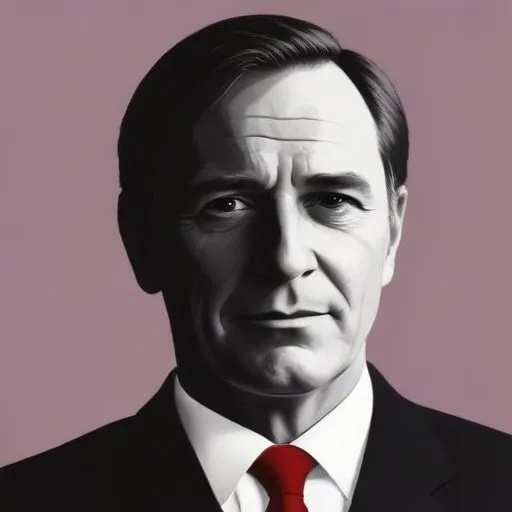
Michael Field: The Premier Who Shaped Tasmania's Future
A Leader in Tasmania's Politics
Michael Field is best known for his remarkable leadership as the Premier of Tasmania from 1989 to 1992, during which he formed a minority government with the support of the Independents and the nascent Green party. This historic agreement, known as the Labor-Green Accord, marked a significant shift in Tasmanian politics and cemented Field's place as a visionary leader.
Early Life and Education
Born on May 28, 1948, in Latrobe, Tasmania, Field grew up on the northwest coast of the island. He attended Devonport High School and later graduated from the University of Tasmania in 1971 with a Bachelor of Arts in history and political science.
Rise to Prominence
Field's entry into politics began in 1976, when he was elected to the Tasmanian House of Assembly for Braddon. Over the years, he held various cabinet positions, including minister for education, minister for housing, and minister for environment and planning. His dedication and commitment to public service earned him the leadership of the Tasmanian Branch of the Labor Party in 1988.
The Labor-Green Accord
The 1989 state election saw the Labor Party suffer a one-seat swing, while the incumbent Liberal government under
Robin Gray lost two seats, resulting in a hung parliament. Field seized the opportunity to form a minority government with the support of the Greens and Independents. This historic accord, signed on May 29, 1989, paved the way for a new era of cooperative governance in Tasmania.
Reforms and Legacy
During his tenure as Premier, Field oversaw significant fiscal reforms, which, although unpopular at the time, helped rehabilitate the state's finances. His government's efforts aimed to create a more sustainable and equitable economic environment for Tasmanians. Field's legacy extends beyond his time as Premier, as he later served as the Chancellor of the University of Tasmania from January 2013 to June 2021, further solidifying his impact on the state's education and development.
Career Highlights and Major Works
- Leader of the Tasmanian Branch of the Labor Party (1988-1996)
- Premier of Tasmania (1989-1992)
- Chancellor of the University of Tasmania (2013-2021)
- Implemented significant fiscal reforms to rehabilitate Tasmania's finances
- Forged the historic Labor-Green Accord, marking a new era of cooperative governance
Influence on Modern Society
Michael Field's leadership and vision have had a lasting impact on Tasmania's politics, economy, and education. His commitment to cooperative governance and fiscal responsibility has inspired future generations of leaders and policymakers. As a testament to his enduring legacy, Field remains a respected figure in Tasmanian politics and beyond.
FAQ
What was Michael Fields role in Tasmanian politics?
Michael Field served as the 38th Premier of Tasmania, leading the state from 1989 to 1992 and implementing various reforms and policies during his tenure.
What were Michael Fields major achievements as Premier?
Michael Fields notable achievements as Premier of Tasmania include the introduction of freedom of information laws and the establishment of the Tasmanian Wilderness World Heritage Area.
What was Michael Fields stance on environmental issues?
Michael Field was a strong advocate for environmental protection, demonstrated by his efforts to preserve Tasmanias wilderness areas and his support for sustainable development.
How did Michael Fields leadership impact Tasmanias economy?
During Michael Fields premiership, Tasmania experienced significant economic growth, driven by his governments investments in infrastructure, tourism, and industry development.
What is Michael Fields legacy in Tasmanian politics?
Michael Fields legacy in Tasmanian politics is marked by his commitment to progressive values, environmental protection, and economic development, earning him recognition as a respected and influential leader.