


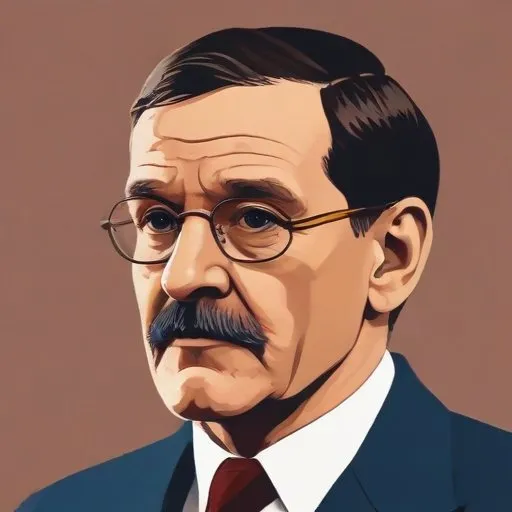
Creator of the game of basketball, introducing the first 13 rules and revolutionizing physical education and sports globally.
Jim Naismith, a Canadian-American physical education instructor, is synonymous with the invention of basketball, a sport that has captivated millions globally. In 1891, Naismith created the game to provide a physical activity for students during the harsh New England winter, and in doing so, left an indelible mark on the world of sports.
Born on November 6, 1861, in Almonte, Ontario, Canada, Naismith grew up in a family of modest means. He earned a degree in physical education from McGill University in 1887 and later moved to the United States, where he attended the YMCA International Training School (now Springfield College) in Massachusetts.
In December 1891, Naismith was tasked with creating a new indoor game to keep students active during the winter months. With only 14 days to come up with a new game, Naismith combined elements of soccer, football, and hockey to create basketball. The first game was played with a soccer ball and two peach baskets, which served as the original hoops.
Basketball has become one of the most popular sports in the world, with the National Basketball Association (NBA) and the Women's National Basketball Association (WNBA) boasting millions of fans globally. Naismith's invention has also had a profound impact on community development, providing a platform for social interaction, exercise, and character building.
Jim Naismith's invention of basketball has left an indelible mark on the world of sports, fostering a sense of community, promoting physical activity, and providing a platform for self-expression. As the "Father of Basketball," Naismith's contributions will continue to inspire generations to come.
Born in 1916
Pioneering scientist who discovered the structure of DNA, revolutionizing our understanding of genetics and life itself.
Born in 1920
A British scientist who contributed significantly to the discovery of the structure of DNA, providing high-quality X-ray crystallography images that helped James Watson and Francis Crick develop their famous model.
Born in 1916
A Nobel Prize-winning physicist and biologist who contributed significantly to the discovery of the structure of DNA, using X-ray crystallography to produce the first clear images of the molecule.
98 Years Old
Discovered the structure of DNA, revolutionizing our understanding of genetics and earning a Nobel Prize. Pioneering work in molecular biology has far-reaching implications for medicine and beyond.
Born in 1901
Pioneering chemist and peace activist who won two unshared Nobel Prizes, one for chemistry and one for peace, for his groundbreaking work on the nature of the chemical bond and his tireless efforts to promote nuclear disarmament.
Born in 1905
A pioneer in DNA research, this biochemist discovered the base pairing rules of DNA, leading to a fundamental understanding of genetic code.
Born in 1924
A pioneer in the field of atmospheric physics, known for his groundbreaking research on the ozone layer and climate change, and a vocal skeptic of global warming theories.
Born in 1914
Pioneering crystallographer who unraveled the structure of hemoglobin, revolutionizing our understanding of biological molecules. His work paved the way for major advances in medicine and biochemistry.
