


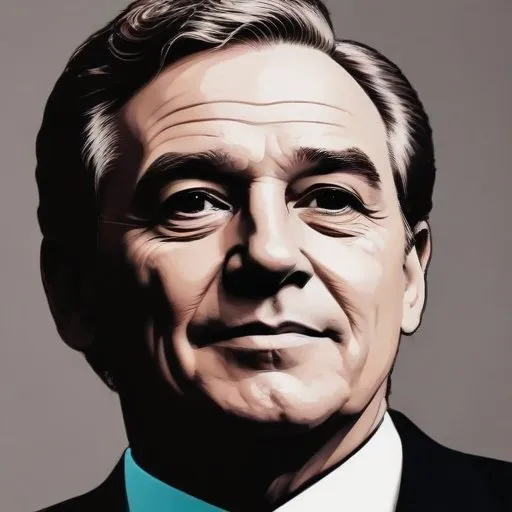
Served as a U.S. Representative from Minnesota for 36 years, championing transportation and infrastructure development, and was a strong advocate for bike-friendly roads.
Jim Oberstar, a stalwart Democrat from Minnesota, is renowned for his unwavering commitment to public service, having spent over three decades in the United States House of Representatives. As the longest-serving member from Minnesota, Oberstar left an indelible mark on the country's transportation infrastructure, earning him the respect and admiration of his peers and constituents alike.
Born on September 10, 1934, in Chisholm, Minnesota, Oberstar grew up with a strong sense of community and social responsibility. His father, Louis, an iron ore miner and union member, instilled in him the importance of hard work and fighting for the rights of the working class. This upbringing would shape Oberstar's future endeavors and inform his policy decisions.
Oberstar's entry into politics began as a staffer for Minnesota's 8th District U.S. Representative John Blatnik, where he rose to the position of chief of staff. This experience laid the foundation for his own congressional bid, which he won in 1974. Oberstar's dedication to the people of Minnesota earned him 17 consecutive terms in office, making him a respected voice in the House of Representatives.
Oberstar's crowning achievement came with his appointment as Chairman of the House Transportation and Infrastructure Committee in 2007. During his tenure, he oversaw the passage of landmark legislation, including the American Recovery and Reinvestment Act and the SAFETEA-LU Act, which invested billions in the nation's transportation infrastructure. His leadership ensured that Minnesota received a fair share of funding for critical projects, creating jobs and stimulating local economies.
In 1952, Oberstar graduated from Chisholm High School, and went on to earn a B.A. degree from the College of St. Thomas (now the University of St. Thomas) in 1956. He received a master's degree in European Studies from the College of Europe in Bruges, Belgium in 1957. Oberstar also spent four years as a civilian language teacher in the United States Marine Corps, teaching English to Haitian military personnel and French to American Marine officers and noncommissioned officers.
Jim Oberstar's remarkable life serves as a testament to the power of dedication, hard work, and a commitment to public service. Throughout his illustrious career, he remained true to his values, fighting tirelessly for the rights of working-class Americans and investing in the nation's infrastructure. As a champion of the people, Oberstar's legacy continues to inspire generations of policymakers, activists, and community leaders.
Oberstar's story teaches us that ordinary people can achieve extraordinary things when driven by a sense of purpose and a willingness to serve. His life is a shining example of the impact one person can have when guided by a strong moral compass and an unwavering commitment to the common good.
Born in 1911
The 38th Vice President of the United States was a prominent liberal politician and journalist who played a key role in shaping the country's civil rights policies. He's most known for his strong support of the Civil Rights Act of 1964.
98 Years Old
The 42nd Vice President of the United States was a prominent politician who served under Jimmy Carter and was known for his strong liberal stance and advocacy for social justice. He was also the Democratic nominee for president in 1984.
Born in 1916
A poet and politician who ran for president in 1968, known for his anti-war stance and inspiring a generation of young people to get involved in politics.
98 Years Old
The 34th Governor of Minnesota, a dentist-turned-politician, served two non-consecutive terms from 1976 to 1979 and again from 1983 to 1991, focusing on economic development and education reform. He's also known for his efforts to attract foreign business investment to the state.
Born in 1923
The 35th Governor of Minnesota, serving from 1979 to 1983, is most known for his progressive policies and advocacy for education and social welfare. He also played a key role in shaping the state's environmental and economic development.
