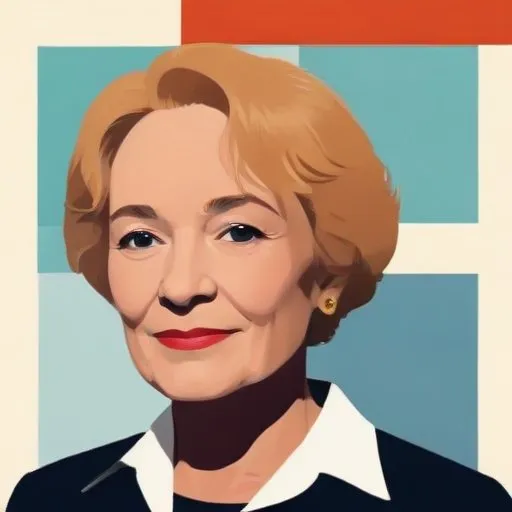
Joan Busfield: A Pioneering Sociologist and Psychologist
Introduction
Joan Busfield is a renowned British sociologist and psychologist, distinguished for her meticulous research in the fields of psychiatry and mental disorder. As a prominent academic, she has made significant contributions to the understanding of mental health and its intricacies, earning her the prestigious position of Professor of Sociology at the University of Essex.
Early Life and Education
Born on June 22, 1940, Joan Busfield pursued her academic interests with diligence, originally training as a clinical psychologist at the esteemed Tavistock Clinic. She further honed her skills by obtaining an MA from the University of St. Andrews, followed by an MA and Ph.D. from the University of Essex.
Research Focus and Contributions
Busfield's research primarily revolves around psychiatry and mental disorder, with a specific emphasis on understanding the intricate relationships between mental health, society, and culture. Her work has been instrumental in shaping the discourse on mental illness, challenging prevalent notions, and promoting a more nuanced understanding of the subject.
Major Works and Publications
- Thinking about Children: Sociology and Fertility in Post-War England (1977) - a seminal work that explores the complex relationships between fertility, family, and society
- Managing Madness: Changing Ideas and Practice (1989) - a comprehensive analysis of the evolution of mental health care and its implications
- Men, Women, and Madness: Understanding Gender and Mental Disorder (1996) - a groundbreaking study that examines the intersection of gender and mental health
- Methodological Imaginations (1996) - a collaborative work that delves into the methodological complexities of social science research
- Health and Health Care in Modern Britain (2000) - a critical examination of the British healthcare system and its challenges
- Mental Illness (2011) - a comprehensive and accessible overview of the complexities of mental illness
Journal Articles and Papers
Busfield has published numerous papers in esteemed journals, including:
- "The Concept of Medicalisation Reassessed: A Rejoinder" (Sociology of Health and Illness, 2017)
- "Assessing the Overuse of Medicines" (Social Science & Medicine, 2015)
- "Challenging Claims that Mental Illness has been Increasing and Mental Wellbeing Declining" (Social Science & Medicine, 2012)
- "A Pill for Every Ill: Explaining the Expansion in Medicine Use" (Social Science & Medicine, 2010)
Awards and Honors
Busfield's contributions to the field of sociology and psychology have been recognized through her appointment as President of the British Sociological Association (2003-2005).
Legacy and Impact
Joan Busfield's work has had a profound impact on our understanding of mental health and its complexities. Her research has not only shaped the academic discourse but has also informed policy and practice, ultimately contributing to a more compassionate and nuanced approach to mental illness.
FAQ
What is Joan Busfields contribution to sociology?
Joan Busfield is a prominent sociologist who has made significant contributions to the field of medical sociology, particularly in the areas of mental health and psychiatry.
What is Joan Busfields research focus?
Joan Busfields research has focused on the social and cultural aspects of mental illness, including the experiences of mental health patients and the role of social factors in shaping mental health outcomes.
What has Joan Busfield written about?
Joan Busfield has written extensively on topics such as the sociology of mental health, the history of psychiatry, and the social construction of mental illness.
How has Joan Busfield influenced the field of sociology?
Joan Busfields work has had a significant impact on the field of sociology, shaping our understanding of the social and cultural dimensions of mental health and illness.
What awards has Joan Busfield received for her work?
Joan Busfield has received several awards for her contributions to sociology, including the British Sociological Associations Lifetime Achievement Award.