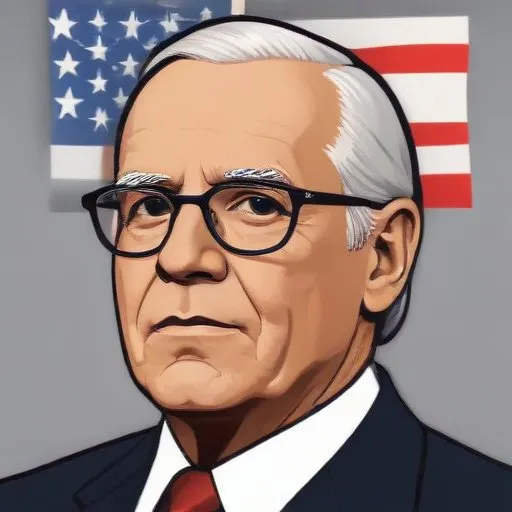
John C. Whitehead: The Guardian of Lower Manhattan
From War Hero to Wall Street Tycoon
John C. Whitehead, the renowned American banker, civil servant, and philanthropist, left an indelible mark on the world of finance and beyond. As the chairman of the Lower Manhattan Development Corporation, Whitehead played a pivotal role in the rebuilding of the World Trade Center site after the devastating 9/11 attacks, earning him widespread recognition and respect.
Early Life and Education
Born on April 2, 1922, in Evanston, Illinois, Whitehead grew up in Montclair, New Jersey, where he earned his Eagle Scout rank from Troop 12. He graduated from Haverford College in 1943 and went on to serve in the U.S. Navy during World War II, commanding an LCDP landing craft at Omaha Beach in the D-Day landings.
A Rise to Prominence: Goldman Sachs and Beyond
Whitehead's illustrious career began at Goldman Sachs in 1947, where he quickly rose through the ranks, becoming a partner and eventually co-chairman and co-senior partner. His 38-year tenure at the firm cemented his reputation as a shrewd and visionary leader. In 1985, he served as United States Deputy Secretary of State under President
Ronald Reagan, further solidifying his position as a respected figure in American politics and finance.
Philanthropy and Public Service
Whitehead's commitment to public service extended beyond his government and corporate roles. He was a dedicated philanthropist, serving as chairman of the Board of the Federal Reserve Bank of New York, the United Nations Association, and the
Andrew W. Mellon Foundation, among others. He was also a director of the New York Stock Exchange and the Harvard Board of Overseers.
Awards and Honors
Throughout his career, Whitehead received numerous accolades, including the Golden Plate Award of the American Academy of Achievement (1986) and election to the American Academy of Arts and Sciences (1988).
Legacy and Impact
John C. Whitehead's multifaceted legacy continues to inspire generations of leaders and citizens alike. His tireless efforts to rebuild Lower Manhattan and his commitment to public service have left an enduring mark on the world of finance, politics, and beyond. As a testament to his lasting impact, the World Trade Center Memorial Foundation's John C. Whitehead Pavilion stands as a poignant reminder of his unwavering dedication to the people of New York City.
Personal Milestones
- Received MBA degree from Harvard Business School (1947)
- Served as United States Deputy Secretary of State (1985-1989)
- Received the Presidential Citizens Medal from President Reagan (1989)
- Served as chairman of the Lower Manhattan Development Corporation (until 2006)
Controversies and Public Perception
Whitehead's tenure as chairman of the Lower Manhattan Development Corporation was not without controversy. Critics argued that the corporation's plans for the World Trade Center site were overly focused on commercial development, neglecting the needs of local residents and small businesses. Despite these criticisms, Whitehead's commitment to the rebuilding process remained unwavering.
Quotes and Memorable Sayings
- "We must rebuild Lower Manhattan, not just as a symbol of our resilience, but as a testament to our ability to come together in the face of adversity."
Historical Context and Legacy
John C. Whitehead's remarkable life and career serve as a testament to the power of vision, leadership, and philanthropy. As a towering figure in American finance and politics, his impact will continue to shape the world for generations to come.
FAQ
What was John C. Whiteheads role in the US government?
John C. Whitehead served as the 9th United States Deputy Secretary of State from 1985 to 1989, during the presidency of Ronald Reagan. He was a key advisor to Secretary of State George Shultz and played a key role in shaping US foreign policy during the late Cold War era.
What was John C. Whiteheads background before entering politics?
Before entering politics, John C. Whitehead had a long and distinguished career in finance, serving as co-chairman of Goldman Sachs and as a member of the Federal Reserve Bank of New Yorks board of directors.
What was John C. Whiteheads role in the establishment of the New York Federal Reserve?
John C. Whitehead played a key role in the establishment of the New York Federal Reserve Bank, serving as its chairman from 1975 to 1979. During his tenure, he helped shape the banks monetary policy and respond to economic crises.
What awards did John C. Whitehead receive for his public service?
John C. Whitehead received several awards for his public service, including the Presidential Medal of Freedom, the nations highest civilian honor, which was awarded to him in 1989.
What was John C. Whiteheads legacy in US foreign policy?
John C. Whiteheads legacy in US foreign policy is that of a skilled diplomat and strategist who helped shape US foreign policy during the Reagan era. He is remembered for his expertise in international finance and his commitment to promoting American interests abroad.