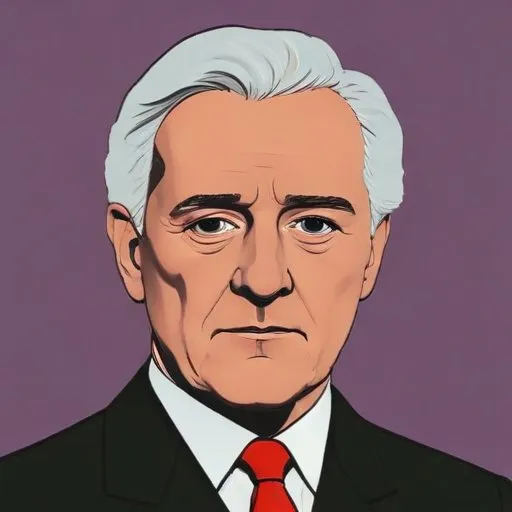
John Dillon: The Unwavering Champion of Irish Nationalism
A Lifetime of Devotion to Irish Home Rule
John Dillon, a stalwart figure in Irish politics, is revered for his tireless efforts to secure Irish Home Rule and champion the cause of Irish nationalism. For over three decades, he served as a Member of Parliament (MP), unwavering in his commitment to the Irish people and their quest for self-governance.
Early Life and Influences
Born in Blackrock, Dublin, on September 4, 1851, John Dillon was the son of John Blake Dillon, a prominent Young Irelander. Following the untimely death of his parents, he was raised by his father's niece, Anne Deane. Dillon's educational journey took him to Catholic University School, Trinity College Dublin, and the Catholic University of Louvain in Belgium. He later studied medicine at the Royal College of Surgeons in Dublin.
The Call to Politics
Dillon's foray into politics began in 1873, when he joined Isaac Butt's Home Rule League. His impassioned speech in 1879, criticizing Butt's parliamentary handling of Irish Home Rule, brought him to the forefront of Irish politics. His family's financial security enabled him to devote himself fully to politics, forsaking his medical career.
A Leading Figure in the Irish National Land League
Dillon became a prominent land reform agitator, spearheading the policy of boycotting advocated by Michael Davitt, with whom he shared a close friendship. In 1880, he was elected as the Member of Parliament for County Tipperary. As a strong supporter of
Charles Stewart Parnell, he accompanied him on a fundraising mission to the United States.
Radical Reformer and Prisoner of Conscience
Dillon's steadfast commitment to agrarian reform and Home Rule led to his arrest in 1881 under the Irish Coercion Act. Imprisoned alongside Parnell, William O'Brien, and others in Kilmainham, his resolve only strengthened. Upon his release, he continued to champion the cause of Irish nationalism, earning him the reputation of an "extremist."
Legacy and Impact
John Dillon's unwavering dedication to Irish nationalism paved the way for future generations of Irish leaders. His tireless efforts to secure Home Rule and his radical approach to land reform continue to inspire generations. As the last leader of the Irish Parliamentary Party, Dillon's legacy serves as a testament to the power of conviction and the importance of standing up for one's beliefs, even in the face of adversity.
Personal Milestones and Key Life Events
- 1851: Born in Blackrock, Dublin
- 1873: Joined Isaac Butt's Home Rule League
- 1879: Criticized Butt's parliamentary handling of Irish Home Rule
- 1880: Elected as Member of Parliament for County Tipperary
- 1881: Arrested under the Irish Coercion Act
- 1927: Passed away on August 4
Philosophical Contributions and Beliefs
Dillon's unwavering commitment to Irish nationalism was rooted in his belief that the Irish people had the right to self-governance. He advocated for radical land reform, recognizing the inherent injustices faced by Irish tenant farmers. His philosophy was deeply rooted in the principles of social justice and equality.
Influence on Modern Society
John Dillon's legacy extends far beyond his lifetime. His commitment to Irish nationalism paved the way for future generations of Irish leaders, including Éamon de Valera and
Michael Collins. His radical approach to land reform continues to inspire social and political change in Ireland and beyond.
FAQ
What was John Dillons role in Irish politics?
John Dillon was an Irish poet and politician who served as a Member of Parliament and leader of the Irish Parliamentary Party. He was a key figure in the fight for Irish Home Rule.
What was John Dillons stance on Home Rule?
John Dillon was a strong advocate for Irish Home Rule, believing that Ireland should have greater autonomy from the United Kingdom.
What was John Dillons relationship with Charles Stewart Parnell?
John Dillon was a close ally and friend of Charles Stewart Parnell, the leader of the Irish Parliamentary Party. He supported Parnell during the split in the party over Parnells leadership.
What recognition did John Dillon receive for his contributions?
John Dillon received widespread recognition for his contributions to the Irish independence movement, including his election as leader of the Irish Parliamentary Party.
What is John Dillons legacy in Irish history?
John Dillons legacy in Irish history is marked by his commitment to Irish Home Rule and his role in shaping the countrys fight for independence from the United Kingdom.