


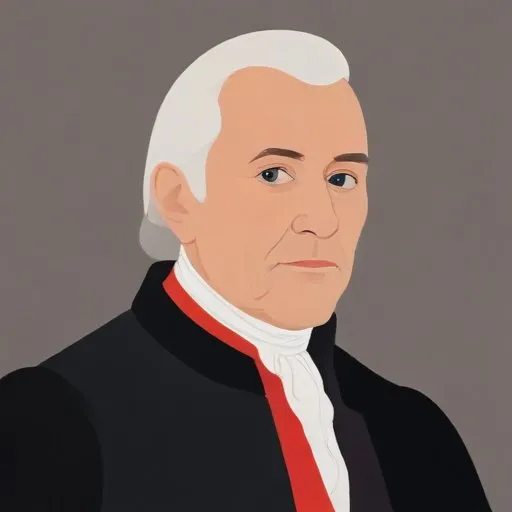
A prominent figure in the court of King Henry VIII, known for his diplomatic skills and involvement in the English Reformation. He played a key role in the annulment of Henry's marriage to Catherine of Aragon.
Sir John Gage was a prominent English courtier who served during the reign of Henry VII and Henry VIII, holding various esteemed positions, including Chancellor of the Duchy of Lancaster, Comptroller of the Household, and Constable of the Tower. He was a trusted advisor and played a significant role in shaping the politics of the Tudor period.
John Gage was born on October 28, 1479, at Burstow Manor in Surrey, and baptized on the same day at the parish church. He was the only son of William Gage and Agnes Bolney. In 1502, he married Philippa Guildford, daughter of Sir Richard Guildford, and they had eight children together.
Gage's illustrious career began as an Esquire of the Body to both Henry VII and Henry VIII. He served in various capacities, including Comptroller in the Pale of Calais, Vice-Chamberlain of the Household, and representative of Sussex in three parliaments. In 1525, he was knighted, and in 1526, he became Vice-Chamberlain of the Household. After a brief period away from court, he returned to favor and was appointed Comptroller of the Household, Constable of the Tower, and a Privy Counsellor in 1540.
As Constable of the Tower, Gage supervised the arrangements for the execution of Catherine Howard in 1542. He was also present at the baptism of Prince Edward and the funeral of Jane Seymour in 1537. In 1541, he became a Knight of the Garter, and in 1542, he succeeded as Chancellor of the Duchy of Lancaster.
Sir John Gage's remarkable career spanned over five decades, earning him a reputation as a trusted and skilled courtier. He played a significant role in shaping the Tudor period, and his legacy continues to be felt in English history. He died on April 18, 1556, leaving behind a testament to his dedication and service to the crown.
Although there are no direct quotes attributed to Sir John Gage, his actions and achievements speak volumes about his character and commitment to duty.
Sir John Gage's legacy extends beyond the Tudor period, influencing the development of English politics and governance. His service as a trusted advisor to two monarchs set a precedent for future courtiers, shaping the role of advisors in English politics.
Sir John Gage was appointed a Knight of the Garter in 1541, one of the highest honors bestowed upon a courtier during the Tudor period.
Sir John Gage's remarkable life and career serve as a testament to his dedication, skill, and loyalty to the crown. His legacy continues to fascinate historians and enthusiasts alike, offering a unique glimpse into the intrigue and politics of the Tudor period.
Born in 1457
First Tudor king of England, who ended the Wars of the Roses and established a strong, centralized government, bringing stability and prosperity to the country.
Born in 1239
Conqueror of Wales and hammer of the Scots, he strengthened the English monarchy and established parliamentary representation.
Born in 1926
The monarch of the United Kingdom and its Commonwealth realms, serving as a unifying figurehead and symbol of national identity, while also carrying out various ceremonial and charitable duties.
Born in 1478
A renowned Renaissance humanist and statesman who served as Lord Chancellor of England, famous for his literary work "Utopia" and his martyrdom for refusing to acknowledge the English monarch's supremacy over the Church.
