


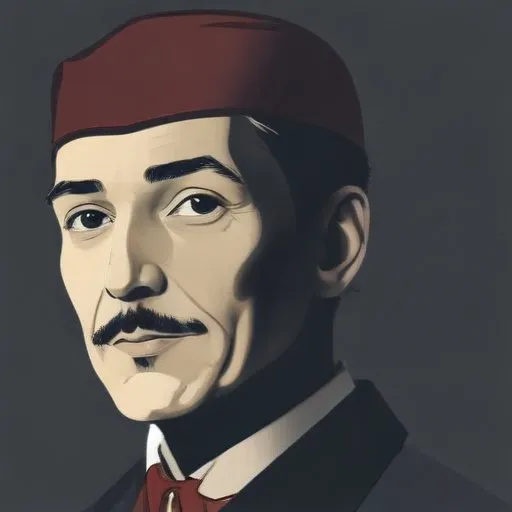
Pioneering physician and surgeon who made significant contributions to the development of modern surgical practices, particularly in the fields of orthopedic and neurological surgery.
John Light Atlee was a renowned American physician and surgeon who left an indelible mark on the medical field. He is best known for his instrumental role in establishing the American Medical Association (AMA) and serving as its president, cementing his position as a trailblazer in medical history.
Born on November 2, 1799, in Lancaster County, Pennsylvania, Atlee was the son of Colonel William Pitt Atlee. He pursued his passion for medicine at the University of Pennsylvania School of Medicine, graduating in 1820. After completing his studies, he opened a medical practice in Lancaster, where his exceptional surgical skills quickly gained recognition.
Atlee's dedication to the medical community led him to co-found the Lancaster County Medical Society in 1843 and the Pennsylvania State Medical Society in 1848. His most notable achievement, however, was his role in establishing the American Medical Association (AMA) in Philadelphia. He served as the AMA's vice president in 1868 and eventually became its president in 1882, a testament to his esteemed reputation in the medical fraternity.
In addition to his medical practice, Atlee was a professor of anatomy at Franklin and Marshall College, where a dormitory was later named in his honor. His commitment to education and medical advancement has left a lasting legacy in the field.
John Light Atlee's pioneering spirit, leadership, and commitment to medical excellence have had a profound impact on the development of the medical profession. His legacy continues to inspire generations of medical professionals, and his contributions to the American Medical Association remain a testament to his dedication to the field.
Atlee's remarkable life came to a close on October 1, 1885, in Lancaster, Pennsylvania, but his influence on the world of medicine will be remembered for years to come.
Born in 1849
A renowned physician and author who revolutionized medical education and practice with his emphasis on bedside learning and humane patient care. He's also known for his witty writings and insightful essays on medicine and life.
Born in 1869
Pioneering neurosurgeon who developed innovative surgical techniques and identified Cushing's disease, a hormonal disorder. He is also credited with establishing the field of neurosurgery as a distinct medical specialty.
Born in 1857
Pioneering researcher who isolated and characterized several hormones, including adrenaline, and developed the first successful treatment for diabetes. His work laid the foundation for modern endocrinology.
Born in 1851
Pioneering researcher who led the team that discovered the transmission of yellow fever, developing a vaccine and saving countless lives. His work laid the foundation for modern epidemiology and public health practices.
