


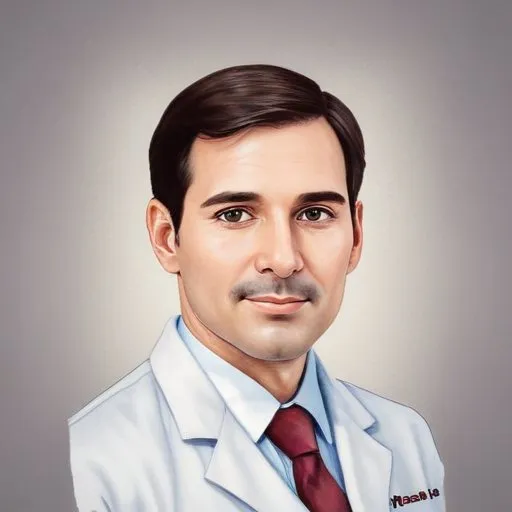
A renowned expert in blood cancers, particularly chronic myeloid leukemia, who pioneered life-saving treatments and founded the European School of Haematology.
John M. Goldman, a renowned British haematologist and oncologist, is best known for his groundbreaking research in leukaemia treatment and his instrumental role in the development of bone marrow transplantation as a clinical method. His work has had a profound impact on the medical community, leading to the development of life-saving treatments for patients suffering from chronic myeloid leukaemia.
Goldman was born on November 30, 1938, in London to Carl and Berthe Goldman, Jewish refugees from Nazi Germany. Despite facing challenges due to his Jewish background, Goldman excelled in his early years, attending the prestigious Westminster School and later studying psychology and physiology at Magdalen College, Oxford.
In 1971, Goldman joined the staff of Hammersmith Hospital, London, where he became a specialist in the treatment of chronic myeloid leukaemia. During the 1980s, he conducted some of the first bone marrow transplants in Europe, and developed precise molecular tests to detect minimal residual disease. His pioneering work in this field led to the development of targeted therapies, including the drug imatinib.
Goldman's contributions to medicine were recognized with numerous awards and honors, including the European Hematology Association's highest award, the EHA European Hematology Award. He was also elected a Fellow of the Royal College of Physicians and a Fellow of the Academy of Medical Sciences.
Goldman's work was not only driven by a passion for science, but also by a deep commitment to improving patient care. He believed in the importance of collaboration between researchers, clinicians, and patients, and was a strong advocate for increased funding for medical research.
Goldman's life was marked by adventure and a sense of humor. During his Oxford years, he embarked on a daring journey across Eurasia to reach India, where he and his friends were briefly arrested by the Iranian authorities. This experience, he later recalled, taught him the importance of thinking on his feet and staying calm under pressure.
Goldman's legacy extends far beyond his scientific contributions. He inspired a generation of researchers and clinicians, and his work has improved the lives of countless patients and families affected by leukaemia. His commitment to medical research and patient care serves as a testament to the power of compassion, dedication, and innovation.
Goldman's story serves as a powerful reminder of the impact one person can have on the world. His dedication to medical research and patient care has inspired countless individuals to pursue careers in science and medicine. His legacy continues to motivate and inspire new generations of researchers, clinicians, and patients.
Born in 1911
A decorated war hero who later became the Prime Minister of Australia, leading the country through a period of significant social and economic change. He's also known for his strong leadership style and commitment to Australian independence.
Born in 1915
A Nobel Prize-winning biologist and immunologist who made groundbreaking discoveries in tissue transplantation and immunology, leading to significant advancements in organ transplants and our understanding of the immune system.
