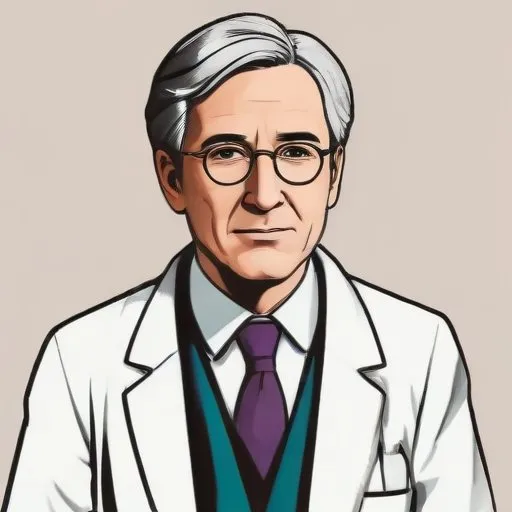
John Rogers: The Puritan Minister and Academic Icon of Early Colonial America
A Leader in Education and Ministry
John Rogers, a prominent Puritan minister and academic, left an indelible mark on early Colonial America. Known for his intellectual prowess, piety, and leadership, Rogers served as the President of Harvard College from 1682 until his untimely death in 1684.
Early Life and Education
Born on January 11, 1630, in Coggeshall, Essex, England, Rogers was the eldest son of minister Nathaniel Rogers. In 1636, he immigrated to New England with his family, settling in Cambridge, Massachusetts. Rogers earned his Bachelor of Arts degree from Harvard College in 1649, just seven years after the institution's founding. He furthered his studies, receiving his Master of Arts degree in 1652.
A Career of Faith and Learning
Rogers practiced medicine and assisted in the ministry of his brother-in-law, William Hubbard, a local historian and pastor in Ipswich, Massachusetts. He married Elizabeth Denison of Ipswich in 1660 and continued to develop his theological and academic pursuits.
Leadership and Legacy at Harvard College
Following the death of Urian Oakes in 1682, Rogers was appointed President of Harvard College, a position he held until his death two years later. Although not the first choice for the position, Rogers' sweet temperament, piety, and gentlemanly nature made him an accomplished leader.
Personal Qualities and Traits
Cotton Mather, a renowned Puritan minister and author, described Rogers as "sweet-tempered...genuinely pious and a accomplished gentleman given to long-winded daily prayers." American historian
Samuel Eliot Morison noted that Rogers would have made a successful president, had he lived longer.
Legacy and Impact
Rogers' brief but significant tenure at Harvard College left a lasting legacy. He played a crucial role in shaping the institution's early development, laying the groundwork for future generations of scholars and leaders. His commitment to education, faith, and community continues to inspire and influence American history.
Personal Milestones and Key Life Events
- 1630: Born in Coggeshall, Essex, England
- 1636: Immigrated to New England with his family
- 1649: Earned Bachelor of Arts degree from Harvard College
- 1652: Received Master of Arts degree
- 1660: Married Elizabeth Denison of Ipswich, Massachusetts
- 1682: Appointed President of Harvard College
- 1684: Died suddenly at the age of 54
A Lasting Impact on American History
John Rogers' remarkable life and legacy serve as a testament to the power of faith, education, and leadership. His contributions to Harvard College and the early American colonies continue to resonate, inspiring future generations to strive for excellence and virtue.
FAQ
What was John Rogers role in the English colonies?
John Rogers was an English-American minister, physician, and academic who played a significant role in the early history of the English colonies. He was a pioneer in the fields of medicine and education, making important contributions to the development of colonial America.
What was John Rogers educational background?
John Rogers received his education at Christ Church, Oxford, and later at the University of Cambridge. He was a fellow of Queens College, Cambridge, before immigrating to America.
How did John Rogers medical career shape the colonies healthcare?
John Rogers medical career was marked by innovation and dedication. He introduced new medical practices and treatments to the colonies, improving the overall quality of healthcare in early America.
What was John Rogers relationship like with the Native American population?
John Rogers had a complex and multifaceted relationship with the Native American population. While he was a product of his time and occasionally endorsed violent measures against native peoples, he also advocated for peaceful coexistence and learned from their cultural practices.
How is John Rogers remembered in American history?
John Rogers is remembered as a multifaceted figure who made significant contributions to the development of colonial America. His work in medicine, education, and religion helped shape the countrys early history and paved the way for future generations.