


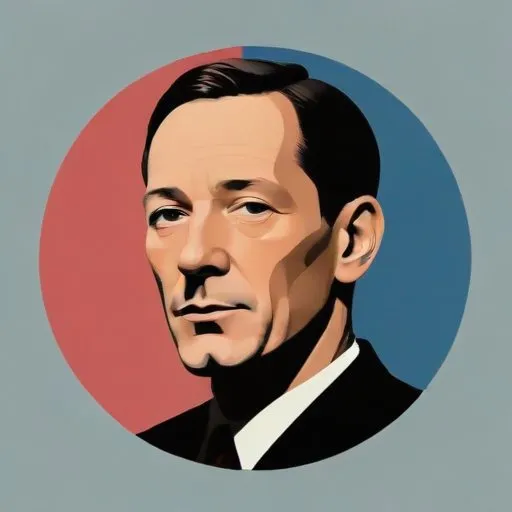
Documentary photographer capturing the lives of everyday Americans during the Great Depression and World War II, particularly through his work with the Farm Security Administration.
John Vachon was a world-traveling American photographer, best known for his poignant and evocative images that documented the plight of migrants during the Great Depression, and his contributions to Look magazine. As one of the most influential photographers of the 20th century, Vachon's work continues to inspire generations of photographers, artists, and social activists.
Born on May 19, 1914, in Saint Paul, Minnesota, John Vachon grew up in a middle-class Irish Catholic family. His parents, Ann Marie O'Hara and Harry Parnell Vachon, instilled in him a strong sense of social justice and compassion. Vachon's Catholic education and degree in English literature from the University of St. Thomas shaped his writing skills, which he would later combine with his passion for photography.
In 1936, Vachon joined the Farm Security Administration's (FSA) Historic Division, led by Roy Stryker, to document the lives of migrants and rural communities during the Great Depression. His photographs, taken across the United States, humanized the struggles of the working class and rural poor, revealing the dignity and resilience of those affected by the economic crisis.
Throughout his FSA tenure, Vachon wrote daily letters to his wife, Millicent "Penny" Leeper, and his mother, sharing his experiences, hopes, and fears. These letters offer a unique, personal perspective on the Great Depression, providing a glimpse into the lives of those affected and the photographer's own creative process.
In the 1940s and 1950s, Vachon worked as a freelance photographer, contributing to Look magazine and other publications. His photographs covered a wide range of topics, from politics and social issues to celebrity portraits and travel features. Vachon's versatility and skill earned him a reputation as one of the most respected photographers of his time.
Vachon's personal life was marked by both joy and tragedy. He married Millicent Leeper in 1938, and they had three children together. After Penny's death in 1960, Vachon married Marie Francoise Fourestier in 1961 and had two more children. Throughout his life, Vachon's photography remained a testament to his commitment to social justice and his ability to capture the human experience.
John Vachon's photography has inspired generations of artists, photographers, and social activists. His work has influenced the development of documentary photography and has contributed to a greater understanding of the human experience during times of crisis. Vachon's legacy continues to inspire new generations of creatives, ensuring that his photographs remain a powerful force for social change.
 FSA photograph, 1937
 Look magazine, 1955
John Vachon's photographs are a testament to his extraordinary talent, compassion, and dedication to capturing the human experience. As we reflect on his life and work, we are reminded of the power of photography to inspire, educate, and empower us to create positive change in the world.
Born in 1895
Documented the lives of those affected by the Great Depression and the Dust Bowl through powerful, poignant photographs that humanized the struggles of the era. Captured iconic images that shaped the national conversation around poverty and social justice.
Born in 1903
Documenting everyday American life through poignant and influential photographs, capturing the essence of the Great Depression and post-war era.
Born in 1912
A pioneering African American photographer and filmmaker who captured the lives of marginalized communities, exposing social injustices through powerful, poignant images.
Born in 1915
Pioneering documentary photographer and educator who captured the struggles of the Great Depression and Dust Bowl, shaping the way Americans understood poverty and rural life.
Born in 1907
A pioneering photojournalist capturing iconic images of World War II, the Great Depression, and major historical events, telling stories through powerful, evocative photographs.
Born in 1910
Documented rural America during the Great Depression and World War II through poignant photographs that humanized the lives of everyday people.
Born in 1898
A pioneering artist who blended social realism with modernist techniques to create powerful, often provocative works that explored the human condition, particularly in the context of social justice and politics.
Born in 1898
Pioneering photographer capturing urban landscapes and portraits, particularly in New York City, with a unique perspective and style that influenced generations of photographers.
