


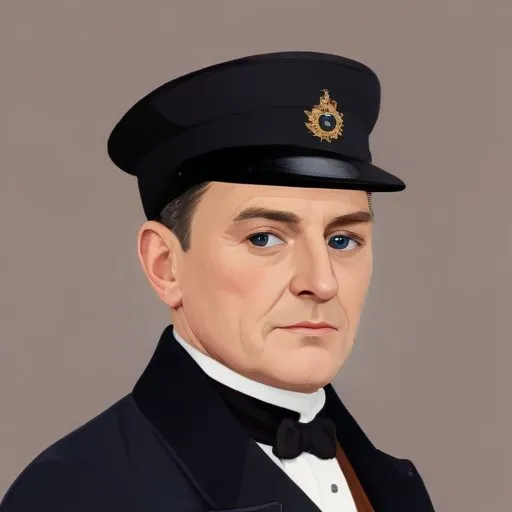
A medieval English nobleman who held significant power and influence in the 14th century, known for his involvement in the Hundred Years' War and his role in the English peerage.
John de Mowbray, 3rd Baron Mowbray, was a prominent English nobleman and military leader who played a significant role in the Hundred Years' War. As a loyal supporter of King Edward III, he was known for his bravery and strategic prowess on the battlefield, earning him the respect and admiration of his peers.
John de Mowbray was born around 1310, the son of John de Mowbray, 2nd Baron Mowbray, and Alice de Brewes. From a young age, he was groomed for a life of service and loyalty to the crown. In 1327, he succeeded his father as Baron Mowbray, and soon after, he became a close advisor to King Edward III.
Throughout his life, John de Mowbray participated in several military campaigns, including the Battle of Crécy in 1346 and the Battle of Calais in 1347. His martial skills and strategic thinking earned him great acclaim, and he was showered with rewards and honors for his service. In 1348, he was appointed as one of the captains of the army in France, a testament to his growing reputation as a skilled military leader.
Beyond his military exploits, John de Mowbray was a devoted family man and patron of the arts. He married Maud de Holand, a descendant of the Earl of Kent, and had several children with her. He was also a generous patron of the arts, supporting various literary and artistic endeavors throughout his life.
As a champion of chivalry and knighthood, John de Mowbray was instrumental in promoting the ideals of honor, loyalty, and courtesy. He founded the Order of the Garter, a prestigious chivalric order that aimed to promote these values among the nobility. His commitment to these ideals earned him the respect and admiration of his contemporaries.
John de Mowbray's life and legacy are inseparable from the tumultuous history of medieval England. As a loyal supporter of King Edward III, he played a significant role in shaping the course of the Hundred Years' War. His military campaigns, strategic thinking, and patronage of the arts left an indelible mark on the era in which he lived.
Despite his many achievements, John de Mowbray's life was not without controversy. He was involved in various disputes with the Church and faced accusations of misconduct. However, his commitment to his ideals and his unwavering loyalty to the crown ultimately redeemed him in the eyes of his contemporaries.
John de Mowbray's remarkable life and legacy serve as a testament to the enduring power of loyalty, honor, and chivalry. As a champion of these ideals, he left an indelible mark on the history of medieval England, inspiring generations to come.
© 2023 Penelope Wildwood
Born in 1284
The king whose disastrous reign led to his eventual deposition and mysterious death, remembered for his alleged homosexual relationships and power struggles with nobles.
Born in 1340
A powerful and wealthy medieval English nobleman, known for his immense influence on English politics and his role in the Hundred Years' War. He was also a patron of the arts and a founder of Trinity College, Cambridge.
Born in 1367
The last king of the House of Plantagenet, deposed in a coup, known for his extravagance and tyranny, leading to his downfall and the rise of the Lancastrian dynasty.
Born in 1133
King of England from 1154 to 1189, known for establishing a strong centralized government, reforming the English church, and his tumultuous relationships with Thomas Becket and his sons.
Born in 1386
Led a victorious English army in the Battle of Agincourt, a major English victory in the Hundred Years' War, and was a popular king who strengthened the English monarchy.
Born in 1133
King of England from 1154 to 1189, known for establishing a strong centralized government, reforming the English church, and his tumultuous relationships with Thomas Becket and his sons.
Born in 1284
The king whose disastrous reign led to his eventual deposition and mysterious death, remembered for his alleged homosexual relationships and power struggles with nobles.
Born in 1367
The last king of the House of Plantagenet, deposed in a coup, known for his extravagance and tyranny, leading to his downfall and the rise of the Lancastrian dynasty.
