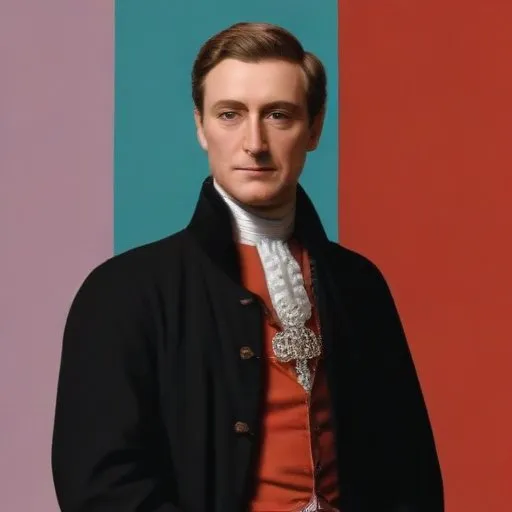
John de Mowbray, 3rd Duke of Norfolk: The Power Broker of the Plantagenet Era
A Central Figure in Medieval English Politics
John de Mowbray, 3rd Duke of Norfolk, is renowned for his pivotal role in shaping the course of English history during the tumultuous 15th century. As a powerful nobleman, military leader, and strategist, he navigated the treacherous waters of Plantagenet politics with remarkable finesse, leaving an indelible mark on the fate of the English monarchy.
Rise to Prominence
Born in 1415, John de Mowbray was the son of John de Mowbray, 2nd Duke of Norfolk, and Lady Katherine Neville. His family's extensive network of alliances and his own martial prowess soon propelled him to the forefront of English politics. In 1432, he succeeded his father as the 3rd Duke of Norfolk, inheriting a vast estate and significant influence at court.
A Seasoned Military Commander
De Mowbray's military acumen earned him recognition as a seasoned commander. He fought alongside King Henry VI in the Hundred Years' War, distinguishing himself in battles such as the Siege of Calais (1436) and the Battle of Verneuil (1424). His military prowess and strategic counsel were highly valued by the monarch, who appointed him as a member of the Royal Council in 1443.
Influence and Intrigue at Court
As a prominent figure at court, de Mowbray was embroiled in the complex web of alliances and rivalries that defined the Plantagenet era. He played a key role in mediating the power struggle between King Henry VI and the Duke of Gloucester, ultimately contributing to the duke's downfall in 1447. De Mowbray's own influence, however, was not without controversy. He was accused of involvement in the plot to assassinate the Duke of Gloucester, further fuelling the animosity between the rival noble families.
Legacy and Impact
John de Mowbray's life and legacy are inextricably linked to the tumultuous century in which he lived. His shrewd political maneuvering, military prowess, and cunning diplomacy helped shape the course of English history, earning him a reputation as one of the most formidable noblemen of his time. Despite the controversies surrounding his actions, his contributions to the English monarchy and the nation's military endeavors remain undeniable.
- Notable Titles and Honors: 3rd Duke of Norfolk, Earl of Nottingham, Earl Marshal of England
- Military Campaigns: Hundred Years' War, Siege of Calais (1436), Battle of Verneuil (1424)
- Court Appointments: Member of the Royal Council (1443), Lord High Steward of England (1455)
- Personal Life: Married to Eleanor Bourchier, with whom he had three children
Historical Context and Legacy
John de Mowbray, 3rd Duke of Norfolk, lived during a period of immense upheaval, as the Plantagenet dynasty struggled to maintain its grip on power. His life serves as a testament to the intricate web of alliances, rivalries, and power struggles that defined medieval English politics. As a master strategist and skilled diplomat, de Mowbray navigated the treacherous landscape of the royal court, securing his place as one of the most influential figures of his time.
Trivia and Fun Facts
- John de Mowbray's coat of arms featured the motto "Bene Est Bewar," meaning "It is good to be wary."
- He was known for his extravagant spending, earning him the nickname "the Magnificent."
- De Mowbray's family, the Mowbrays, held significant influence in England for over three centuries.
FAQ
Who was John de Mowbray, 3rd Duke of Norfolk?
John de Mowbray, 3rd Duke of Norfolk, was an English nobleman and politician who lived during the 15th century, playing a significant role in the Wars of the Roses.
What was John de Mowbrays role in the Wars of the Roses?
John de Mowbray supported the House of York during the Wars of the Roses, fighting alongside King Edward IV at the Battle of Towton in 1461.
Did John de Mowbray hold any notable titles?
Yes, John de Mowbray held the titles of 3rd Duke of Norfolk, Earl of Nottingham, and Earl Marshal of England.
What was John de Mowbrays family like?
John de Mowbray was a member of the Mowbray family, a prominent noble family in England during the Middle Ages. He was the son of John de Mowbray, 2nd Duke of Norfolk, and Elizabeth Talbot.
What is John de Mowbrays legacy?
John de Mowbrays legacy is marked by his significant role in the Wars of the Roses and his familys continued influence in English politics during the 15th and 16th centuries.