


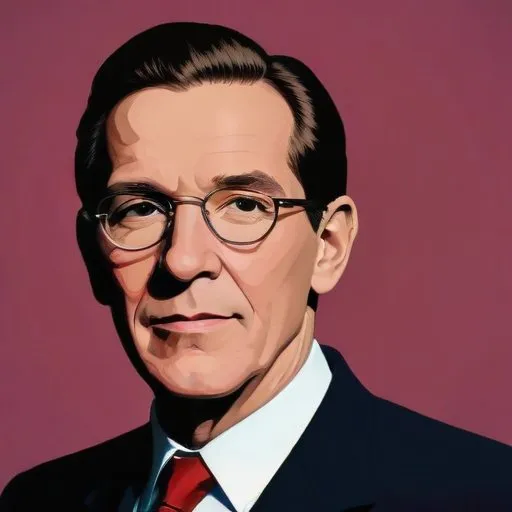
A prominent figure in the Reconstruction Era, he served as a minister and politician, advocating for civil rights and education for African Americans. He played a crucial role in shaping the post-Civil War South.
Following their father's death in 1831, the brothers left school to support their ailing mother and earn a living. Jonathan Clarkson Gibbs apprenticed to a carpenter, eventually converting to Presbyterianism alongside his brother. The Presbyterian assembly recognized Gibbs' potential, providing financial support for him to attend Kimball Union Academy in Meriden, New Hampshire.
As a respected leader in the African American community, Gibbs was appointed as Secretary of State of Florida in 1868, a position he held until 1872. During his tenure, he worked tirelessly to promote education, championing the establishment of public schools and institutions for African Americans. Gibbs also played a crucial role in shaping Florida's Reconstruction politics, working alongside Governor Harrison Reed to push for civil rights and social justice.
Born in 1858
A pioneering leader who championed progressive reforms, trust-busting, and conservation, earning a Nobel Peace Prize for mediating the Russo-Japanese War. He's also famous for his rugged outdoorsmanship and "big stick" diplomacy.
Born in 1857
The 27th President of the United States was a lawyer and jurist who served as the only person to hold the offices of President and Chief Justice of the United States. He's known for his significant contributions to the country's judicial system.
Born in 1856
The 28th President of the United States, a Nobel Peace Prize winner, and a historian who played a key role in shaping international relations and global governance after World War I. He's most known for his idealistic vision of a League of Nations and his efforts to promote peace and diplomacy.
Born in 1865
The 29th President of the United States, a journalist-turned-politician, led the country through a period of post-war prosperity and scandalous corruption. He's infamous for his administration's numerous scandals and his own extramarital affairs.
Born in 1872
The 30th President of the United States, a lawyer and politician, led the country through a period of economic prosperity and limited government intervention, earning the nickname "Silent Cal" for his frugal and humble nature. He's most known for his minimalist approach to governance and tax cuts.
Born in 1874
The 31st President of the United States was a humanitarian and politician who led the country through the Great Depression and is known for his humanitarian efforts and infrastructure development. He's also infamous for his inability to mitigate the economic crisis.
Born in 1882
Led the United States through the Great Depression and World War II, implementing a series of reforms known as the New Deal and helping to establish the country as a global superpower.
Born in 1884
The 33rd President of the United States, a strong leader who made tough decisions, including dropping atomic bombs on Japan and establishing the Marshall Plan to rebuild Europe after WWII.
