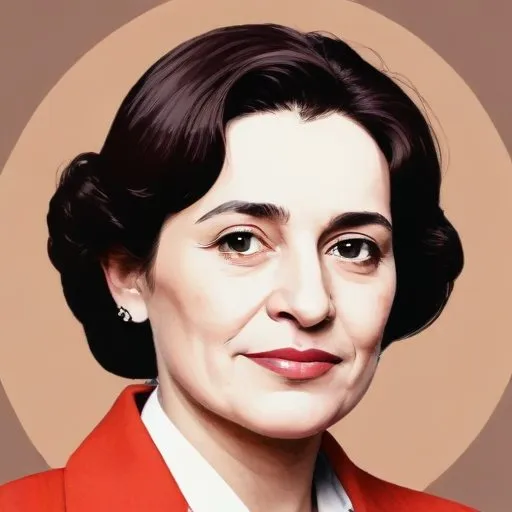
Jos Hernndez: The Celebrated Author of Martn Fierro
A Legacy Born in the Argentine Pampas
Jos Hernndez, a renowned Argentine journalist, poet, and politician, is best known for his iconic epic poem, Martn Fierro. This masterpiece of gauchesque literature has cemented Hernndez's status as one of the most celebrated figures in Argentine cultural history. His birthday, November 10th, is even honored as a national holiday in Argentina, aptly named Tradition Day.
Early Life and Influences
Born on November 10, 1834, in Chacras del Perdriel, Buenos Aires Province, Hernndez was raised on a cattle ranch, where his father served as majordomo. This rural upbringing instilled in him a deep appreciation for the Argentine Pampas and its people. His ancestry was Spanish, and his family's history was marked by a strong connection to the land and its heritage.
A Life of Politics and Literature
Hernndez's career was a unique blend of politics, journalism, and literature. He actively participated in the civil wars of Argentina and Uruguay, taking sides with the Federal forces. He also worked as a newspaperman, stenographer, and even spent a brief stint as an employee of a commercial firm. Amidst these profession pursuits, he nurtured his passion for writing, eventually founding the newspaper El Ro de la Plata.
A Visionary Federalist
Through his writings, Hernndez advocated for local autonomy, the abolition of conscripted frontier contingents, and the election of justices of the peace, military commanders, and school boards. He envisioned a federal republic built on pastoralism, with a strong emphasis on education and literacy. His ideals often put him at odds with the centralizing tendencies of Argentine president Domingo Sarmiento, yet he refused to condone the authoritarian rule of General
Juan Manuel de Rosas.
The Epic Poem That Secured His Legacy
Martn Fierro, published in two parts in 1872 and 1879, is Hernndez's magnum opus. This sweeping epic poem tells the story of a gaucho's struggles and triumphs in the Argentine Pampas. The work's rustic charm, coupled with its themes of love, honor, and loyalty, has captivated readers for generations.
Later Life and Passing
Hernndez's later years were marked by exile in Brazil following the defeat at the battle of Aemb in 1870. He eventually returned to Argentina, where he died of heart disease on October 21, 1886, in Belgrano, a suburb of Buenos Aires. He was laid to rest in La Recoleta Cemetery.
A Lasting Impact on Argentine Culture
Jos Hernndez's contributions to Argentine literature and politics continue to resonate today. His work has inspired generations of writers, poets, and thinkers, solidifying his place as a national hero. As Argentina celebrates Tradition Day on November 10th, the nation honors not only Hernndez's remarkable life but also the enduring legacy of Martn Fierro.
- Martn Fierro, the epic poem that cemented Hernndez's status as a literary icon.
- El Ro de la Plata, the newspaper founded by Hernndez, advocating for local autonomy and pastoralism.
- Tradition Day, celebrated on November 10th, commemorating Hernndez's birthday and contributions to Argentine culture.
FAQ
What is José Hernándezs most notable literary work?
José Hernández is an Argentine journalist, poet, and politician, best known for his epic poem Martín Fierro, considered a national classic in Argentina.
What is José Hernándezs role in Argentine politics?
José Hernández was a prominent figure in Argentine politics, serving as a senator and governor, and was a key leader in the countrys Liberal Party.
How does José Hernándezs work reflect his cultural heritage?
José Hernándezs writing often explores themes related to Argentine identity, folklore, and the gaucho tradition.
Has José Hernández received any notable awards or recognition?
José Hernández has been recognized for his literary and political achievements, including being awarded the National Literature Prize of Argentina.
Is José Hernández still widely studied in Argentine schools?
Yes, José Hernándezs work remains a staple of Argentine literature and is still widely taught in schools throughout the country.