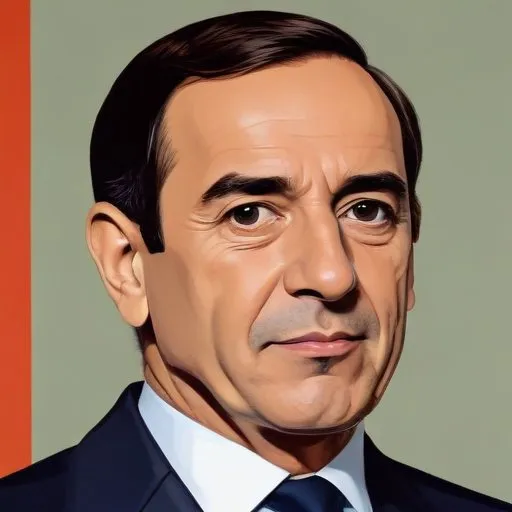
José Luis Rodríguez Zapatero: The Architect of Modern Spain
A Champion of Progress and Reform
José Luis Rodríguez Zapatero is renowned for his transformative leadership as the Prime Minister of Spain, serving two consecutive terms from 2004 to 2011. During his tenure, he implemented sweeping reforms, heralding a new era of social progress, economic growth, and international cooperation.
Early Life and Family Background
Born on August 4, 1960, in Valladolid, Castile and León, Zapatero grew up in León, where his family originated. His paternal grandfather, Juan Rodríguez y Lozano, was a captain in the Spanish Republican Army and was executed by
Francisco Franco's Nationalist forces during the Spanish Civil War. This family legacy instilled in Zapatero a deep commitment to democracy and social justice.
Rise to Prominence
Zapatero's political career began in the 1980s, when he joined the Spanish Socialist Workers' Party (PSOE). He quickly rose through the ranks, becoming the party's General Secretary in 2000. In 2004, he led the PSOE to a stunning electoral victory, defeating the incumbent government and becoming the Prime Minister of Spain at the age of 43.
Legislative Achievements
Zapatero's administration was marked by a flurry of legislative reforms, aimed at modernizing Spain and promoting social justice. Some of his notable achievements include:
- Withdrawal of Spanish troops from the Iraq War
- Normalization of Spain's presence in Afghanistan
- Legalization of same-sex marriage in Spain
- Reform of abortion law
- Peace negotiations with ETA, leading to the eventual end of ETA terrorism
- Strengthening of tobacco restrictions
- Reform of various autonomous statutes, particularly the Statute of Catalonia
Philosophical Contributions and Beliefs
Zapatero's political ideology is rooted in social democracy and progressive values. He has been a vocal advocate for human rights, civil liberties, and environmental protection. His commitment to the Alliance of Civilizations, a UN-backed initiative, reflects his belief in the importance of intercultural dialogue and cooperation in fostering global peace and understanding.
Personal Milestones and Key Life Events
Zapatero's personal life has been marked by significant events that have shaped his politics and worldview. The execution of his paternal grandfather during the Spanish Civil War had a profound impact on his commitment to democracy and human rights. His mother, María de la Purificación Zapatero Valero, passed away in 2000, and Zapatero has often spoken about the influence she had on his values and principles.
Controversies and Public Perception
Zapatero's premiership was not without controversy. Critics accused him of being overly accommodating to Catalan nationalism, and his handling of the economic crisis was criticized by some as inadequate. However, his commitment to social justice, human rights, and European integration has earned him widespread respect and admiration.
Legacy and Impact on Modern Spain
José Luis Rodríguez Zapatero's legacy is one of transformation and modernization. He has left an indelible mark on Spanish politics, social policy, and international relations. His commitment to progressive values and human rights has inspired a new generation of Spanish leaders and citizens, ensuring that his impact will be felt for years to come.
FAQ
What are José Luis Rodríguez Zapateros most notable accomplishments as Prime Minister of Spain?
As Prime Minister of Spain, José Luis Rodríguez Zapatero introduced several significant reforms, including the legalization of same-sex marriage and the withdrawal of Spanish troops from Iraq.
What is José Luis Rodríguez Zapateros stance on social issues?
José Luis Rodríguez Zapatero has been an advocate for progressive social policies, including the expansion of abortion rights and the promotion of gender equality.
What are José Luis Rodríguez Zapateros views on economic policy?
José Luis Rodríguez Zapatero has advocated for a mixed economy approach, with a focus on promoting economic growth and reducing inequality.
What are José Luis Rodríguez Zapateros contributions to European politics?
José Luis Rodríguez Zapatero has been an influential figure in European politics, playing a key role in shaping the European Unions policies on issues such as immigration and economic integration.
What is José Luis Rodríguez Zapateros legacy in Spanish politics?
José Luis Rodríguez Zapatero has left a lasting legacy in Spanish politics, known for his progressive policies and his commitment to social justice.