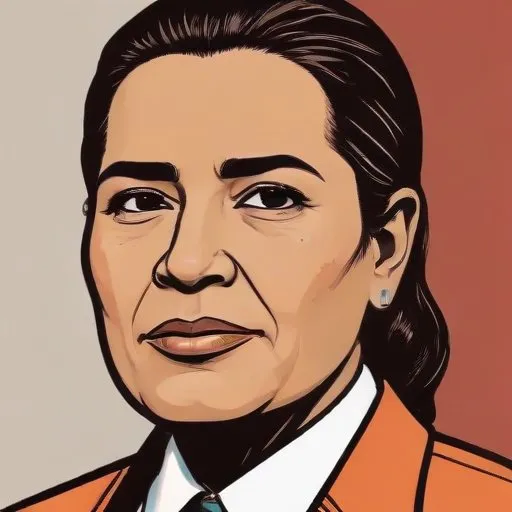
Jos Napolen Duarte: The Turbulent Life of El Salvador's President
A Life of Politics and Controversy
Jos Napolen Duarte, the former President of El Salvador, is best known for his tumultuous presidency from 1984 to 1989, marked by a brutal civil war and alleged human rights abuses. As a prominent figure in Salvadoran politics, Duarte's life was marked by periods of triumph and turmoil, shaping the course of his country's history.
Early Life and Education
Born on November 23, 1925, in Santa Ana, El Salvador, Duarte grew up in a modest family and developed a strong sense of justice from an early age. He participated in the 1944 protests that overthrew the dictatorial regime of President Maximiliano Hernández Martínez, demonstrating his willingness to challenge authority. Later, he pursued higher education in the United States, graduating with a degree in engineering from the University of Notre Dame in 1948.
Rise to Power
Duarte's political career began in 1960 as a founding member and Secretary General of the Christian Democratic Party (PDC), seeking a middle ground between the extreme right and left. He served as Mayor of San Salvador from 1964 to 1970, implementing various infrastructure projects and modernizing the city. In 1972, he ran for president but lost in an election widely regarded as fraudulent.
Civil War and Presidency
Following a coup d'état in 1979, Duarte led the subsequent civil-military junta from 1980 to 1982. He was eventually elected president in 1984, defeating Roberto d'Aubuisson, the leader of the right-wing ARENA party. During his presidency, Duarte faced intense opposition from both the left and right, leading to a brutal civil war that claimed thousands of lives. The Reagan Administration and the Central Intelligence Agency (CIA) supported his government, but human rights abuses and massacres by the military and affiliated death squads marred his presidency.
Personal Life and Legacy
Duarte married his childhood sweetheart, María Inés Durán, and had six children with her. He was a devout Catholic and believed in the importance of faith in public life. Despite his controversial legacy, Duarte remains an important figure in Salvadoran politics, with some praising his efforts to modernize the country and others condemning his role in the civil war.
Controversies and Criticisms
Duarte's presidency was marked by allegations of human rights abuses, corruption, and cronyism. His government was accused of supporting death squads and perpetuating violence against civilians. Critics argue that he failed to address the root causes of the civil war and instead exacerbated the conflict.
Impact on Modern Society
Duarte's presidency had a profound impact on modern Salvadoran society. The civil war led to a massive displacement of people, both internally and externally, and the country still struggles with poverty, inequality, and gang violence. However, Duarte's presidency also saw the implementation of some social and economic reforms, such as the establishment of a national minimum wage and the creation of a state-owned banking system.
Legacy and Comparative Analysis
Duarte's legacy is complex and multifaceted. While he is often criticized for his role in the civil war, he is also credited with modernizing El Salvador's infrastructure and promoting economic development. When compared to other Latin American leaders of the time, such as Nicaragua's Anastasio Somoza, Duarte's presidency was marked by a more nuanced approach to politics, though ultimately tainted by similar allegations of human rights abuses.
Personal Relationships and Anecdotes
Duarte was known for his charisma and charm, earning him many allies and friends throughout his political career. One anecdote recounts how he once intervened to save the life of a young journalist who was about to be executed by a death squad.
Trivia and Fun Facts
- Duarte was a skilled engineer and designed several infrastructure projects in El Salvador.
- He was a devout Catholic and often incorporated religious rhetoric into his political speeches.
- Duarte's government was the first in El Salvador to establish diplomatic relations with the Soviet Union.
Inspirational Stories and Motivations
Despite the controversy surrounding his presidency, Duarte's life serves as a reminder of the importance of perseverance and determination. His rise from humble beginnings to the presidency is an inspiration to many, demonstrating that even in the face of adversity, individuals can shape their own destiny.
Visual Timeline and Milestones
| Year |
Event |
| 1925 |
Born in Santa Ana, El Salvador |
| 1944 |
Participated in protests that overthrew President Maximiliano Hernández Martínez |
| 1948 |
Graduated from the University of Notre Dame with a degree in engineering |
| 1960 |
Founded the Christian Democratic Party (PDC) |
| 1972 |
Ran for president but lost in a fraudulent election |
| 1984 |
Elected president of El Salvador |
| 1989 |
Left office as president |
| 1990 |
Died on February 23 |
Conclusion
Jos Napolen Duarte's life was a complex tapestry of politics, controversy, and turmoil. While his presidency was marked by brutal violence and human rights abuses, it is also a testament to the enduring power of human resilience and determination. As a figure of immense importance in Salvadoran history, Duarte's legacy continues to shape the country's political landscape, serving as a reminder of the importance of accountability and responsibility in public life.