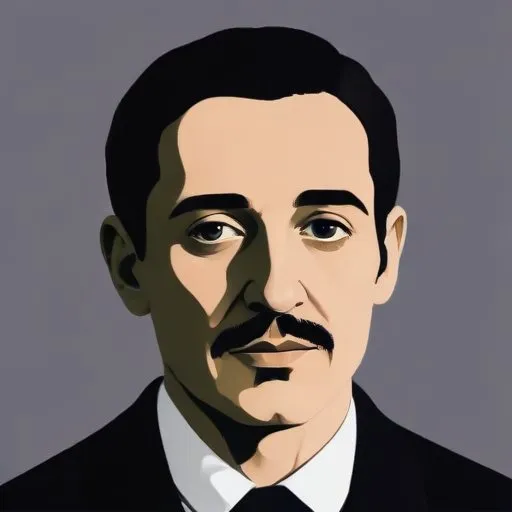
Joseph Autran: The French Poet of the Sea and Rural Life
Early Life and Inspiration
Joseph Autran, a French poet, was born on June 20, 1813, in Marseille, France. He is renowned for his vivid poetry that often explored the themes of the sea, rural life, and the human experience.
La Mer and Ludibria Ventis: Autran's Breakthrough
Autran's most celebrated work,
La Mer, was first published in 1835 and later revised in 1852 as
Les Poèmes de la mer. This collection of poems is a testament to his fascination with the ocean and its mysteries. His subsequent work,
Ludibria Ventis (1838), solidified his reputation as a master poet. These two volumes earned him the librarianship of his native town, Marseille.
Influence of Alphonse de Lamartine and Franz Liszt
Autran's poetry was heavily influenced by
Alphonse de Lamartine, a famous French poet, who recognized Autran's talent and encouraged him to pursue his passion. In 1844, Autran met the Hungarian composer
Franz Liszt, who set four of Autran's poems to music in his cycle,
Les Quatre Éléments. This collaboration showcases Autran's ability to inspire artists across genres.
Exploring Rural Life and Algerian Campaigns
Autran's
Vie Rurale (1856) is a poignant portrayal of peasant life, offering a glimpse into the everyday struggles and triumphs of rural France. His poetry also responded to the Algerian campaigns, honoring the common soldier and the bravery of the French military.
Milianah (1842) commemorates the heroic defense of the town, while
Laboureurs et Soldats (1854) celebrates the valor of those who fought.
Diverse Works and Academic Recognition
Autran's oeuvre encompasses a range of genres and themes, including the Paroles de Salomon (1868),
Ptères Rustiques (1861), and
Sonnets Capricieux. His tragedy,
, enjoyed great success at the Odéon Theatre in 1848. In 1868, Autran became a member of the prestigious Académie française, a testament to his significant contribution to French literature.
Legacy and Definitive Edition
Between 1875 and 1881, a definitive edition of Autran's works was published, ensuring his poetry would be remembered for generations to come. Joseph Autran passed away on March 6, 1877, in Marseille, leaving behind a rich legacy of poetry that continues to captivate readers with its lyricism and depth.
Select Works
- Le Départ pour l'Orient (1832) - ode to Alphonse de Lamartine
- La Mer (1835) - poems
- Ludibria Ventis (1838) - poems
- Milianah (1842) - poem
- La Vie Rurale (1856) - tableaux and récits
- Les Poèmes de la Mer (1852) - revised edition
- Laboureurs et Soldats (1854) - poem
Autran's poetry is a treasure trove of vivid imagery, exploring the human experience through the lens of the sea and rural life. His legacy as a poet and writer continues to inspire and captivate readers to this day.
FAQ
What were the main themes in the poetry of Joseph Autran?
The main themes in the poetry of Joseph Autran include the beauty of nature, the importance of love and friendship, and the struggle for social justice. His poetry is characterized by its lyricism and musicality.
What was the significance of Joseph Autrans poetry in the French literary scene?
Joseph Autrans poetry was significant in the French literary scene because it helped to establish him as one of the leading poets of his generation. His work was widely admired by critics and readers alike.
What were the influences on Joseph Autrans poetry?
The influences on Joseph Autrans poetry include the works of Romantic poets such as Victor Hugo and Alfred de Musset, as well as the folk poetry of the Middle Ages. He was also influenced by his own experiences and observations of the world around him.
How did Joseph Autrans poetry reflect his personality and character?
Joseph Autrans poetry reflects his personality and character through its sincerity, simplicity, and emotional depth. His poetry is characterized by its honesty and directness, and it provides a window into his thoughts and feelings.
What was the significance of Joseph Autrans use of imagery and symbolism in his poetry?
Joseph Autrans use of imagery and symbolism in his poetry helped to create a rich and evocative language that added depth and complexity to his themes and ideas. His imagery is often vivid and sensual, and his symbolism is often subtle and suggestive.