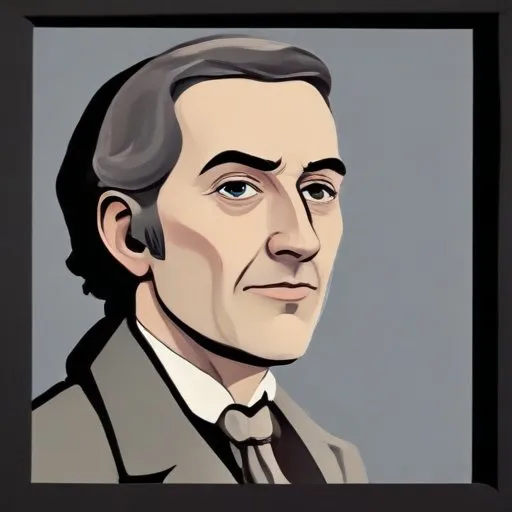
Joseph Wilton: The Celebrated English Sculptor
A Legacy in Stone
Joseph Wilton was a renowned English sculptor, best known for his exquisite works that adorn Westminster Abbey, memorializing some of Britain's most iconic figures. As a founding member of the Royal Academy in 1768, Wilton's contributions to the art world are still revered today.
Early Life and Training
Born on July 16, 1722, in the Charing Cross area of London, Wilton was the son of an ornamental plasterer. His father had envisioned a career in civil engineering for Joseph, but the young Wilton had other plans. He was drawn to sculpture, and his father's connections in the art world helped him secure training under Laurent Delvaux in Nivelles, Belgium.
Wilton's talent and dedication earned him a spot at the Academy in Paris, where he studied under the guidance of Jean-Baptiste Pigalle. In 1752, he embarked on a seven-year journey to Italy, accompanied by his friend and fellow sculptor, Louis-François Roubiliac. During this time, he honed his skills in marble sculpture and developed a deep appreciation for classical antiquities.
Rise to Prominence
Upon his return to England in 1755, Wilton's reputation as a skilled sculptor spread quickly. He was appointed co-director of the Richmond House gallery, where he worked alongside the architect William Chambers. His workshop flourished, and he began receiving commissions for busts and monuments from esteemed patrons.
Notable Works
- A marble bust of Antonio Cocchi, created in 1755, is considered one of Wilton's most distinguished works and is now part of the Victoria and Albert Museum's collection.
- Wilton's memorial to James Thomson, the poet, in Westminster Abbey is a testament to his skill in capturing the essence of his subjects.
Influence and Legacy
Joseph Wilton's impact on British art and architecture is undeniable. As the third keeper of the Royal Academy, he played a vital role in shaping the institution's direction. His works continue to inspire and educate, serving as a testament to his dedication to his craft.
Wilton's legacy extends beyond his art, having influenced a generation of sculptors and artists. His commitment to preserving classical antiquities and promoting the arts has left an indelible mark on British cultural heritage.
Awards and Honors
- Founding member of the Royal Academy (1768)
- Third keeper of the Royal Academy
Joseph Wilton's remarkable life and body of work serve as a reminder of the power of dedication, passion, and creativity. His art continues to captivate audiences, ensuring his legacy as one of England's most celebrated sculptors.
FAQ
What was Joseph Wiltons contribution to English art?
Joseph Wilton was a prominent English sculptor and academic, known for his contributions to the development of Neoclassicism in English art. His work, characterized by its classical elegance and refinement, is considered some of the finest of the 18th century.
How did Joseph Wiltons training shape his artistic style?
Joseph Wiltons training in Rome and London had a profound impact on his artistic style. He was influenced by the classical tradition and the works of Michelangelo, which are reflected in his sculptures and architectural designs.
What is the significance of Joseph Wiltons public monuments?
Joseph Wiltons public monuments are significant because they reflect his mastery of classical forms and his ability to create works that are both aesthetically pleasing and emotionally powerful. His monuments can be found in prominent locations throughout England.
How did Joseph Wiltons academic career shape his life?
Joseph Wiltons academic career had a profound impact on his life. He was a devoted teacher and scholar, and his work as a professor of sculpture at the Royal Academy helped to shape the next generation of English artists.
What is Joseph Wiltons place in English art history?
Joseph Wilton holds a significant place in English art history. As a sculptor, academic, and advocate for the arts, he played a crucial role in shaping the development of English art during the 18th century.