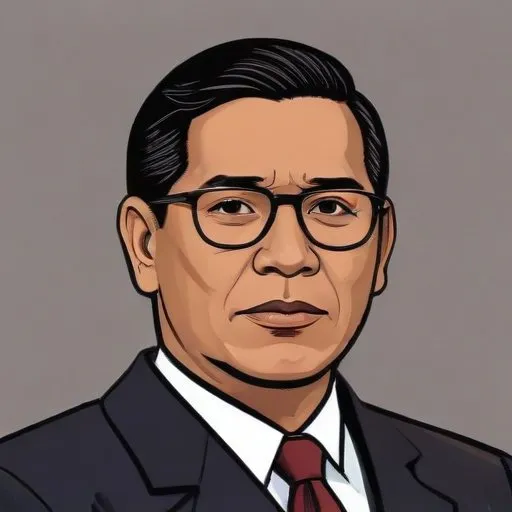
Jovito Salonga: The Unyielding Advocate for Democracy and Human Rights
A Leading Opposition Leader Against the Marcos Regime
Jovito Salonga, also known as Ka Jovy, was a Filipino politician and lawyer who fearlessly opposed the
Ferdinand Marcos regime from 1972 to 1986, playing a pivotal role in the Philippines' fight for democracy and human rights. As a prominent figure in the country's struggle against authoritarianism, Salonga's unwavering dedication to the principles of justice and equality earned him the respect and admiration of the Filipino people.
Early Life and Education
Born on June 22, 1920, in Pasig, Philippines, Salonga grew up in poverty, the youngest of five brothers. His father, Esteban Salonga, was a Presbyterian pastor, and his mother, Bernardita Dinang Reyes, was a market vendor. Despite the financial constraints, Salonga's parents instilled in him the importance of education, which would become the foundation of his future success.
Salonga worked his way through college and law school as a proofreader in his eldest brother's publishing firm. He even spent time shoeshining and selling newspapers in the streets of Pasig to support his family. His hard work paid off, and he graduated from Pasig Elementary School and later from the College of Law at the University of the Philippines in Manila.
World War II Heroism
During World War II, Salonga's bravery and quick thinking earned him recognition as a hero. In 1942, he was captured by the Japanese Military Police and subjected to torture and persecution. Despite the brutal treatment, Salonga continued to resist the Japanese occupation, engaging in anti-Japanese activities and eventually being sentenced to 15 years of hard labor. However, he was pardoned in 1943 and released from prison.
Rise to Prominence
Salonga's experiences during World War II instilled in him a deep commitment to fighting for human rights and democracy. He topped the Philippine Bar Examination in 1944, alongside his future ally, Jose W. Diokno. This achievement marked the beginning of his illustrious career as a lawyer and politician.
In 1961, Salonga was elected to the Philippine House of Representatives, where he served for 12 years. He became a vocal critic of the Marcos regime, speaking out against corruption, human rights abuses, and the erosion of democratic institutions.
Leading the Opposition
When Marcos declared martial law in 1972, Salonga emerged as a leading figure in the opposition. He worked tirelessly to expose the regime's atrocities and mobilize public support for democratic reforms. Despite facing harassment, arrest, and imprisonment, Salonga continued to challenge the Marcos regime, becoming a beacon of hope for the Filipino people.
Presidency of the Senate
In 1987, Salonga was elected as the 14th President of the Senate, a position he held until 1992. During his tenure, he oversaw the passage of several landmark laws, including the 1987 Constitution, which enshrined the principles of democracy and human rights in the Filipino political system.
Lifetime Achievements and Legacy
Throughout his life, Salonga received numerous awards and honors for his unwavering commitment to democracy and human rights. He was confered the Order of Lakandula, the highest civilian award in the Philippines, and was also recognized as a hero of the Philippine Revolution.
Salonga's legacy extends beyond his remarkable achievements as a politician and lawyer. He inspired a generation of Filipinos to fight for their rights and freedoms, and his unwavering dedication to the principles of democracy continues to inspire people around the world.
Personal Milestones and Key Life Events
- June 22, 1920: Born in Pasig, Philippines
- 1944: Topped the Philippine Bar Examination with a record grade point average of 95.3%
- 1961: Elected to the Philippine House of Representatives
- 1972: Became a leading figure in the opposition against the Marcos regime
- 1987: Elected as the 14th President of the Senate
- March 10, 2016: Passed away at the age of 95
Quotes and Memorable Sayings
- "We must always be vigilant in defense of our democratic institutions, for they are the cornerstone of our freedom and our dignity as a people."
- "The struggle for human rights is not just a battle for the oppressed, but a struggle for the very soul of humanity."
Awards and Honors
- Order of Lakandula, the highest civilian award in the Philippines
- Hero of the Philippine Revolution
- Recognized as one of the 100 Most Influential Filipinos in the 20th Century
Historical Context and Legacy
Jovito Salonga's life and legacy serve as a testament to the power of courage, conviction, and dedication to the principles of democracy and human rights. His unwavering commitment to challenging authoritarianism and fighting for the rights of the Filipino people continues to inspire generations of activists, politicians, and scholars around the world.
FAQ
What was Jovito Salongas role in Philippine politics?
Jovito Salonga was a prominent Philippine politician who served as a senator, congressman, and eventually the 14th President of the Senate of the Philippines.
What was Jovito Salongas stance on human rights?
Jovito Salonga was a vocal advocate for human rights and democracy, and played a key role in exposing human rights abuses during the Marcos regime.
What was Jovito Salongas relationship with Corazon Aquino?
Jovito Salonga was a close ally of Corazon Aquino, and served as her Senate President during her presidency, helping to implement reforms and restore democracy to the Philippines.
What were Jovito Salongas contributions to Philippine law?
Jovito Salonga was a respected lawyer and jurist who made significant contributions to Philippine law, including the development of the countrys antitrust laws.
What is Jovito Salongas legacy in Philippine politics?
Jovito Salongas unwavering commitment to democracy, human rights, and the rule of law has made him a hero in the Philippines, and his legacy continues to inspire future generations of politicians and advocates.