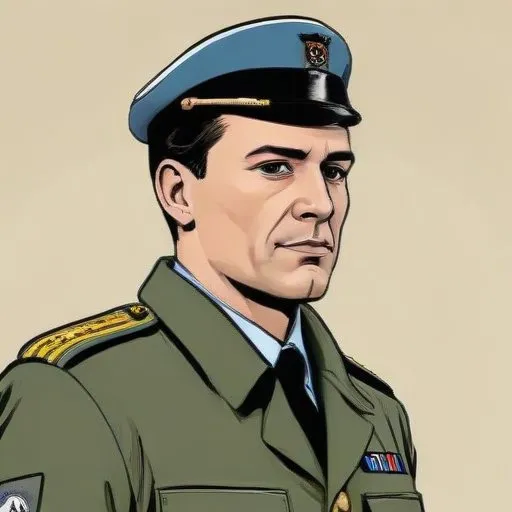
Julien Flix: The Fearless Aviator Who Conquered the Skies
A Record-Breaking Feat
Julien Flix, a pioneering aviator, etched his name in the annals of history by setting the altitude record on August 5, 1911, soaring to an unprecedented 11,330 feet in a staggering 63 minutes. This remarkable achievement not only broke the existing record held by
Georges Legagneux but also cemented Flix's reputation as a fearless and skilled pilot.
Career Highlights and Major Works
Flix's illustrious career was marked by his tenure as the director of manoeuvres at the French Military Aviation School, École militaire de Pau. This esteemed institution was the cradle of French military aviation, and Flix's expertise played a significant role in shaping the country's aerial prowess.
The Tragic Demise of a Pioneer
Tragedy struck on June 17, 1914, when Flix met his untimely demise while testing a 1912 Drzewiecki Canard monoplane built by
Stefan Drzewiecki. This devastating incident occurred in Chartres, France, and sent shockwaves throughout the aviation community.
Legacy and Impact
Flix's remarkable achievements and untimely death left an indelible mark on the world of aviation. His record-breaking feat inspired a generation of pilots, and his contributions to the development of military aviation in France were instrumental in shaping the country's aerial capabilities.
Influence on Modern Society
Flix's pioneering spirit and feats in the skies paved the way for modern air travel and military aviation. His legacy continues to inspire innovators and aviators, and his name remains synonymous with bravery, skill, and a passion for flight.
Personal Milestones and Key Life Events
- March 2, 1869: Julien Flix was born in Limoges, France.
- August 5, 1911: Flix set the altitude record, soaring to 11,330 feet in 63 minutes.
- June 17, 1914: Flix died in a tragic accident while testing a 1912 Drzewiecki Canard monoplane.
Philosophical Contributions and Beliefs
Flix's unwavering commitment to pushing the boundaries of human achievement and his fearlessness in the face of uncertainty epitomize the spirit of innovation and progress. His legacy serves as a testament to the power of human ingenuity and the importance of never settling for the status quo.
Trivia and Fun Facts
- Flix's record-breaking feat was accomplished in a Blériot XI aircraft.
- He was a respected figure in the early days of military aviation in France.
Conclusion
Julien Flix's remarkable life and achievements serve as a beacon of inspiration for generations to come. His fearless pursuit of innovation and his contributions to the world of aviation have left an indelible mark on history. As we reflect on his remarkable journey, we are reminded of the power of human ingenuity and the importance of never giving up on our dreams.
FAQ
What was Julien Félixs role in World War I?
Julien Félix was a French military officer and aviator who played a crucial role in World War I. He served as a pilot and commander in the French Air Force and was instrumental in developing new aerial tactics and strategies.
What were Julien Félixs contributions to aviation?
Julien Félix was a pioneer in aviation, and his contributions to the field were significant. He was one of the first pilots to use aerial reconnaissance and bombing tactics, and his innovations helped to shape the course of modern aviation.
How did Julien Félixs military service influence his life?
Julien Félixs military service had a profound impact on his life, as it shaped his worldview and influenced his future endeavors. His experiences during World War I motivated him to continue serving his country in various capacities.
What were Julien Félixs achievements as a military commander?
Julien Félix was a highly decorated military commander who earned numerous awards and honors for his bravery and leadership. He was a respected leader who inspired loyalty and admiration from his troops.
What is Julien Félixs place in French military history?
Julien Félix is an important figure in French military history, and his contributions to the countrys defense are still recognized today. His legacy serves as a testament to the bravery and sacrifice of French soldiers during World War I.