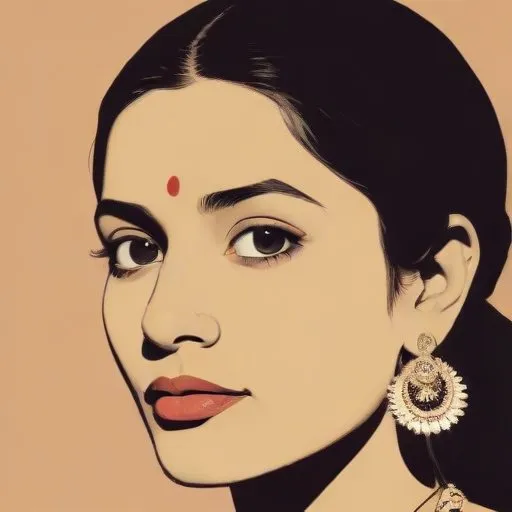
Jyotirmoyee Devi: The Pioneering Bengali Writer
A Champion of Women's Rights and Dalit Empowerment
Jyotirmoyee Devi is renowned for her trailblazing literary contributions, focusing on the struggles of women in Rajasthan and West Bengal during the tumultuous era of Partition. Her works, infused with narratives of women's empowerment and social critique, have left an indelible mark on Indian literature.
BioGRAPHICAL CONTEXT: A Life of Resilience
Born in 1894 in the Princely State of Jaipur, Devi's early life was shaped by the conventions of orthodox Hindu widowhood. Following the untimely demise of her husband at the age of 25, she was forced to return to her parents' house, where she spent much of her time in seclusion. During this period, she discovered solace in her grandfather's library, which kindled her passion for reading and writing.
LITERARY LANDMARKS: Exploring the Human Condition
Devi's literary repertoire comprises a diverse range of works, including short stories, novels, and non-fiction pieces. Her collection of short stories,
Sona Rupa Noy Not Gold and Silver, won the prestigious Rabindra Puraskar in 1973. This critically acclaimed work is a testament to her ability to craft poignant narratives that capture the essence of human struggle and resilience.
A Partition Novel: Epar Ganga, Opar Ganga
Published in 1968,
Epar Ganga, Opar Ganga is a seminal work that explores the tumultuous era of Partition. This novel, translated by Enakshi Chatterjee, offers a nuanced portrayal of the human cost of political upheaval, delving into the lives of individuals forced to navigate the treacherous landscape of divided India.
The Impermanence of Lies and Beyond
In 1999, Devi published
The Impermanence of Lies, a work that further cemented her reputation as a masterful storyteller. This novel, featuring an introduction by Mahasweta Devi, is a powerful exploration of the complexities of human relationships and the fragility of truth. More recently, her work
Behind Latticed Marble Inner Worlds Of Women, translated by Apala G. Egan, has been published in 2023, offering a profound examination of the inner lives of women.
LEGACY: A Beacon of Hope and Empowerment
Through her literary endeavors, Jyotirmoyee Devi has left an indelible mark on Indian literature. Her contributions have not only enriched the cultural landscape but have also inspired generations of writers, activists, and thinkers. Her commitment to exploring the human condition, particularly the struggles of women and Dalits, has created a lasting legacy that continues to resonate with audiences today.
IMPACT ON MODERN SOCIETY: A Testament to Empowerment
Devi's work has had a profound impact on modern society, inspiring a new wave of writers and activists to engage with the pressing issues of gender, caste, and social justice. Her literature serves as a powerful reminder of the importance of human empathy, compassion, and understanding, emphasizing the need for collective action towards a more equitable society.
PERSONAL MILESTONES AND KEY LIFE EVENTS
- 1894: Born in the Princely State of Jaipur
- 1919: Husband's demise at the age of 25
- 1959-1988: Resided in the Shyambazar area
- 1973: Awarded the Rabindra Puraskar for Sona Rupa Noy Not Gold and Silver
- 1988: Passed away, leaving behind a legacy of literary excellence
FINAL THOUGHTS
Jyotirmoyee Devi's remarkable life and literary achievements serve as a testament to the power of human resilience and creativity. Her contributions to Indian literature have enriched our understanding of the human condition, empowering generations to come. As we reflect on her remarkable journey, we are reminded of the enduring importance of empathy, compassion, and social justice.