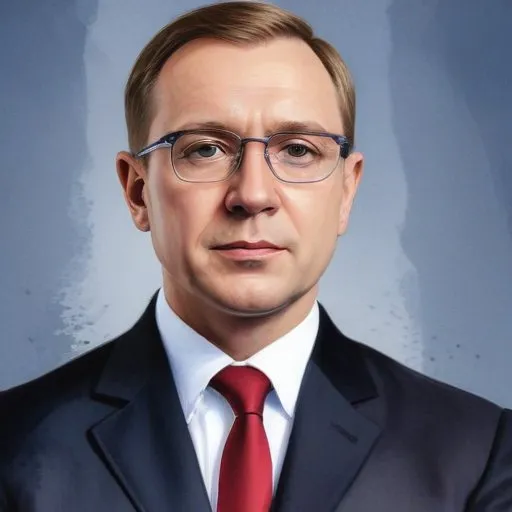
Karl Selter: The Estonian Politician Who Shaped the Course of History
A Minister of Foreign Affairs and a Treaty that Changed Estonia's Fate
Karl Selter, a prominent Estonian politician, is best known for signing a non-aggression and mutual assistance treaty with the Soviet Union in September 1939, an act that would have far-reaching consequences for Estonia's independence. As the Minister of Foreign Affairs of Estonia from 1938 to 1939, Selter's decision would ultimately lead to the country's incorporation into the Soviet Union.
Early Life and Political Career
Born on June 24, 1898, in Koeru, Estonia, Selter entered the world of politics at a young age. He served as the Minister of Economic Affairs from 1933 to 1938, playing a crucial role in shaping Estonia's economic policy.
The Fateful Treaty and Its Consequences
On September 28, 1939, Selter traveled to Moscow to sign the non-aggression and mutual assistance treaty with the Soviet Union. This treaty, however, was not a voluntary agreement, but rather a result of a brutal ultimatum from Soviet Foreign Minister
Vyacheslav Molotov. The treaty granted the Soviet army the right to establish military bases in Estonia, significantly reducing the country's independence. Estonia was formally incorporated into the Soviet Union between June and August 1940.
Exile and Later Life
Following the signing of the treaty, Selter resigned as Foreign Minister and Member of Parliament in November 1939. He moved to Geneva, Switzerland, where he continued to work as a diplomat in exile. After Germany occupied Estonia between 1941 and 1944, and the country was reincorporated into the Soviet Union in 1944, Selter remained in Switzerland, continuing to advocate for Estonia's independence.
Legacy and Impact
Karl Selter's decision to sign the treaty with the Soviet Union has been a topic of controversy and debate among historians and politicians. While some view him as a traitor who surrendered Estonia's independence, others see him as a pragmatist who tried to avoid bloodshed and protect his country from the looming threat of Soviet aggression. Regardless, Selter's legacy serves as a reminder of the complexities of international politics and the delicate balance of power during times of war.
Timeline of Key Events
- June 24, 1898: Born in Koeru, Estonia
- 1933-1938: Served as Minister of Economic Affairs
- 1938-1939: Served as Minister of Foreign Affairs
- September 28, 1939: Signed non-aggression and mutual assistance treaty with the Soviet Union
- November 1939: Resigned as Foreign Minister and Member of Parliament
- 1941-1944: Estonia occupied by Germany
- 1944: Estonia reincorporated into the Soviet Union
- January 31, 1958: Passed away in Geneva, Switzerland
Remembering Karl Selter
Karl Selter's story serves as a testament to the complexities of political decision-making and the unpredictable nature of international relations. As a politician, diplomat, and statesman, Selter's legacy continues to shape Estonia's history and identity.
FAQ
What was Karl Selters role in Estonian politics?
Karl Selter was a prominent Estonian politician who served as the 14th Minister of Foreign Affairs of Estonia, playing a crucial role in shaping Estonias foreign policy and international relations.
What were Karl Selters diplomatic achievements?
During his tenure as Foreign Minister, Selter achieved several diplomatic milestones, including the establishment of diplomatic relations with several countries and the signing of key international agreements.
What was Karl Selters stance on Estonias independence?
Karl Selter was a strong advocate for Estonias independence and sovereignty, working tirelessly to promote Estonias interests on the international stage.
What was Karl Selters role in Estonian education?
In addition to his political career, Selter was also a dedicated educator, serving as a professor at the University of Tartu and playing a key role in shaping Estonias education system.
What is Karl Selters legacy in Estonian history?
Karl Selter is remembered as a pioneering figure in Estonian politics and diplomacy, and his legacy continues to inspire future generations of Estonian leaders and diplomats.