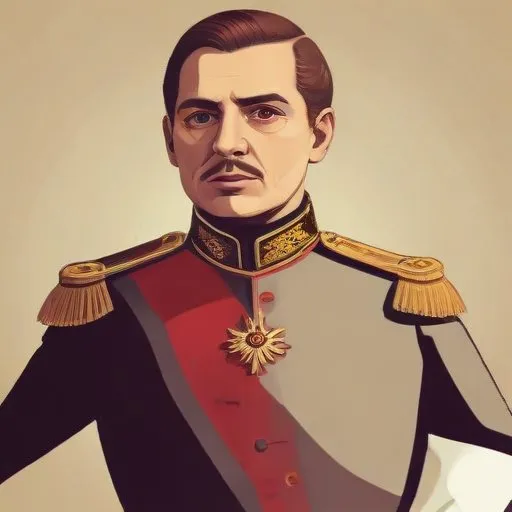
Kaspar, Count Palatine of Zweibrcken: The Duke of Zweibrucken's Turbulent Reign
Early Life and Succession
Kaspar, Count Palatine of Zweibrucken, is primarily known for his brief yet tumultuous tenure as the Duke of Zweibrucken from 1489 to 1490. Born on July 11, 1459, Kaspar was the son of Louis I, Count Palatine of Zweibrucken, and Johanna of Cro.
Marriage and Family
In 1478, Kaspar married Amalie of Brandenburg, daughter of
Albert III Achilles, Elector of Brandenburg. The marriage, however, was short-lived, as Amalie died prematurely, just before her twentieth birthday. The couple had no children, which would later contribute to the uncertainty surrounding Kaspar's succession.
The Struggle for Power
Louis I, eager to prevent the division of his dominions among his sons, stipulated in his will that Kaspar and his brother Alexander should rule jointly after his death. However, this arrangement was short-lived, as Alexander had Kaspar arrested and declared mentally unfit to rule just one year after their father's passing. This move was allegedly motivated by Alexander's desire to consolidate power and rule alone.
Imprisonment and Deposition
Kaspar was subsequently imprisoned in Veldenz Castle, where he remained for the rest of his life. In 1514, his dukedom was formally revoked, marking the end of his turbulent reign. The circumstances surrounding Kaspar's deposition and imprisonment remain shrouded in mystery, with some historians speculating that Alexander's move was prompted by a genuine concern for Kaspar's mental health, while others argue that it was a cynical power grab.
Legacy and Historical Context
Kaspar's legacy is marked by uncertainty and controversy. His brief reign and subsequent imprisonment have led some historians to question the legitimacy of Alexander's rule, while others have viewed Kaspar as an unfortunate victim of circumstance. Regardless, Kaspar's story serves as a poignant reminder of the intricate power struggles that characterized medieval Europe.
Comparative Analysis with Contemporaries
In contrast to his contemporaries, Kaspar's reign was marked by instability and turmoil, whereas many of his peers enjoyed longer and more stable tenures. This disparity highlights the complexities of medieval politics, where the whims of fate and the machinations of those in power could have far-reaching consequences.
Personal Milestones and Key Life Events
- July 11, 1459: Born in Zweibrucken
- 1478: Married Amalie of Brandenburg
- 1489: Became Duke of Zweibrucken
- 1490: Arrested and imprisoned by Alexander
- 1514: Dukedom formally revoked
- c. Summer 1527: Died in Veldenz Castle
Historical Significance
Kaspar's story serves as a microcosm of the complex web of alliances, rivalries, and power struggles that defined the medieval era. His brief yet tumultuous reign highlights the fragility of power and the often-tenuous nature of legitimacy in the face of dynastic politics and familial intrigue.