


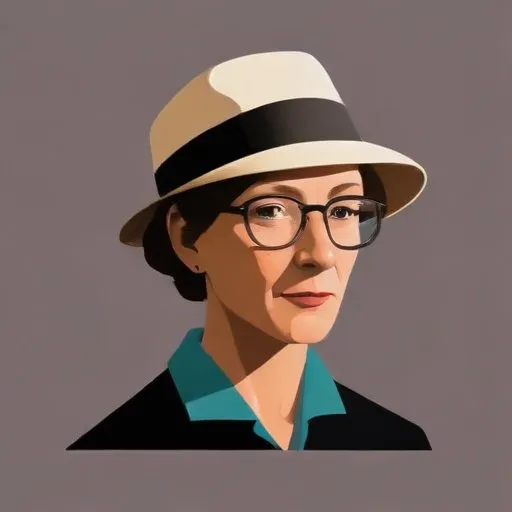
Pioneering excavations in Jericho and Jerusalem uncovered ancient cities, rewriting biblical history. Her meticulous methods transformed archaeological practices.
Kathleen Kenyon, a British archaeologist, is renowned for her groundbreaking excavations in the Fertile Crescent, particularly in Jericho, which redefined our understanding of Neolithic culture. Her meticulous work at Tell es-Sultan, the site of ancient Jericho, from 1952 to 1958, earned her the reputation as one of the most influential archaeologists of the 20th century.
Born on January 5, 1906, in London, England, Kathleen was the eldest daughter of Sir Frederic Kenyon, a biblical scholar and director of the British Museum. Growing up in a household surrounded by academia, Kathleen was encouraged by her father to pursue a path of independent study and wide reading. She developed a strong passion for history and excelled in her studies, ultimately winning an Exhibition to read history at Somerville College, Oxford.
Kathleen's academic prowess earned her a Blue for her college in hockey and the position of the first female president of the Oxford University Archaeological Society. After graduating in 1929, she began her career in archaeology, working on several significant sites across Europe. Her excavations in Jericho, however, remain her most notable achievement, revolutionizing the field of archaeology and cementing her status as a leading expert.
Kathleen's work at Jericho was marked by her innovative approach to excavation, which involved meticulous stratigraphic analysis and the use of ceramic typology. Her discoveries at Jericho pushed back the known date of the city's origins, revealing a rich cultural heritage dating back to the Neolithic period. Her findings challenged prevailing theories and established Jericho as a crucial site for understanding the development of human civilization.
Kathleen's contributions to archaeology were recognized through various awards and honors. She was appointed Dame Commander of the Order of the British Empire in 1973, and her name is commemorated in the Kathleen Kenyon Fellowship, which supports archaeological research in the Near East.
Kathleen Kenyon's work has had a profound impact on our understanding of the ancient Near East. Her discoveries have influenced generations of archaeologists, historians, and scholars. Her legacy extends beyond the academic sphere, inspiring a deeper appreciation for the cultural heritage of the region and promoting a greater understanding of human history.
Born into a family of scholars, Kathleen was known for her tomboyish nature, enjoying outdoor activities like fishing and climbing trees. Her strong determination and stubbornness, as she herself admitted, contributed to her success in a male-dominated field. Despite her many accomplishments, Kathleen remained humble and dedicated to her craft, leaving behind a rich legacy that continues to inspire and educate.
Born in 1868
Pioneering archaeologist and spy who mapped and excavated ancient Mesopotamian sites, shaping Middle Eastern politics and cultural understanding.
Born in 1853
Pioneering excavations in Egypt uncovered ancient secrets, and innovative methods established modern archaeology standards.
Born in 1888
A British colonel who led a rebellion in Arabia during WWI, and later wrote about his experiences in "Seven Pillars of Wisdom", a classic of military literature and adventure.
Born in 1890
Renowned author of mystery novels and plays, crafting intricate plots and iconic detectives, such as Hercule Poirot and Miss Marple.
Born in 1892
Pioneering excavations in the Middle East and Europe uncovered crucial evidence of early human migrations and cultural developments, shedding light on our ancient ancestors' lives.
